skip to main content
 How to Choose Office Furniture for Small Spaces
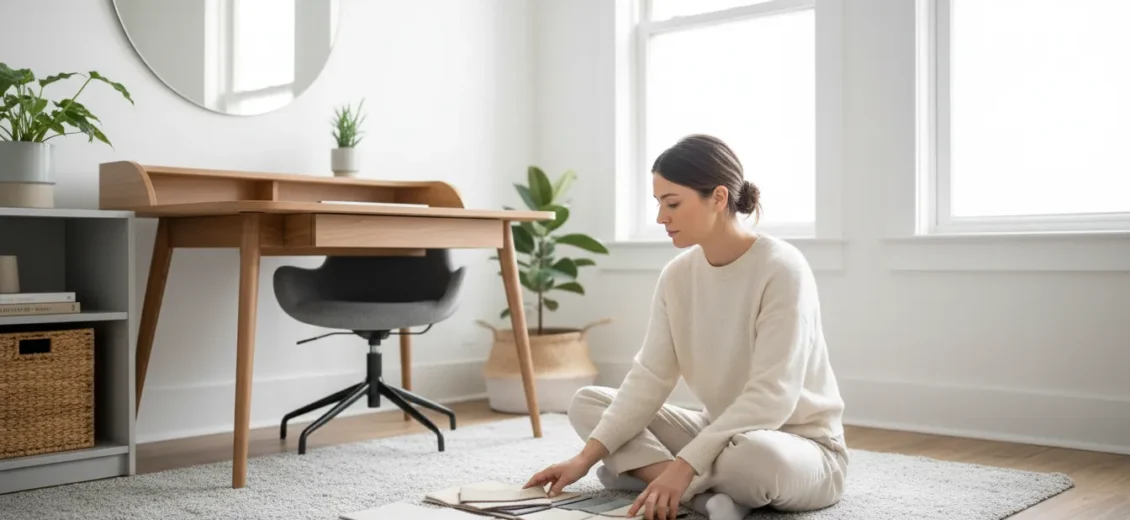
Table of Contents
- Introduction
- Understanding Scale and Proportion in Compact Offices
- Multi-Functionality: The Key to Spatial Efficiency
- Leveraging Vertical Space
- Materiality and Visual Weight
- The Operational Reality of Outfitting a Small Office
- How Shared Amenities Expand Your Small Office Footprint
- Practical Scenarios: Finding the Right Fit
- Member Connection and the Business Development Layer
- Differentiating Your Space with Logo Placement
- The Flexibility of Choice: Membership Types
- Maintenance and Long-Term Value
- The Importance of Professional Lighting
- Creating “Zones” in a Single Room
- The Workbox Approach: Workspace with a Purpose
- Conclusion
- FAQ
Introduction
Have you ever walked into a workspace and felt an immediate sense of “spatial Tetris”—where every chair leg and storage bin feels like a hurdle to clear just to reach your desk? For many founders and small teams, the challenge of outfitting a compact office isn’t just a matter of aesthetics; it is a critical operational hurdle. When square footage is at a premium, a single poorly chosen bookshelf or an oversized desk can compromise the entire flow of your workday.
The goal of this article is to provide a comprehensive roadmap for selecting office furniture that maximizes utility without sacrificing the professional environment your business requires. We will explore the principles of scale, the necessity of multi-functional pieces, and the strategic use of vertical space. Furthermore, we will examine how the right workspace strategy—such as transitioning into a pre-furnished, professionally managed office—can eliminate the administrative and financial burdens of furniture procurement entirely. At Workbox, we believe that your workspace should be a catalyst for growth, not a source of logistical stress. Choosing the right furniture for small spaces is about more than just fitting pieces into a room; it is about building a foundation for “Member Success” through thoughtful design and operational support.
Understanding Scale and Proportion in Compact Offices
The most common mistake made when furnishing a small office is ignoring the visual and physical scale of the furniture. In a traditional large-scale office, heavy mahogany desks and wide-set guest chairs provide a sense of gravitas. In a small space, however, those same pieces feel oppressive and shrink the room further.
Prioritize Leggy and Low-Profile Designs
When selecting desks and seating, look for furniture with “thin” silhouettes. Desks with slender metal legs rather than solid wooden side panels allow light to pass through and under the furniture. This creates a sense of openness and prevents the floor from feeling cluttered. A “leggy” desk makes a six-by-six-foot area feel significantly larger because the eye can track the floor line all the way to the wall.
The Dangers of “Over-Furnishing”
It is tempting to try and replicate every zone of a traditional office within twenty square feet. You might think you need a dedicated desk, a separate filing cabinet, and a two-person sofa for guests. In a small space, this approach leads to “furniture creep.” Instead, focus on the primary task of that specific space. If the room is for deep work, prioritize a high-quality desk and chair. If the room is for collaborative meetings, perhaps a central table with stackable seating is the smarter choice.
Multi-Functionality: The Key to Spatial Efficiency
In a small office, every piece of furniture must earn its keep, often by performing more than one job. This is a core tenent of efficient workplace strategy.
Desks with Integrated Storage
Rather than buying a desk and a separate pedestal or filing cabinet, look for solutions that integrate storage into the frame. However, be cautious of bulky hutches that sit on top of the desk, as these can block sightlines and make a room feel “top-heavy.” Modern designs often feature slim drawers or side-car shelves that keep essentials within reach without expanding the footprint of the workstation.
Mobile and Modular Pieces
Mobility is the friend of the small office. Furniture on high-quality casters allows you to reconfigure your space in seconds. For a small team, this might mean moving two individual desks together for a collaborative session and then rolling them apart for focused work. Modular furniture—pieces that can be combined or separated based on headcount—provides the flexibility that growing companies need.
Leveraging Vertical Space
When you run out of floor space, the only way to go is up. Verticality is often the most underutilized dimension in small office design.
Wall-Mounted Shelving
Traditional bookcases take up valuable floor area. Wall-mounted shelving, on the other hand, keeps the floor clear while providing ample room for reference materials, branding elements, or supplies. Position shelving high enough to clear your head when standing, but low enough to remain accessible.
Strategic Use of Wall Space for Collaboration
Instead of a bulky whiteboard on a stand, consider wall-mounted glass boards or even dry-erase paint. This provides a massive surface area for brainstorming and planning without occupying a single square inch of the floor. This type of “invisible” furniture is essential for maintaining a clean, professional aesthetic while supporting the creative needs of a small team.
Materiality and Visual Weight
The materials you choose for your office furniture significantly impact how “heavy” the room feels.
- Glass and Acrylic: Transparent materials are excellent for small spaces because they lack visual weight. A glass-topped desk or acrylic chairs can provide the necessary surface area for work while essentially “disappearing” into the room.
- Mesh Back Chairs: When selecting seating, mesh provides a lighter look than solid leather or heavy fabric. Beyond the aesthetic benefit, mesh promotes airflow and comfort during long work sessions.
- Reflective Surfaces: While you don’t want a room full of mirrors, furniture with polished metal or high-gloss finishes can help bounce light around a small space, making it feel brighter and more energized.
The Operational Reality of Outfitting a Small Office
While choosing the right furniture is a creative exercise, it is also an operational one. For many founders, the time spent researching, ordering, assembling, and maintaining office furniture is time taken away from their core business objectives.
The Burden of Procurement
Setting up a small office involves more than just a trip to a furniture store. There is the logistics of delivery, the frustration of assembly, and the long-term commitment of owning assets that might be obsolete as your team grows. In a traditional office model, you are often locked into these decisions for the duration of a long lease.
Bundled Workplace Essentials
This is where the flexible workspace model provides a distinct advantage. At Workbox, our Private Offices and Suites come pre-furnished with desks and chairs. We handle the operational backbone—everything from the initial layout to the long-term maintenance of the furniture. This allows you to walk into a professional, high-functioning environment on day one, avoiding the “furniture fatigue” that plagues many small businesses.
How Shared Amenities Expand Your Small Office Footprint
One of the most effective ways to manage a small office is to recognize that you don’t need to fit everything inside your private four walls. When you choose a workspace at Workbox, your small office is augmented by a vast array of shared amenities that act as an extension of your footprint.
Phone Booths and Privacy
If you are in a small office with one or two team members, taking a private call or a video conference can be disruptive. Instead of trying to squeeze a privacy screen or a secondary “seating area” into your office, you can step out into one of our dedicated phone booths. These spaces are designed for privacy and allow you to keep your primary office focused on collective work or deep tasks.
Meeting Rooms and Professional Impressions
You shouldn’t have to choose between a large desk and a table for client meetings. By leveraging professional conference rooms available at Workbox, you can keep your small office streamlined for your daily routine while still having access to professional, high-tech spaces for presentations and board meetings. Our meeting rooms start at $60/hr and provide a level of professional polish that is difficult to achieve in a cramped, DIY office setting.
Wellness and Break Areas
A small office often lacks the space for a “recharge” zone. Workbox locations include wellness rooms and community areas where you can step away from your screen. Having these spaces available outside your office door means you don’t have to sacrifice your own square footage for a break area or a coffee station. We provide filtered water, complimentary coffee and tea, and even draft or bottled beer at select locations, all managed by our dedicated community managers.
Practical Scenarios: Finding the Right Fit
To illustrate how these furniture and space decisions play out in the real world, let’s look at two common scenarios for professionals choosing their work environment.
Scenario 1: The Boutique Consultant
Imagine a consultant who spends 60% of their time on deep-dive analysis and 40% in client-facing meetings. If they were to rent a small traditional office, they would struggle to fit both a functional workstation and a professional seating area for guests. They might end up with a cramped office that feels cluttered and uninviting to clients.
By choosing a Workbox membership, this consultant can use a private office designed for their deep work—complete with a furnished desk and chair and even their company logo on the door. When it’s time for a client meeting, they simply book a professional conference room through our platform. This approach creates a predictable weekly rhythm and ensures they always have the “right-sized” space for the task at hand.
Scenario 2: The Growing Tech Team
A three-person startup transitioning out of a home garage or a coffee shop needs more than just desks; they need a home base that supports their brand and their operations. If they choose to furnish their own small space, they face upfront costs and the administrative burden of coordinating internet, cleaning, and supplies.
In a Workbox Private Office, that team gets a furnished, move-in-ready space starting at $500/mo (pricing varies by location). They avoid the distraction of office administration and can immediately tap into our Business Development layer. Instead of worrying about whether a new filing cabinet will fit in the corner, they can focus on our quarterly mixers and networking events to find their next investor or partner.
Member Connection and the Business Development Layer
At Workbox, we often say that “Success Takes More” than just a desk and a chair. While the physical furniture is important, the “Success Takes More” philosophy highlights that professional growth requires Member Connection and Operational Support.
High-Quality Member-to-Member Interactions
When you are in a small office, it is easy to become isolated. Our spaces are designed to facilitate network building. Through weekly community-based engagements and quarterly mixers, members in small offices can connect with other leaders, innovators, and investors. You aren’t just choosing furniture; you are choosing to place your business in an environment where introductions and collaborations happen organically.
Operational Support and Reduced Overhead
Choosing furniture is just the tip of the iceberg when it comes to office overhead. Traditional offices require you to coordinate janitorial services, internet setup, printing supplies, and more. Workbox provides a seamless operational backbone. We handle the professional cleaning services, provide fast and secure Wi-Fi and Ethernet, and offer unlimited printing. For members with a Floating Membership or higher, we also provide mailing and packaging services (details vary by location). This reduces the administrative burden of running an office, allowing you to dedicate your energy to your business.
Differentiating Your Space with Logo Placement
A significant part of making a small office feel “yours” is branding. At Workbox, we include company logo placement on the office door at no additional cost for our private office members. This small detail provides a sense of permanent residency and professional legitimacy that furniture alone cannot achieve. It transforms a “small space” into a “corporate headquarters”—a distinction that nearly two-thirds of our member companies have embraced.
The Flexibility of Choice: Membership Types
Depending on your needs, the “furniture” you choose might not even be in a private office.
- Desk Memberships: Starting at $350/mo, these provide a dedicated home base within a shared environment. You get the benefit of a professional desk without the responsibility of maintaining an entire room.
- Floating Memberships: Starting at $250/mo, these are perfect for those who value agility. You have access to various seating options throughout the common areas, allowing you to choose the environment that fits your mood or task.
- Day Passes: For $35/day, anyone can access our professionally managed spaces during staffed hours (8:30 am – 5:00 pm, Mon-Fri).
Members with private offices, suites, or dedicated desks enjoy 24/7 access to their home-base location and can access any other Workbox location nationwide during staffed hours. This national connectivity is a powerful tool for professionals who travel or have distributed teams.
Maintenance and Long-Term Value
One often overlooked aspect of choosing office furniture is its durability and the cost of replacement. High-traffic office environments can be tough on furniture. When you own your furniture, a broken chair or a stained desk is your problem to solve.
In the Workbox model, the high-quality furniture provided is maintained as part of your membership. This is part of the operational value of a bundled workplace environment. We lower the upfront commitment compared with a conventional office model—often moving from a multi-year lease requirement to a much more flexible arrangement—while simultaneously providing a higher standard of physical assets.
The Importance of Professional Lighting
No matter how well you choose your furniture, a small office will feel cramped if the lighting is poor.
- Natural Light: Always prioritize desks near windows. If you are in an interior office, keep the door open to the common areas during the day to let in natural light.
- Task Lighting: Small, adjustable desk lamps provide focused light where you need it without requiring bulky floor lamps that take up space.
- Color Temperature: Use “cool” light for areas where you need to focus and “warm” light for areas where you might host a casual chat.
Creating “Zones” in a Single Room
Even in a very small office, you can create the illusion of more space by “zoning” the room. This doesn’t require physical walls.
- The Rug Trick: A small area rug under a desk can define the “work zone,” while a different floor texture or a clear space can define the “entry zone” or “storage zone.”
- Visual Dividers: Use open-back shelving as a divider. It provides storage and separates the room without blocking light or sightlines.
- Color Blocking: Painting one wall a different color or using a specific color of furniture in one corner can mentally separate that area from the rest of the room.
The Workbox Approach: Workspace with a Purpose
At Workbox, we don’t just provide a place to sit. We provide a platform for professionals to connect, collaborate, and grow. Our approach is “Workspace with a Purpose,” centered on Member Success. Whether you are looking for a private suite for a team of twenty or a floating membership for a solo venture, we provide the resources and community connectivity to help you thrive.
We offer access to a virtual platform and business-development resources, along with purposeful programming that supports greater professional connection. Our powerful network of innovators and leaders is supplemented by vendor discounts and cloud credits, helping you stretch your budget further.
Conclusion
Choosing office furniture for small spaces requires a blend of tactical design and strategic thinking. By prioritizing scale, multi-functionality, and verticality, you can create a workspace that feels spacious and professional. However, for many leaders, the most efficient choice is to move beyond the DIY approach of outfitting an office and instead embrace the bundled, operationally supported environment of a flexible workspace.
At Workbox, we take the burden of furniture procurement and office administration off your plate, allowing you to focus on what truly matters: your company’s success. From our pre-furnished private offices to our vibrant community events and business-development resources, we provide everything you need to operate smoothly from day one.
If you are ready to move into a workspace that supports your growth without the clutter, we invite you to explore our locations across the country. Experience a destination built for leaders, innovators, and investors who understand that success takes more.
Ready to find your next workspace? View our locations and schedule a tour today to see how Workbox can support your Member Success journey.
FAQ
How do I make a small office feel less cluttered?
To reduce clutter in a small office, prioritize furniture with a thin visual profile (such as desks with metal legs) and utilize vertical space for storage. Integrated storage in desks and the use of mobile pieces on casters also help maintain a clean environment. Additionally, leveraging shared common areas—like those at Workbox—allows you to keep non-essential items and activities out of your private workspace.
What is the benefit of a pre-furnished office?
A pre-furnished office, like those offered at Workbox, eliminates the upfront cost and administrative burden of purchasing, shipping, and assembling furniture. It ensures your workspace is professionally designed for productivity from day one and includes ongoing maintenance. This allows you to focus on your business while we handle the operational backbone of the office. See our workspace membership options for details.
Can I still brand my space if it’s a small office in a coworking environment?
Yes. At Workbox, we believe branding is essential for professional identity. We include company logo placement on the office door at no additional cost for our private office members. This helps your small office feel like a dedicated corporate headquarters while still providing access to a broader community and shared amenities.
What should I look for in a desk for a small office?
In a small office, look for a desk that balances surface area with a compact footprint. Avoid heavy, solid-base desks that block light. Instead, opt for desks with slim frames and potentially integrated storage. Consider how the desk interacts with other elements; for example, a desk that can be easily moved or combined with others offers the flexibility needed for a growing team.