skip to main content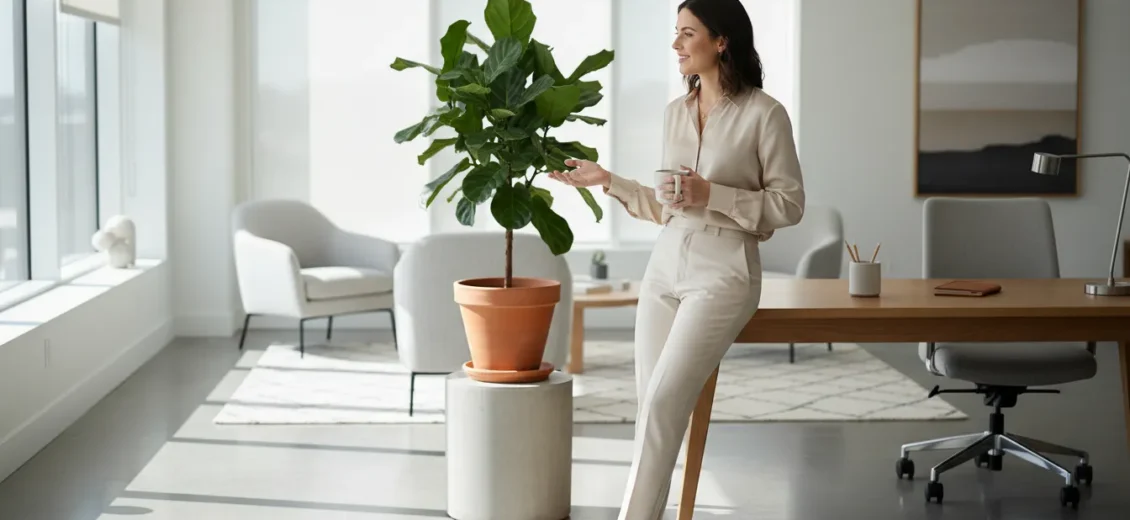
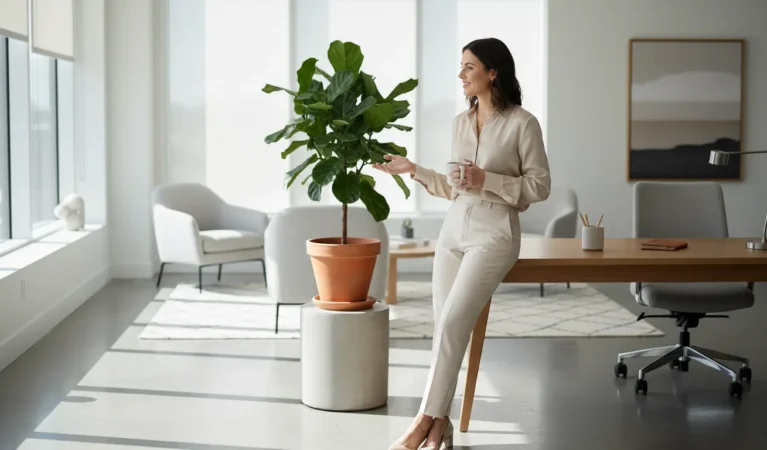
Table of Contents
- Introduction
- Defining Your Workspace Purpose
- The Foundation of Professional Identity
- Strategic Layout: Balancing Collaboration and Focus
- The Power of Biophilic Design
- Operational Support: The Workbox Advantage
- Enhancing Member Connection through Design
- Functional Decor and Practical Essentials
- Practical Scenarios: Design in Action
- The Financial Logic of Flex Design
- Creating a Culture of Productivity
- A Destination for Innovators
- Conclusion
- FAQ
Introduction
Does your office environment inspire your team to do their best work, or is it simply a collection of desks and chairs under fluorescent lights? For many founders and leaders, the physical workspace is often viewed as a secondary concern, an operational necessity rather than a strategic asset. However, the way you decorate and organize your corporate office space is one of the most powerful tools at your disposal for defining company culture, improving professional focus, and facilitating the high-quality interactions that drive business growth.
In this article, we will explore the strategic art of office decoration, moving beyond mere aesthetics to focus on “Workspace with a Purpose.” We will cover how to align your design with your brand identity, the importance of functional layout, and how a bundled workplace environment like Workbox workspace memberships & pricing can simplify the entire process. By the end of this guide, you will understand how to transform a standard office into a dynamic corporate headquarters that supports Member Success through better connectivity and operational ease. Decorating your corporate office is not just about choosing colors; it is about building a foundation for your team’s long-term professional achievement.
Defining Your Workspace Purpose
Before a single piece of art is hung or a rug is laid, you must define what you want your office to achieve. At Workbox, we believe every design choice should center on the concept of Member Success. This means looking at your office as more than just a place to sit; it is a platform for connection, collaboration, and growth.
For a growing team, the purpose of the office might be to establish a sense of permanence and professional authority. For a venture-backed startup, the design might need to reflect innovation and readiness for investor meetings. When you view decoration through this lens, the “why” behind your design choices becomes much clearer. Are you decorating to foster deep focus, or are you decorating to encourage spontaneous member-to-member interactions? Understanding these goals is the first step in creating a space that actually works for your business.
The Foundation of Professional Identity
When nearly two-thirds of our member companies choose Workbox as their corporate headquarters, it is because they understand the value of a professional presence. Decorating your corporate office space starts with establishing that identity.
Logo Placement and Brand Visibility
One of the most effective ways to make a space feel like your own is through clear branding. At Workbox, we include company logo placement on the office door at no additional cost for our private office and suite members. This small but significant detail immediately signals to employees and visiting clients that they are entering a dedicated professional environment.
Beyond the door, consider how your brand colors can be subtly integrated into the interior. You don’t need to paint every wall your primary brand color. Instead, use accent pieces—such as throw pillows, desk organizers, or framed mission statements—that reflect your corporate identity without overwhelming the senses.
Curating a Leader’s Environment
If your office is a destination for leaders and investors, the decor should reflect that level of sophistication. This means choosing quality over quantity. A few well-placed, high-quality pieces of art or a professional bookshelf can do more for your brand than a room full of generic office supplies. The goal is to create a space that feels curated and intentional, reinforcing your position as an innovator in your field.
Strategic Layout: Balancing Collaboration and Focus
The layout of your office is perhaps the most critical component of its “decoration.” A well-designed space guides behavior and helps teams manage their energy throughout the day.
Zoning for Different Work Modes
Modern work requires a variety of environments. Even within a private suite, you can create “zones” that support different tasks.
- The Collaboration Zone: Centered around a shared table or a comfortable seating area, this zone should be decorated with whiteboards or pinboards to encourage brainstorming and quick huddles.
- The Focus Zone: This area should be kept clean and clutter-free. Minimalist decor here helps reduce cognitive load, allowing for deep work.
- The Social Zone: Even in a small office, having a corner with a coffee station or a small lounge chair can provide a necessary mental break.
Utilizing Phone Booths and Meeting Rooms
One common challenge for teams in traditional offices is the constant battle for privacy during calls or the need for professional meeting space. In a Workbox environment, your “office” extends beyond your four walls. Members have access to private phone booths for confidential calls and professional meeting rooms for client presentations or team strategy sessions. Knowing these resources are available allows you to keep your primary office space more open and less cluttered with bulky furniture.
The Power of Biophilic Design
Biophilic design—the practice of incorporating natural elements into the workspace—is more than just a trend. It is a scientifically backed method to improve focus and reduce stress.
Plants and Natural Light
Natural light is one of the most sought-after features in any office. When decorating, ensure that you aren’t blocking windows with tall cabinets or heavy drapes. Use mirrors to reflect light into darker corners of the room.
Adding greenery is another simple yet effective way to decorate. Plants like snake plants, pothos, or succulents are low-maintenance and can significantly improve the air quality and “feel” of your office. For a corporate headquarters, large floor plants can act as natural room dividers, creating a sense of privacy without the need for harsh walls.
Natural Materials and Textures
Consider the materials you bring into the space. Wood, stone, and natural fabrics like wool or linen add warmth and texture to an otherwise sterile corporate environment. These elements make the office feel more inviting, which is crucial for building a community where people actually want to spend their time.
Operational Support: The Workbox Advantage
One of the biggest hurdles in decorating a traditional corporate office is the administrative burden. From sourcing furniture and coordinating deliveries to setting up utilities and cleaning services, the logistics can be overwhelming for a founder or a small operations team.
Workbox provides a seamless operational backbone that reduces this administrative burden from day one. Our Private Offices and Suites come furnished with desks and chairs, allowing you to focus your decorating efforts on the “fun” part—the personal touches and brand identity—rather than the basic infrastructure.
Avoiding Traditional Office Burdens
When you choose a flexible workspace, you avoid the complexities of lease negotiations that can last months or the need to hire independent contractors for janitorial services or internet setup. We handle the fast, secure Wi-Fi, the professional cleaning services, and even the mailing and packaging services (available to members with a Floating Membership or higher). This bundled approach means your “decorating” budget and time can be spent on high-impact items that actually contribute to Member Success, rather than on the “invisible” costs of running an office.
Enhancing Member Connection through Design
A corporate office should not be an island. At Workbox, our spaces are designed to facilitate network building and high-quality member-to-member interactions. Your personal office decor should reflect this openness.
Designing for Introductions
Consider how your office looks to someone walking by. Does it look like a closed-off bunker, or an inviting hub of innovation? While privacy is important—and our private offices provide total acoustic and visual privacy when needed—maintaining a professional and welcoming exterior encourages the kind of spontaneous networking that happens during our community-based engagements and mixers.
Using Community Spaces as an Extension of Your Office
Part of decorating your “office” is recognizing that your workspace includes the entire Workbox floor. The common areas, kitchens, and lounges are designed with a sophisticated, professional aesthetic that you can treat as an extension of your brand. When you host a client, you aren’t just showing them your desk; you are showing them a high-energy ecosystem of leaders and investors. This community connectivity is a major differentiator that a standalone traditional office simply cannot replicate.
Functional Decor and Practical Essentials
Every item in your office should earn its place. Functional decor combines aesthetics with utility, ensuring your space remains organized and productive.
Storage Solutions that Look Good
Clutter is the enemy of productivity. Invest in high-quality storage solutions that hide away paper piles and cables. Cable management is a small detail that makes a massive difference in the professional appearance of your office. Use cord organizers and under-desk trays to keep your workspace looking sharp.
Lighting for Mood and Task
Standard overhead lighting is often too harsh for long-term work. Supplement this with task lighting, such as stylish desk lamps, which allow team members to control their immediate environment. Warm-toned floor lamps in a corner can create a more relaxed atmosphere for informal chats or reading.
Wellness and Inclusivity
A wellness room is an essential part of a modern, inclusive office. While Workbox provides these amenities within our locations, you can bring the spirit of wellness into your private office by ensuring there is adequate space to move, stretch, or simply take a breath away from the computer screen.
Practical Scenarios: Design in Action
To understand how these principles apply in the real world, consider these common scenarios for our members.
Scenario 1: The Transitioning Startup
For a small team transitioning out of coffee shops or a home basement, a private office at Workbox gives them consistency and a home base. Their decoration strategy might focus on “legitimizing” the business. By adding their logo to the door and setting up a dedicated wall for their product roadmap, they create a sense of permanence. They rely on the provided desks and chairs to save capital, while using their “Business Development” resources to access vendor discounts for supplemental tech or specialized decor. This allows them to scale without the upfront commitment of a 7-year traditional lease.
Scenario 2: The Established Consultant
For a consultant who spends half their time in client meetings and the other half in deep work, decoration is about “Professional Presence.” They might choose a minimalist aesthetic in their private office to stay focused, but they rely heavily on the professional meeting rooms for their high-stakes presentations. Their office decor includes a high-end coffee maker and a few choice books that reflect their expertise, signaling to any visiting client that they are a leader in their field.
The Financial Logic of Flex Design
While this article is about decoration, we cannot ignore the operational value of the flexible model. In a traditional office, the cost of “decorating” often includes massive upfront outlays for things like internet hardware, kitchen appliances, and reception furniture.
In the Workbox model, these elements are part of the bundled environment of membership benefits. This lowers your upfront commitment significantly. Instead of worrying about the cost of a printer or a refrigerator, you can invest those funds into specialized equipment for your specific industry or better programming for your team. This focus on “Operational Support” means you are paying for a workspace that works for you, not the other way around.
Creating a Culture of Productivity
Finally, the way you decorate your office should foster a culture of productivity and respect. This includes being mindful of the “sensory” environment.
Managing Sound and Privacy
While we don’t have “quiet zones,” we do provide phone booths and private offices that allow for a quieter environment in a private space when needed. When decorating your suite, consider adding soft surfaces like rugs or acoustic wall panels. These items double as decor while helping to dampen sound, making the office more comfortable for everyone.
Personalization within Professionalism
We encourage members to make their spaces their own. Whether it’s photos of the team’s recent outing or a collection of industry awards, these personal touches build a sense of belonging. However, always aim to balance this with a level of professionalism that reflects the “Success Takes More” philosophy. A well-decorated office is one where a team member feels at home and a client feels impressed.
A Destination for Innovators
Your office should be a place where people want to be. By utilizing the purposeful programming and access to partnership events across the country that Workbox provides, you can align your office’s physical presence with your professional trajectory.
When you host a guest, they aren’t just seeing a decorated room; they are seeing a company integrated into a powerful network of other innovators and leaders. This connectivity is enhanced by the physical environment—the complimentary coffee and tea, the filtered water, and even the draft beer available at select locations. These amenities, combined with your thoughtful decoration, create a superior workplace experience.
Conclusion
Decorating your corporate office space is a strategic investment in your company’s future. It is about creating a “Workspace with a Purpose” that reflects your brand, supports your team’s focus, and facilitates the connections necessary for growth. By focusing on professional identity, biophilic design, and functional layout, you can transform a simple office into a true corporate headquarters.
At Workbox, we take pride in offering more than just four walls. We provide a platform for Member Success, combining a seamless operational backbone with a vibrant professional community. Our flexible memberships—ranging from Floating Memberships to Private Suites—allow you to find the perfect fit for your team’s needs without the administrative burdens or long-term commitments of traditional real estate.
Whether you are looking for a desk membership to get your business off the ground or a full-floor suite for your established corporate HQ, Workbox is here to support your journey. We invite you to experience the Workbox difference for yourself.
Ready to elevate your professional presence? Explore our locations. View our workspace options. Or reach out to our team today to book a tour to find the perfect home for your business.
FAQ
How can I make my private office at Workbox feel like a corporate headquarters?
At Workbox, we help you establish a professional identity by including your company logo on the office door at no extra cost. To further enhance this, focus on consistent branding within your suite, utilize high-quality functional decor, and take advantage of our professional meeting rooms for client-facing activities. This creates a cohesive, high-level presence that signals your company’s stability and growth.
What are the best ways to decorate a small office to improve productivity?
Focus on a “clutter-free” philosophy by using smart storage and cable management. Incorporate biophilic elements like small plants and maximize natural light. Additionally, take advantage of the zones within the Workbox ecosystem; use your private office for focus and brand identity, and utilize our common areas and phone booths for social interaction and confidential calls, which helps keep your primary workspace from feeling overcrowded.
Does Workbox provide the furniture for my office?
Yes, our Private Offices and Suites come furnished with desks and chairs. This is a key part of our “Operational Support,” as it reduces the administrative burden and upfront costs of setting up a new office. You are then free to personalize the space with your own rugs, art, and additional branding elements to make the space truly yours.
How does a flexible workspace save money on office decoration compared to a traditional lease?
In a traditional office, you are often responsible for everything from reception furniture and kitchen appliances to internet hardware and window treatments. Workbox offers a bundled environment where these essentials—including high-speed Wi-Fi, coffee/tea stations, and professional cleaning—are already provided. This lower upfront commitment allows you to allocate your budget toward high-impact decor and business-growth initiatives rather than basic infrastructure.