skip to main content
 How to Sanitize Office Space for Peak Performance
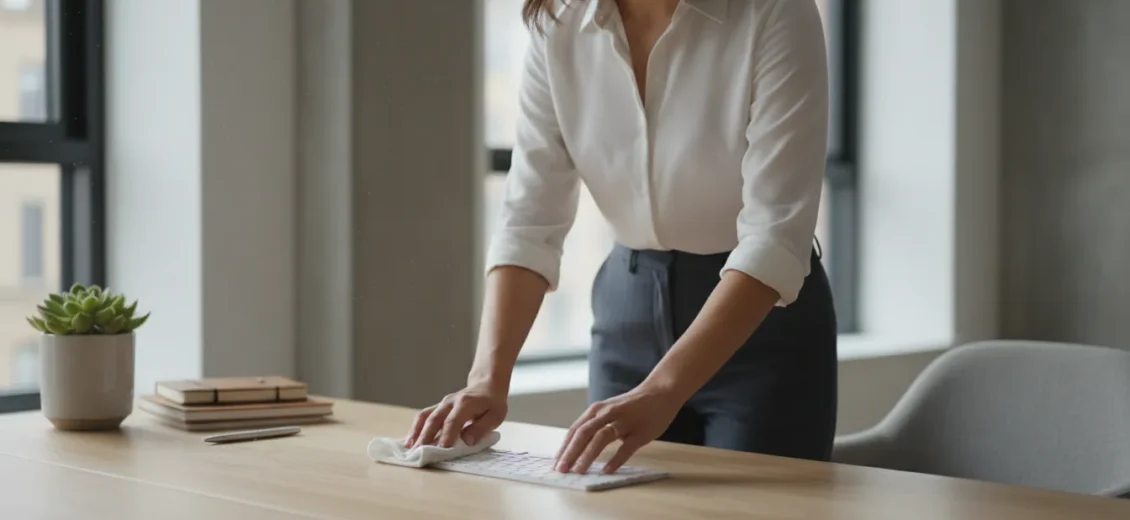
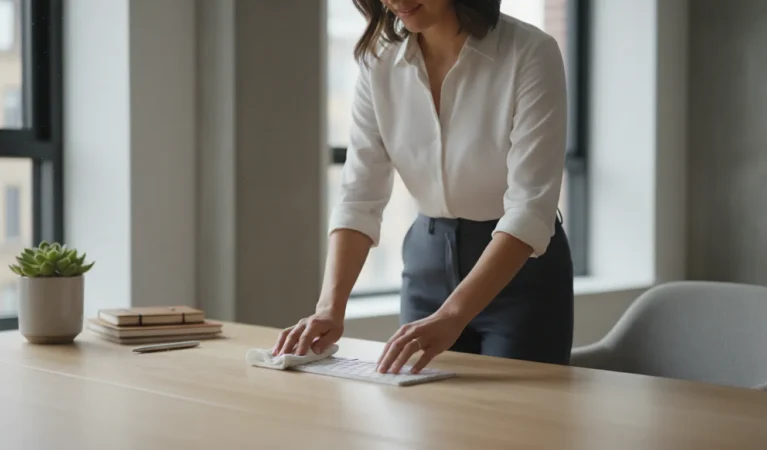
Table of Contents
- Introduction
- Defining the Standards: Cleaning, Sanitizing, and Disinfecting
- The Strategy for How to Sanitize Office Space
- Focus Areas: Personal and Shared Workstations
- Managing Shared Amenities and Communal Spaces
- The Operational Support Factor: Why DIY is a Growth Deterrent
- Member Success and the Healthy Workspace
- Practical Scenarios: Cleanliness in Action
- Building a Culture of Office Wellness
- Navigating the Transition to a Managed Workspace
- Conclusion: The Path to a Cleaner, More Productive Future
- FAQ
Introduction
Have you ever walked into your workspace on a Monday morning only to be greeted by a lingering scent of last week’s lunch or a thin layer of dust on your keyboard? It is more than just a minor annoyance; the physical state of your environment directly influences your mental clarity and professional momentum. For many founders and high-growth teams, the office is the engine room of innovation, yet the maintenance of that engine is often overlooked until someone gets sick or a client visit feels slightly less than professional. Understanding how to sanitize office space effectively is not just about hygiene—it is about protecting your most valuable asset: your people and their time.
The purpose of this guide is to provide a comprehensive strategy for maintaining a workspace that supports peak performance. We will explore the technical nuances of sanitization, the practical steps required to maintain a high-standard environment, and the strategic advantages of moving away from the administrative burden of DIY office management. At Workbox, our philosophy is centered on Member Success. We believe that a workspace with a purpose should provide a seamless operational backbone, allowing you to focus on your business while we handle the complexities of a professional, bundled workplace environment.
By the end of this article, you will have a clear roadmap for office hygiene and an understanding of how a managed workspace can eliminate the operational friction that often slows down scaling companies. A clean office is a functional office, and a sanitized environment is the foundation upon which great work is built.
Defining the Standards: Cleaning, Sanitizing, and Disinfecting
Before diving into the “how,” it is essential to define the “what.” In many professional settings, the terms cleaning, sanitizing, and disinfecting are used interchangeably, but they represent different levels of hygiene and require different approaches.
Cleaning: The Foundation
Cleaning is the process of removing visible dirt, dust, and debris from surfaces. This is typically done with soap and water or a general-purpose cleaner. While cleaning physically removes many germs from a surface, it does not necessarily kill them. However, it is a non-negotiable first step. You cannot effectively sanitize a surface that is covered in physical grime.
Sanitizing: Reducing the Load
When we discuss how to sanitize office space, we are talking about reducing the number of germs on a surface to a level considered safe by public health standards. Sanitizing is faster than disinfecting and is often used for surfaces that come into contact with food or areas that require frequent, rapid turnaround. It is a critical component of daily office maintenance, particularly in high-traffic shared areas.
Disinfecting: The Deep Dive
Disinfecting involves using chemicals to kill 99.9% of germs, viruses, and fungi on surfaces. This process usually requires the solution to sit on the surface for a specific “dwell time” to be effective. In a professional office environment, disinfecting is typically reserved for high-touch points like door handles, light switches, and shared technology.
The Strategy for How to Sanitize Office Space
Maintaining a professional environment requires a systematic approach. Whether you are managing a private suite or using a desk membership, following a consistent protocol ensures that your workspace remains an asset rather than a liability.
Identifying High-Touch Surfaces
The first step in any sanitization plan is identifying the “hot spots”—the areas that are touched by multiple people throughout the day. These areas are the primary vectors for the spread of germs.
- Entrance and Exit Points: Door handles, push plates, and security keypads.
- Communal Technology: Printer touchscreens, tabletops in conference rooms, and remote controls.
- Personal Workstations: Keyboards, mice, desk surfaces, and chair armrests.
- Kitchen and Breakroom Areas: Coffee machine buttons, refrigerator handles, and faucet levers.
The Decluttering Prerequisite
A cluttered desk is nearly impossible to sanitize. Paper piles, old coffee mugs, and loose stationary provide hiding spots for dust and bacteria. We encourage our members to adopt a “clean desk” mindset. By keeping surfaces clear, our professional cleaning services can work more effectively, ensuring that your private office or suite is thoroughly refreshed every evening.
The Correct Methodology for Sanitization
When learning how to sanitize office space, the technique is just as important as the product.
- Preparation: Put on gloves if using harsh chemicals and ensure the area is well-ventilated.
- Surface Cleaning: Wipe down the area with a damp microfiber cloth to remove dust.
- Application: Apply the sanitizer or disinfectant. If using a spray, avoid spraying directly onto electronics. Instead, spray the cloth and then wipe the device.
- Dwell Time: Allow the product to remain wet on the surface for the manufacturer’s recommended time (often 30 seconds to several minutes).
- Drying: Allow the surface to air dry to ensure maximum effectiveness.
Focus Areas: Personal and Shared Workstations
Whether you have a dedicated desk membership or a private suite, your immediate workstation is where you spend the majority of your time. This area requires specific attention.
Cleaning Electronics Safely
Computers, monitors, and tablets are sensitive pieces of equipment. Standard sanitizing wipes can sometimes damage protective coatings on screens. To safely sanitize these items:
- Use alcohol-based wipes (at least 70% isopropyl alcohol) for keyboards and mice.
- Use specialized screen cleaners or a dry microfiber cloth for monitor displays.
- Ensure all devices are powered down before cleaning to prevent short-circuiting.
Maintaining Private Offices and Suites
For teams that choose Workbox for their corporate headquarters, having a private suite offers a sense of ownership and privacy. Part of that experience includes the ability to customize your space, including adding your company logo to the office door at no additional cost. However, a private space also means a concentrated area of use.
In these environments, sanitization should be a daily habit. Encouraging team members to wipe down their personal desk surfaces at the end of the day complements the deeper, professional cleaning services that we provide. This dual approach—personal responsibility paired with professional support—creates the most resilient office environment.
Managing Shared Amenities and Communal Spaces
One of the primary benefits of a flexible workspace is access to high-quality communal amenities, such as professional conference rooms, phone booths, and wellness rooms. Because these areas are utilized by a diverse network of innovators and leaders, the standard of sanitization must be impeccably high.
Conference Rooms and Meeting Spaces
Meeting rooms are the sites of high-stakes negotiations and collaborative breakthroughs. At Workbox, we ensure these spaces are ready for your next big pitch. Between sessions, it is best practice to sanitize the conference table, the backs of chairs, and any shared AV equipment. This not only keeps the space healthy but also signals to your clients that you operate with a high level of professionalism and attention to detail. If you need a dedicated space for a client presentation or workshop, our Meeting Rooms & Event Space are designed for that purpose.
Phone Booths and Wellness Rooms
Smaller, enclosed spaces like phone booths require frequent air circulation and surface sanitization. Because these spaces are used for private calls and deep work, they are high-touch environments. Our community managers oversee these areas to ensure they remain fresh and inviting for the next member.
The Kitchen: The Heart of the Community
From filtered water and complimentary coffee to the occasional draft beer, the kitchen is a central hub for member connection. It is also the area most prone to spills and germ transmission. How to sanitize office space in the kitchen involves:
- Regularly cleaning the coffee station.
- Sanitizing the handles of all appliances.
- Ensuring that shared surfaces are wiped down after every use.
The Operational Support Factor: Why DIY is a Growth Deterrent
For a small team transitioning out of a home office or a coffee shop, the idea of managing their own office cleaning might seem like a way to save money. However, as a business scales, the hidden costs of DIY maintenance become apparent.
The Administrative Burden of Traditional Offices
In a traditional office model, the responsibility for sanitization falls squarely on the tenant. This means:
- Vetting and Hiring Cleaners: Spending hours researching janitorial services and managing contracts.
- Supply Management: Constantly monitoring and restocking soap, paper towels, sanitizer, and cleaning chemicals.
- Equipment Maintenance: Repairing vacuum cleaners and maintaining cleaning hardware.
- Utility Coordination: Ensuring that water and electricity for cleaning crews are always available.
These tasks constitute a significant administrative burden that distracts from core business objectives. When you are focused on capital access or business development, you shouldn’t have to worry about whether the trash was emptied or the bathrooms were sanitized.
The Workbox Solution: A Bundled Workplace
Workbox provides a seamless operational backbone that reduces this overhead from day one. By choosing a flexible workspace, you move from a model of high upfront commitment and complex operations to one of simplicity and support.
Instead of negotiating a 7-10 year lease and coordinating five different vendors just to keep the lights on and the floors clean, our members enjoy a bundled environment. Professional cleaning services are integrated into your membership, along with fast, secure Wi-Fi, unlimited printing, and a dedicated community manager who ensures the space runs smoothly. This allows founders to reinvest their time into what matters most: growing their company and connecting with the community.
Member Success and the Healthy Workspace
At Workbox, we believe that “Success Takes More” than just a desk and a chair. It requires an ecosystem that supports the individual and the organization holistically. A significant part of our Member Success philosophy is creating an environment where professionals can thrive without the distractions of an unkempt office.
Community Connectivity and Shared Responsibility
A sanitized office is a collective effort. Through our weekly community-based engagements and quarterly mixers, we foster a culture of mutual respect among our members. When people feel connected to their community, they are more likely to treat shared spaces with care. This member-to-member interaction creates a self-reinforcing standard of excellence.
Professional Presence
For a consultant juggling client meetings, the ability to bring a guest into a pristine, professionally managed environment is invaluable. It builds trust and reinforces your brand’s reputation. A workspace that is consistently sanitized and well-maintained reflects the quality of the work produced within its walls.
Practical Scenarios: Cleanliness in Action
To understand how our approach to sanitization and operational support works in the real world, consider these scenarios:
Scenario 1: The Rapidly Scaling Tech Team
Imagine a tech startup that has just secured a round of funding and is doubling its headcount. In a traditional office, the founder would be overwhelmed with the logistics of moving—ordering new desks, setting up internet, and finding a cleaning crew that can handle a larger footprint.
By moving into a Workbox private suite, the team gets a “plug-and-play” experience. The space is already furnished, the internet is secure, and the cleaning services scale with them. The founder can focus on hiring and product development, knowing that the operational details—including how to sanitize office space—are handled by our team. They can even place their company logo on the door, establishing a permanent home base while retaining the flexibility to grow.
Scenario 2: The Independent Legal Professional
A lawyer needs a professional space to meet clients but doesn’t want the overhead of a full suite. They opt for a desk membership. For them, the ability to use a phone booth for confidential calls or a meeting room for depositions is essential. Because Workbox manages the sanitization of these shared assets, the professional can focus on their caseload. They have 24/7 access to their home-base location, ensuring they can work on their own schedule in an environment that is always ready for business.
Building a Culture of Office Wellness
Sanitization is only one piece of the puzzle. A truly healthy office environment also considers air quality, natural light, and the overall “feel” of the space.
The Role of the Community Manager
Our community managers are the “operational heart” of each Workbox location. They aren’t just there to answer questions; they proactively monitor the state of the workspace. If a coffee station needs attention or a phone booth requires a refresh, they are on it. This level of operational support is what differentiates us from generic coworking providers.
Strategic Programming
We also support member health through purposeful programming. Whether it’s an event focused on founder wellness or a networking mixer that allows members to decompress, we understand that a successful career requires balance. A clean, sanitized workspace provides the physical safety needed to engage fully in these community-building opportunities.
Navigating the Transition to a Managed Workspace
If you are currently managing your own office and finding the operational burden to be too much, the transition to a flexible workspace like Workbox is a strategic move toward efficiency.
Lowering Upfront Commitments
Traditional leases often require significant security deposits and multi-year commitments. In contrast, our flexible models allow you to keep your capital liquid. This is particularly important for innovators who need to stay agile in a changing market.
Reducing Workplace Overhead
When you calculate the true cost of a traditional office, you have to include the “invisible” costs:
- The time spent managing cleaning crews.
- The cost of cleaning supplies and equipment.
- The cost of utilities and internet.
- The administrative hours lost to office maintenance.
By bundling these into a single membership, you gain predictability in your budgeting and hours back in your day. This is the essence of “Workspace with a Purpose.”
Conclusion: The Path to a Cleaner, More Productive Future
Understanding how to sanitize office space is a fundamental skill for any modern professional, but it shouldn’t be your primary focus. Your focus should be on your mission, your team, and your growth. By implementing a systematic approach to hygiene—identifying high-touch points, decluttering, and using the correct sanitization techniques—you create a foundation for success.
However, the most effective way to maintain a world-class workspace is to partner with an organization that specializes in Member Success. At Workbox, we take pride in providing a seamless operational backbone. We handle the professional cleaning, the supply management, and the facility maintenance so that you don’t have to. Our spaces are designed to facilitate network building, offering a destination for leaders and innovators to connect in a healthy, professional environment.
Whether you are looking for a floating membership that gives you 8:30 am to 5:00 pm access to our national network or a private office for your growing team with 24/7 access, we have the infrastructure to support you.
Ready to elevate your workspace experience? Discover how our bundled workplace environment can reduce your administrative burden and help your team thrive. View our locations and find your new home base today.
FAQ
How often should high-touch surfaces in an office be sanitized?
In a professional office environment, high-touch surfaces—such as door handles, light switches, elevator buttons, and shared printer screens—should ideally be sanitized at least once daily. In high-traffic areas or during peak cold and flu seasons, increasing this frequency to multiple times a day is recommended to effectively reduce the spread of germs and protect member health.
What are the best products to use for sanitizing office electronics?
To safely sanitize electronics like keyboards, mice, and touchscreens, you should use wipes containing at least 70% isopropyl alcohol. It is important to avoid spraying liquids directly onto devices; instead, spray a microfiber cloth and then wipe the surface. For monitor screens, check the manufacturer’s guidelines, as some chemicals can damage protective coatings.
How does a flexible workspace membership simplify office cleaning and maintenance?
A flexible workspace like Workbox simplifies operations by bundling professional cleaning services into the membership. This eliminates the need for members to hire janitorial staff, manage cleaning supply inventories, or coordinate maintenance schedules. This “operational support” allows founders and teams to focus on their core business while we ensure the environment is sanitized and professional.
Can a clean office environment actually impact business growth?
Yes, a clean and sanitized office directly impacts business growth by reducing employee sick days, improving morale, and enhancing professional presence during client meetings. Furthermore, when the administrative burden of cleaning is outsourced to a managed workspace provider, leadership can reinvest their time into business development, capital access, and strategic networking, which are the true drivers of success.