skip to main content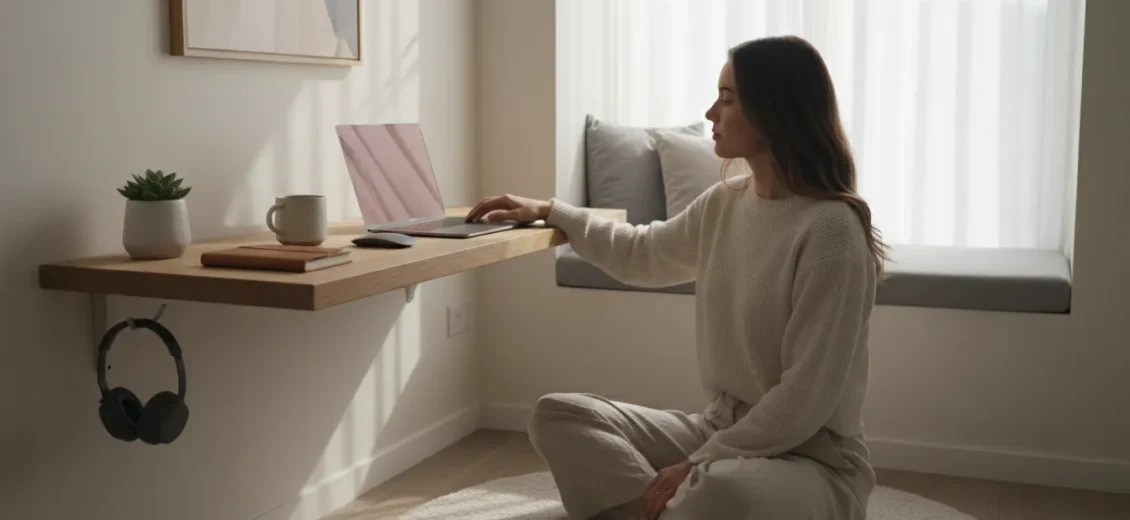
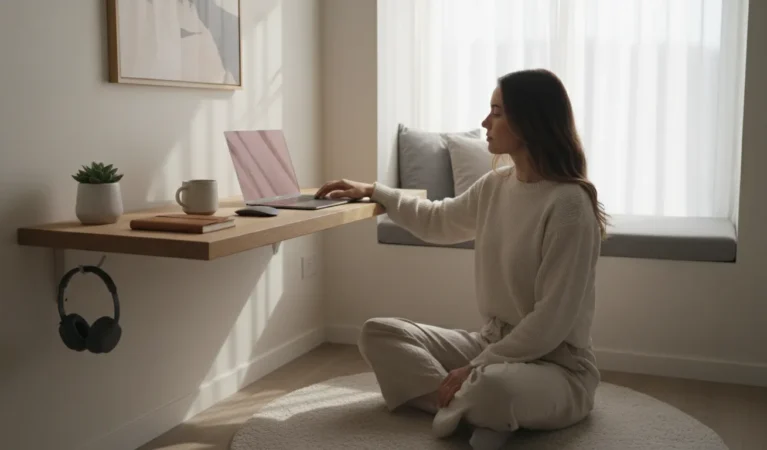
Table of Contents
- Introduction
- The Strategy of Small Space Design
- Functional Layouts for Peak Productivity
- Furniture Selection: Making the Most of Your Footprint
- The Operational Advantage: Why Your Small Office Needs Support
- Member Success and the Business Development Layer
- Practical Scenarios: Small Space Success
- The Mental Game: Staying Productive in a Small Room
- Making the Move: From Concept to Reality
- Conclusion
- FAQ
Introduction
Have you ever found yourself trying to focus on a high-stakes project while your desk feels like it is slowly shrinking around you? Whether you are operating out of a repurposed corner of your home or a compact private suite, the physical constraints of a small environment can often lead to a sense of mental clutter. The challenge of how to set up an office in a small space is one that thousands of founders and independent professionals face every day. However, a limited footprint does not have to mean limited potential. In fact, some of the most innovative companies in the world began in spaces no larger than a standard walk-in closet.
The purpose of this guide is to provide a comprehensive strategy for optimizing small workspaces, moving beyond simple organization tips to explore the intersection of design, psychology, and professional support. We will cover everything from the physical layout and furniture selection to the strategic advantages of leveraging a flexible workspace platform. At Workbox, we believe in “Workspace with a Purpose,” and that purpose is centered on Member Success. By the end of this article, you will understand how to transform a modest square footage into a high-performance headquarters that supports your professional growth and operational efficiency.
The Strategy of Small Space Design
When considering how to set up an office in a small space, the first step is to shift your perspective. A small office should not be viewed as a “miniature” version of a large corporate floor plan. Instead, it should be treated as a specialized environment where every square inch is curated for a specific function.
Assessing Your Workflow
Before buying furniture or moving a single box, you must analyze what actually happens during your workday. Are you spends 80% of your time on deep, focused work? Do you host frequent video calls? Do you need physical space for documents, or is your operation entirely digital?
For a founder who spends most of their day on the phone or in video conferences, the priority shouldn’t be a massive desk, but rather high-quality lighting and a professional backdrop. Conversely, a freelance designer might prioritize a larger surface area for a second screen or tablet. By identifying your primary activities, you can allocate your limited space to the tasks that generate the most value.
The Power of Verticality
In a small office, your greatest untapped resource is the wall. When floor space is at a premium, moving storage and decorative elements upward can dramatically open up the room. Floating shelves, wall-mounted organizers, and even vertical bike storage (a common feature at select Workbox locations) can keep the floor clear, making the room feel larger and reducing visual noise.
Lighting and Atmosphere
Dark corners make a room feel cramped. If you are setting up in a small space, prioritize access to natural light. Position your desk near a window if possible. If natural light is unavailable, use a combination of task lighting (like a focused desk lamp) and ambient lighting (like a floor lamp that bounces light off the ceiling) to eliminate shadows. This creates a sense of depth that tricks the brain into perceiving a more expansive environment.
Functional Layouts for Peak Productivity
The layout is the most critical element of how to set up an office in a small space. A poor layout leads to friction—having to move a chair to open a drawer, or stretching across the room to reach a printer—which eventually erodes your productivity.
The “Zone” Approach
Even in a small room, you can create distinct zones for different types of work.
- The Primary Work Zone: Your desk and chair. This area should be kept clear of everything except your computer and immediate essentials.
- The Reference Zone: Shelving or a small cabinet for items you use daily but don’t need on your desk.
- The Storage Zone: Closets or high shelves for items you only need once a week or once a month.
By separating these areas, you create a psychological “mode switch” when you move from one task to another.
Cable Management and Tech Integration
Nothing makes a small office feel more chaotic than a “cable nest” under the desk. Invest in cable sleeves, under-desk trays, or wireless peripherals to keep your tech footprint as small as possible. At Workbox, our private offices and suites come with a seamless operational backbone, including fast, secure Wi‑Fi and Ethernet, which reduces the need for bulky routers or messy wiring in your immediate area.
Furniture Selection: Making the Most of Your Footprint
Choosing furniture for a small space requires a balance between utility and scale. You want pieces that are substantial enough to be comfortable but not so large that they overwhelm the room.
Furnished Desks and Chairs
One of the primary benefits of choosing a professional workspace like Workbox is that we provide furnished desks and chairs that are specifically chosen for professional use. This removes the guesswork and high upfront costs of outfitting a new office. When you are selecting your own, look for “leggy” furniture—desks and chairs with thin, open frames that allow you to see the floor underneath. This visual continuity makes a small space feel significantly less crowded.
Multi-Functional Pieces
In a tight space, every piece of furniture should work double duty. A small cabinet can serve as a printer stand on top and a filing system inside. A guest chair should be comfortable enough for a 30-minute meeting but compact enough to be tucked into a corner when not in use.
The Operational Advantage: Why Your Small Office Needs Support
Setting up an office is about more than just the four walls and a desk. It is about the “Operational Support” that allows you to focus on your actual work rather than administrative headaches. When you set up a small office within a traditional lease model, you are responsible for everything: internet setup, janitorial services, furniture procurement, and even making sure the coffee pot is full.
Reducing the Administrative Burden
At Workbox, we simplify operations from day one. Our bundled workplace environment includes professional cleaning services, a dedicated community manager, and access to mailing and packaging services (available to members with a Floating Membership or higher). This means you don’t need to dedicate space in your small office for a cleaning closet or a mail sorting station. We provide the infrastructure, so you can devote 100% of your square footage to your business goals.
Shared Amenities as a Space Multiplier
The secret to successfully working in a small space is having access to large shared spaces. When your private office is part of a larger community, you don’t need your own breakroom, kitchen, or conference room.
- Meeting Rooms: Need to host a formal presentation? You can reserve a private conference room instead of trying to cram a conference table into your small suite.
- Phone Booths: If you need a change of scenery for a quick call, you can jump into a phone booth rather than feeling tethered to your desk.
- Wellness Room: For moments when you need a break or a quieter environment in a private space, our locations offer dedicated rooms for relaxation or personal needs.
If you just need space for the day, consider a day pass. By using these shared amenities, your “office” effectively expands from a few hundred square feet to several thousand.
Member Success and the Business Development Layer
A common fear of setting up a small office is isolation. Founders often worry that by moving into a private space, they will lose the “collision points” that lead to new opportunities. At Workbox, we solve this through our Member Success philosophy and our Business Development layer.
Connection Over Contraction
Workspace with a Purpose means that we don’t just provide a desk; we provide a platform for growth. Our “Member Connection” bucket is designed to ensure that even if you work in a small private office, you are part of a high-energy community of leaders, innovators, and investors.
- Weekly Community-Based Engagements: These aren’t just social hours; they are opportunities to meet other professionals who might become your next client or collaborator.
- Quarterly Mixers: Larger events designed to build deep network connections across the entire Workbox ecosystem.
- Purposeful Programming: Access to partnership events across the country that support professional connection and business development.
See upcoming community programming and events on our events calendar.
Access to Resources
Small companies often lack the “clout” to get major vendor discounts or access to capital partners. We leverage our scale to provide members with a virtual platform full of business-development resources. This includes:
- Vendor Discounts and Cloud Credits: Saving you money on the tools you use to run your business. Learn more about these included perks in our membership benefits.
- Programming with Capital Partners: Connecting you to the broader investment ecosystem, which is particularly relevant for those looking to scale out of their small space.
Practical Scenarios: Small Space Success
To better understand how these principles work in the real world, consider these two scenarios:
The Growing Startup Team Imagine a three-person startup transitioning out of a home basement. They need a professional headquarters but have a limited budget. By choosing a private office at Workbox, they get a dedicated home base with their company logo on the door (included at no additional cost). They don’t have to worry about the logistics of setting up a printer or finding a reliable internet provider—it’s all included in their Operational Support package. When they need to pitch an investor, they book a high-end meeting room. They are a small team with a “big company” feel, and nearly two-thirds of member companies in our network choose us as their corporate headquarters for exactly this reason.
The Independent Consultant Consider a consultant who specializes in financial strategy. Their work requires deep focus and absolute privacy for client calls. A small private suite gives them the focus they need, while the Workbox community provides the social interaction they crave. On a Tuesday morning, they might grab a complimentary coffee in the kitchen and end up chatting with a founder who needs financial modeling help. That casual interaction—facilitated by our community managers—leads to a new contract. Their small space didn’t limit them; it gave them the privacy to work and the platform to grow.
The Mental Game: Staying Productive in a Small Room
Beyond the physical layout, managing your mindset is crucial when you are figuring out how to set up an office in a small space. “Cabin fever” is a real productivity killer.
The Importance of Variety
One of the best ways to stay productive in a small office is to occasionally leave it. Use the common areas of the coworking space for tasks that don’t require high-intensity focus. Maybe you answer emails in the lounge area or review a contract in a phone booth. This “micro-commute” within the building can refresh your brain and prevent the walls of a small office from feeling like they are closing in.
Digital Minimalism
In a small space, physical clutter is the enemy, but digital clutter is just as dangerous. A small office often lacks the storage for massive paper files, which is actually a blessing in disguise. Adopt a “digital-first” workflow. Scan your documents, use cloud storage (leveraging those member credits), and keep your physical desk surface clear. A clean desk in a small room creates a sense of calm and control.
Personalization vs. Professionalism
It is tempting to fill a small office with personal mementos to make it feel “cozy.” However, too much personalization can make a small space feel cluttered. Choose two or three high-impact items—a single plant, a piece of art, or a framed diploma—and leave the rest of the space clean. This maintains a professional presence, especially if you are hosting clients or taking video calls.
Making the Move: From Concept to Reality
Setting up your office shouldn’t be an overwhelming task. By focusing on a few key pillars, you can ensure your space is ready for success from day one.
- Prioritize the Essentials: Invest in a great chair and a clear desk. If you’re at Workbox, we’ve already handled this for you.
- Optimize Your Tech: Use the secure Wi‑Fi and Ethernet provided to eliminate unnecessary hardware.
- Leverage the Community: Don’t stay behind a closed door all day. Engage with the weekly events and mixers to expand your network.
- Think Long-Term: Choose a space that can grow with you. Our flexible memberships allow you to start with a desk and move into a suite as your team expands.
Traditional office models often require a 7-10 year minimum lease with up to six months of rent as a commitment. In contrast, the flexible model allows for a much lower upfront commitment—often just one month of rent with a two-month minimum. This flexibility is vital for businesses that are currently in “small space” mode but have big ambitions for the future.
Conclusion
Learning how to set up an office in a small space is a masterclass in prioritization. It forces you to evaluate what truly matters to your business: Is it the size of your mahogany desk, or is it the quality of the connections you make and the operational ease with which you conduct your daily work?
By focusing on smart layout choices, vertical organization, and—most importantly—leveraging a platform like Workbox, you can turn a compact footprint into a powerful engine for Member Success. We provide the “Workspace with a Purpose,” combining the physical office with a Business Development layer and a community of innovators that ensures you are never truly limited by your square footage.
Whether you are a solo founder or a small team looking for a professional headquarters, your office should be a place that accelerates your growth, not a hurdle you have to overcome.
Take the next step in your professional journey. Explore our various locations across the country, from private offices starting at $500/mo to floating memberships starting at $250/mo. Visit Workbox today to schedule a tour and see how we can help you build your business in a space designed for success.
FAQ
How can I make my small office feel bigger?
To make a small office feel more expansive, prioritize natural light and use “leggy” furniture that allows you to see more of the floor. Utilizing vertical storage on walls keeps the floor clear, and maintaining a “digital-first” workflow reduces physical clutter. Additionally, working within a flexible workspace like Workbox gives you access to large common areas, lounges, and kitchens, effectively extending your office beyond your private walls.
What is the most important piece of furniture for a small office?
The most important pieces are a high-quality desk and chair. Since these are the items you will interact with most throughout the day, they should be professional-grade and appropriately scaled for the room. At Workbox, our private offices and suites come furnished with desks and chairs, saving you the hassle of procurement and ensuring that your furniture is both functional and stylish.
How does a coworking space solve the problems of a small office?
A coworking space solves the limitations of small offices by providing shared amenities that you would otherwise have to house within your own square footage. This includes access to private conference rooms, phone booths, a wellness room, and a full kitchen. It also provides Operational Support—such as cleaning, printing, and mail services—so you don’t have to manage these tasks or dedicate space to them.
Can I host clients if my office is small?
Absolutely. When you have a membership at a professional workspace, you are not limited to your private office for meetings. You can book professional meeting rooms (starting at $60/hr for non-members, with credits often included for members) that provide a high-end environment for presentations and client discussions. This ensures you maintain a professional presence without needing a large, expensive private suite.