skip to main content
 Event Space for Small Businesses in Washington DC
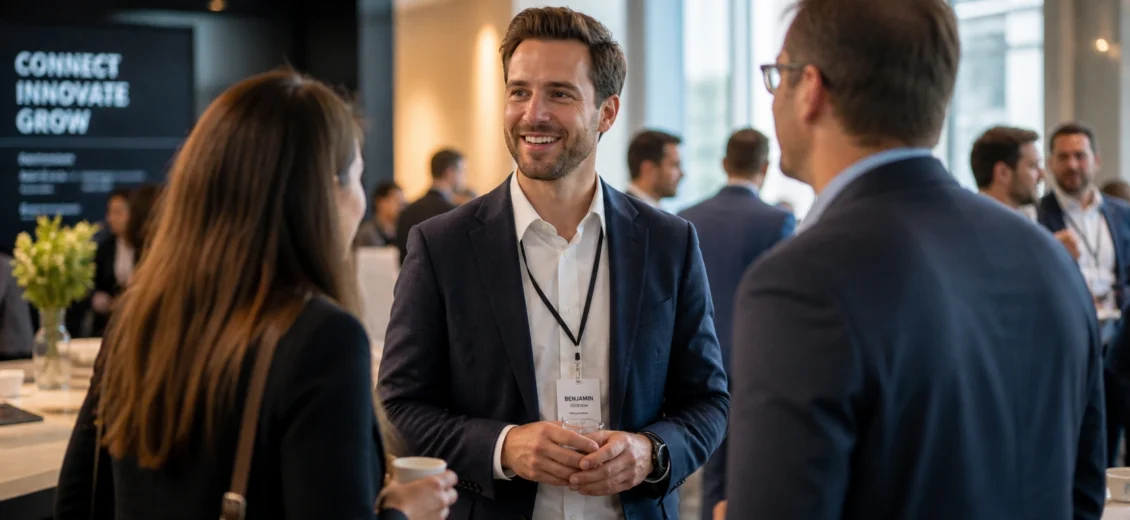
Table of Contents
- Introduction
- The Strategic Importance of Event Space in DC
- Moving Beyond “Coworking 101”
- Types of Event Spaces for Small Businesses
- The Operational Support Advantage
- Business Development and Community Connectivity
- Designing the Perfect Event: Logistics and Amenities
- Practical Scenario: The Independent Consultant
- Comparing the Costs: Flex vs. Traditional
- Building a Professional Presence in the Capital
- Creating a Healthy Work Environment
- Conclusion
- FAQ
Introduction
Have you ever walked into a high-stakes meeting in a crowded coffee shop, only to find yourself competing with a loud espresso machine and a dozen other conversations just to be heard? For small business owners in Washington DC, the search for a professional environment can feel like a constant compromise between the prestige of the city and the practical constraints of a growing budget. In a town where the next handshake could lead to a federal contract or a major investment, the space where you host your events is far more than just a backdrop—it is a reflection of your brand’s maturity and your commitment to excellence.
The purpose of this guide is to help founders, consultants, and growing teams navigate the landscape of event space for small businesses in Washington DC. We will explore how to move beyond generic rental halls toward strategic environments that prioritize Member Success. We will cover the different types of spaces available—from intimate meeting rooms to expansive event floors—and explain how a bundled workplace model can eliminate the administrative headaches typically associated with hosting a professional gathering. Ultimately, we will show why the right venue is one that offers not just four walls, but a platform for connection, operational support, and long-term business development.
The Strategic Importance of Event Space in DC
Washington DC is a city built on the power of the network. It is an industry town where policy, technology, and capital intersect daily. For a small business, hosting an event here—whether it is a tactical workshop, a client presentation, or a networking mixer—is a high-impact opportunity to solidify your presence in the market.
However, the “DC standard” for professional space is notoriously high. Traditional office models often require long-term commitments and significant upfront costs for things like furniture, technology, and utilities. For a small business, trying to replicate this in a traditional venue often results in a massive administrative burden. You aren’t just renting a room; you are suddenly coordinating janitorial services, troubleshooting Wi-Fi, and managing catering logistics.
At Workbox, we believe that success takes more than just a desk. It requires an environment designed for professional growth. By choosing a workspace that integrates event capabilities with a dedicated community and operational backbone, small businesses can project an headquarters-level image without the traditional overhead. Explore our workspace memberships and pricing to see how different options fit varied needs. (https://www.workboxcompany.com/workspace/#workspace-memberships-pricing)
Moving Beyond “Coworking 101”
When many people think of flexible workspace, they think of open desks and ping-pong tables. But for a professional service firm or a scaling tech team, those elements are distractions, not assets. The modern small business needs “Workspace with a Purpose.”
This means looking for a venue that aligns with your specific goals. If you are hosting a board meeting, you need a private conference room with seamless technology. If you are hosting a product launch or a community mixer, you need a space that facilitates high-quality member-to-member interactions. The goal is to find a destination for leaders and innovators—a place where nearly two-thirds of the member companies choose to establish their corporate headquarters.
The Member Success Philosophy
Our approach is centered on Member Success. This isn’t just a catchy phrase; it’s a commitment to providing the resources that help a business grow. When you book an event space, you should be entering a community connectivity layer. This means your event isn’t happening in a vacuum. It is occurring within an ecosystem of other innovators, investors, and leaders.
Types of Event Spaces for Small Businesses
Not every business event requires a ballroom. In fact, for most small businesses in DC, the most effective events are those that are intimate and highly focused. Here is a breakdown of the types of spaces that provide the most value:
Private Meeting Rooms
For tactical sessions, client pitches, or team strategy days, private meeting rooms are the gold standard. In our locations, meeting rooms start at $60/hr (pricing varies by location and availability), providing a cost-effective way to access a professional setting without a long-term lease. You can reserve a meeting room or host an event through our meeting and event spaces page. (https://www.workboxcompany.com/host-an-event/)
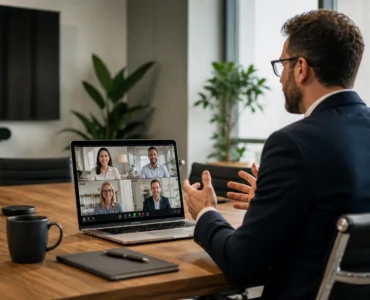
These spaces are fully equipped with the tech you need for a presentation, allowing you to focus on your content rather than the cables. For a consultant who usually works from home, moving a quarterly review into a professional meeting room can completely change the tone of the engagement, signaling to the client that your business is stable and professional.
Flexible Event Spaces
When the guest list grows, you need a space that can adapt. Flexible event spaces are ideal for workshops, seminars, or evening mixers. The benefit of using a platform like ours is that these spaces are designed to be “turnkey.”
Pricing for larger events varies by space, size, and package, but the core value remains the same: you are getting a premium environment that is managed by a dedicated community manager. This person serves as your operational support, ensuring that the logistics of the room are handled so you can focus on your guests.
Social and Lounge Areas
Sometimes the most productive “event” is a casual networking session. Our spaces are designed to facilitate network building through purposefully designed social areas. Whether it’s a weekly community-based engagement or a quarterly mixer, these spaces allow small business owners to rub shoulders with other leaders in the DC ecosystem.
The Operational Support Advantage
One of the biggest hurdles for a small business when hosting an event is the hidden cost of operations. In a traditional office or a standalone event hall, the “backbone” of the event is your responsibility.
Reducing the Administrative Burden
Imagine you are hosting a half-day seminar for twenty prospective clients. In a traditional setting, you might spend the three days leading up to the event coordinating with three different vendors: one for the internet, one for the furniture setup, and another for the cleaning crew.
In a bundled workplace environment, that burden disappears — learn more about our member benefits that streamline operations and reduce administrative work. (https://www.workboxcompany.com/workspace/#member-benefits)
In a bundled workplace environment, that burden disappears. We provide a seamless operational backbone that includes:
- Fast, secure Wi-Fi and Ethernet: Crucial for presentations and live-streaming.
- Professional cleaning services: The space is pristine before you arrive and after you leave.
- Furnished desks and chairs: No need to rent extra furniture.
- Complimentary coffee and tea: Keeping your guests refreshed without a separate catering contract for basic beverages.
By simplifying these operations from day one, we allow small business owners to lower their upfront commitment and focus their energy on business development.
Practical Scenario: The Growing Tech Team
Consider a small software startup that has recently moved out of a home office. They need to host their first “investor day” to showcase their new platform. They don’t have the budget for a 10-year lease on a flagship office, but they can’t host investors in a basement.
By utilizing a private suite at Workbox for their daily operations and booking a larger flexible event space for their investor day, they maintain a consistent professional presence. They can even have their company logo placed on the office door at no additional cost, reinforcing their brand identity. When the investors arrive, they see a team that is part of a powerful network of other innovators—not a team struggling with the logistics of a temporary space.
Business Development and Community Connectivity
An event space in DC should do more than just hold people; it should open doors. This is where the “Business Development” layer becomes essential.
Access to a Powerful Network
When you host an event in a space that is a destination for leaders and investors, the “who” becomes as important as the “where.” Our community connectivity allows for high-quality member-to-member interactions. This means the person attending an event next door might be your next strategic partner or client.
Small businesses benefit from:
- Purposeful programming: Events and networking opportunities that are designed to support professional connection.
- Partnership events: Access to events across the country that support greater business development opportunities.
- Virtual platform access: Business-development resources that extend beyond the physical walls of the office.
Capital Access and Innovation
For founders, the proximity to capital is a major factor in choosing a DC location. While we never guarantee funding, our ecosystem is designed to place you in the same room as the people who move the needle. This includes programming and networking events with capital partners and business leaders. For those in the startup world, mentioning that your business is based in a hub of innovation can be a powerful differentiator.
Designing the Perfect Event: Logistics and Amenities
Success in events often comes down to the details. When evaluating event space for small businesses in Washington DC, you should look for specific amenities that enhance the guest experience while minimizing your workload.
Essential Amenities
A high-quality event venue should offer a comprehensive menu of services. At Workbox, we prioritize functionality:
- Phone Booths: Perfect for when an attendee needs to step out for a quick, private call without leaving the venue entirely.
- Wellness Room: Providing a private space for guests who may need a moment of reprieve or for nursing mothers.
- Unlimited Printing: Useful for last-minute handouts or signing documents.
- Mailing and Packaging Services: Available to members (Floating Membership or higher), which can be a lifesaver if you need to ship materials after an event.
Accessibility and Access
Location is everything in DC. You want a venue that is easily accessible via the Metro and located near the hubs of power like the K Street corridor or the Capitol Hill area.
Furthermore, you must consider access rules. For non-members booking meeting rooms or day pass users, staffed hours are typically 8:30 am to 5:00 pm, Monday through Friday. For specifics on day pass access and policies, see our day pass details. (https://www.workboxcompany.com/workspace/#daypass) However, for those with a desk or private office membership, 24/7 access to their home-base location ensures that the work doesn’t have to stop when the event ends.
Practical Scenario: The Independent Consultant
For an independent consultant juggling client meetings and deep work, a hybrid approach is often best. They might use a Floating Membership (starting at $250/mo) for their daily focused work in a quieter environment in a private space. When it comes time to lead a high-stakes strategy session for a client, they can reserve a professional meeting room. This creates a predictable weekly rhythm and ensures that every client interaction feels premium, without the consultant having to pay for a full-scale office they only use occasionally.
Comparing the Costs: Flex vs. Traditional
While we avoid exact dollar-for-dollar guarantees, the conceptual cost-value of a flexible event space versus a traditional office is clear for small businesses.
A traditional office requires a long-term commitment—often 7 to 10 years—and a massive security deposit. You are responsible for every line item: the internet, the coffee, the cleaning, and the person sitting at the front desk.
In contrast, our model offers a “Workspace with a Purpose” that includes all of those essentials in one monthly price. For events, this means you aren’t paying “extra” for the infrastructure; it is already there. You are paying for the space and the time, with the peace of mind that the operational backbone is handled by a dedicated team. This shift from a capital expenditure (CapEx) to an operational expenditure (OpEx) model is a key strategy for maintaining a lean, agile small business.
Building a Professional Presence in the Capital
In a city as competitive as Washington DC, small businesses cannot afford to be invisible. Hosting events is a primary way to build a brand, but those events must be executed with a level of polish that matches the city’s reputation.
By choosing a venue that emphasizes Member Connection and Operational Support, you are doing more than just renting a room. You are positioning your business as part of a larger community of innovators. You are ensuring that your guests—whether they are clients, investors, or potential hires—see a business that is organized, professional, and connected.
The Value of Community Managers
One often-overlooked asset in flexible event space is the Community Manager. This isn’t just a receptionist; this is a professional dedicated to Member Success. They are the ones who facilitate introductions, manage the day-to-day flow of the space, and ensure that your event runs smoothly. For a small business owner who is already wearing ten different hats, having a dedicated professional on-site to handle the “operational backbone” is invaluable.
Creating a Healthy Work Environment
Finally, the environment itself matters. We have moved away from the sterile, fluorescent-lit offices of the past. Modern event spaces in DC should feel vibrant and professional. While we don’t use labels like “quiet zones,” we provide a variety of environments—from phone booths to private offices—that allow for different modes of work and engagement.
This variety is essential for events. A good workshop should have a main area for the presentation, but also “breakout” areas where guests can have a quieter environment in a private space for 1-on-1 discussions. This architectural flexibility is a hallmark of a space designed for success.
Conclusion
Finding the right event space for small businesses in Washington DC is about more than just square footage. It is about finding a venue that supports your operational needs, connects you to a professional community, and reflects the high standards of your brand. In a city where every interaction matters, you need a workspace that functions as a strategic asset.
At Workbox, we are committed to Member Success. We provide the “Workspace with a Purpose” that small businesses need to thrive in the nation’s capital. By combining high-quality meeting rooms and flexible event spaces with a robust business development layer, we help you focus on what you do best: growing your business.
Whether you are hosting a small team brainstorm or a large-scale networking mixer, the right environment can make all the difference. We invite you to explore how our bundled workplace solutions and community connectivity can elevate your next event.
Ready to find your next professional home in the District? Explore our locations and see how Workbox can support your journey toward success. Reach out today to schedule a tour or book your next meeting room.
FAQ
How much does it cost to rent a meeting room for a small business in DC?
In our Washington DC locations, private meeting rooms start at $60 per hour. However, it is important to note that pricing varies based on the specific location, the size of the room, and current availability. These spaces are designed to provide a professional, turnkey environment for presentations, pitches, or team strategy sessions. See local day-pass and meeting room options for Washington, DC. (https://www.workboxcompany.com/locations/washington-dc-dupont-circle/#daypass)
Can non-members book event space or meeting rooms in your DC locations?
Yes, non-members are welcome to book meeting rooms and event spaces. For non-members and day pass users, the staffed hours for access are 8:30 am to 5:00 pm, Monday through Friday. Members with a desk or office membership have the added benefit of 24/7 access to their home-base location.
What amenities are included when hosting an event at a flexible workspace?
When you host an event at one of our locations, you gain access to a variety of professional amenities. This typically includes fast and secure Wi-Fi, professional cleaning services, and a dedicated community manager to assist with logistics. Additionally, guests can enjoy complimentary coffee, tea, and filtered water, while organizers have access to onsite printing and private phone booths if needed.
Is it better for a small business to use a hotel or a flexible workspace for an event?
While hotels offer traditional banquet services, flexible workspaces like ours are often a better fit for small businesses because they provide a “Business Development” layer. Instead of just a room, you get access to a community of other innovators and leaders. Our spaces also offer a more professional, office-like atmosphere that is better suited for tactical meetings, workshops, and networking events, often with lower administrative burdens than traditional hospitality venues.