skip to main content
 Why Is Space Management Important for an Office?
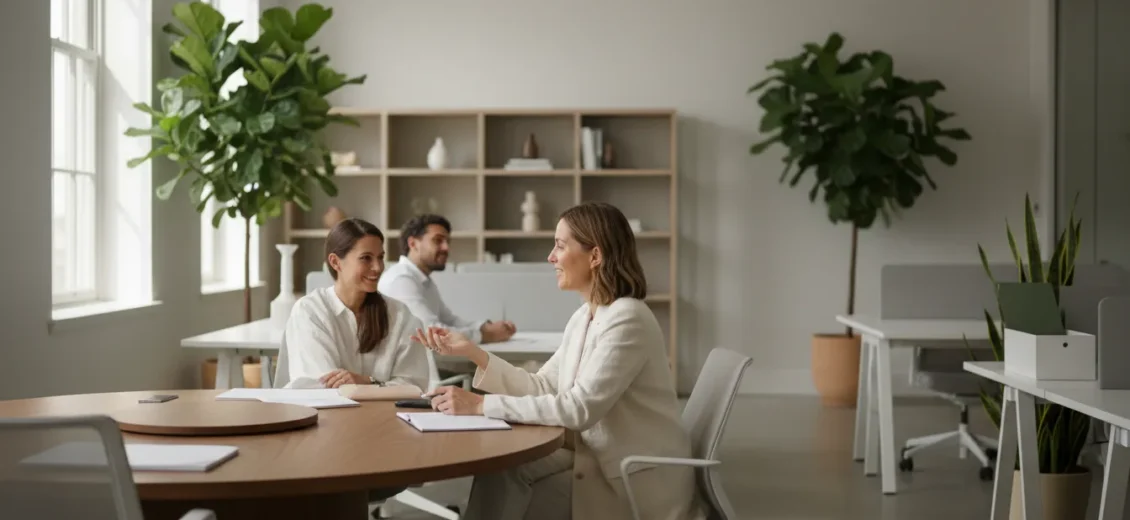
Table of Contents
- Introduction
- Defining Space Management in the Modern Era
- The Impact on Employee Performance and Well-being
- Operational Efficiency: Reducing the Administrative Burden
- Financial Flexibility and Scalability
- Fostering Community Through Strategic Layouts
- Practical Scenarios: Space Management in Action
- The Workbox Difference: Workspace with a Purpose
- Conclusion
- FAQ
Introduction
Walking into an office that feels “off” is an experience most professionals know all too well. Perhaps it is a sprawling, cavernous suite where three people sit miles apart, or a cramped startup hub where every phone call becomes a public broadcast. When physical space does not align with the needs of the people inside it, productivity and morale inevitably suffer. This misalignment is rarely a matter of having too little or too much square footage; rather, it is a failure of space management.
Space management is the strategic process of supervising and optimizing the physical footprint of an organization. It involves everything from floor plan design and furniture allocation to the management of shared resources and operational logistics. At Workbox, we believe in “Workspace with a Purpose.” For us, space management is not just about placing desks in a room; it is about creating an ecosystem where Member Success is the primary objective. It is the invisible backbone that allows a company to function smoothly, providing the right environment for deep focus, collaborative brainstorming, and professional networking.
In this post, we will explore why space management is important for an office, how it impacts your bottom line, and the ways in which a managed workspace environment can alleviate the traditional burdens of office oversight. By the end, you will understand how a strategic approach to your physical environment can serve as a catalyst for business growth and professional connectivity.
Defining Space Management in the Modern Era
To understand why space management is important for an office, we must first redefine what “the office” actually is. It is no longer just a destination where employees clock in and out. Instead, the modern office is a tool—a flexible resource that should adapt to the shifting needs of a team. Effective space management ensures that this tool is working for you, not against you.
Beyond Square Footage
Traditional real estate often prioritizes “efficiency” in terms of how many bodies can fit into a specific number of square feet. Strategic space management takes a more holistic view. It asks: How is the space being used? Where do people go when they need to collaborate? Where do they go when they need a quieter environment in a private space?
By analyzing usage patterns, we can ensure that every square inch of an office serves a distinct purpose. In our Workbox locations, this means offering a variety of environments—from private offices and suites to phone booths and open lounge areas. This variety ensures that members are never forced to work in a way that feels counterproductive to their current task.
The Integration of Physical and Digital Resources
In today’s workplace, space management also includes the management of the technological infrastructure that supports the physical environment. Fast, secure Wi-Fi & Ethernet are not just “amenities”; they are the lifelines of modern business. Managing these resources effectively means ensuring they are available where and when members need them, without the technical hurdles that often plague traditional office setups.
The Impact on Employee Performance and Well-being
The physical environment is one of the most significant predictors of employee engagement. When an office is poorly managed, employees often face constant micro-frustrations: a lack of available meeting rooms, broken printers, or a kitchen that is never stocked. These small issues compound, leading to burnout and decreased output.
Supporting Different Work Styles
Not every professional works the same way. A developer might need four hours of uninterrupted focus, while a sales lead might need to jump on and off calls all day. Strategic space management provides the infrastructure for both. By offering private offices and dedicated phone booths, we allow for “deep work” and high-volume communication to coexist without conflict.
When a workspace offers a wellness room or a variety of seating options, it acknowledges the human element of work. Providing a professional environment that accommodates physical comfort and mental clarity is a cornerstone of Member Success.
Professional Presence and Client Experience
For many of our member companies, nearly two-thirds of whom choose Workbox as their corporate headquarters, the office is also a stage. It is where they meet investors, interview top talent, and host clients. A well-managed space reflects the professionalism of the brand.
Imagine a consultant who previously met clients in noisy coffee shops. By moving to a private office at Workbox, they gain a dedicated home base. They can reserve a professional meeting room for high-stakes presentations, knowing the environment is clean, the technology is reliable, and the atmosphere is conducive to business. They even receive company logo placement on their office door at no additional cost, cementing their brand identity within a high-quality professional community.
Operational Efficiency: Reducing the Administrative Burden
One of the most compelling reasons why space management is important for an office is the reduction of operational “friction.” Managing an office is a full-time job. In a traditional lease model, a founder or operations manager must coordinate a dozen different vendors just to keep the lights on.
The Traditional Office Overhead
In a conventional office, the administrative burden is significant. Consider the time and effort required to manage the following:
- Lease Negotiations: Often involving 7–10 year commitments and complex legal reviews.
- Utilities and Internet: Setting up accounts, troubleshooting outages, and paying monthly bills.
- Janitorial Services: Hiring and managing cleaning crews to maintain the space.
- Supplies and Maintenance: Keeping the printer paper stocked, the coffee brewing, and the lightbulbs changed.
This “office tax” pulls leaders away from their core mission. Why should a startup founder spend their Tuesday afternoon calling an internet service provider?
The Managed Advantage
At Workbox, we provide a seamless operational backbone. We take on the burden of day-to-day office administration so our members don’t have to. Our bundled workplace environment includes professional cleaning services, a dedicated community manager, and mailing and packaging services for members (available for Floating Memberships and higher).
This model simplifies operations from day one. Instead of juggling ten different invoices, members have a single, predictable cost that covers their space, utilities, high-speed internet, and amenities like complimentary coffee and tea. This efficiency is a primary driver of our Member Success philosophy—we handle the “how” of the office so you can focus on the “what” of your business.
Financial Flexibility and Scalability
Space management is inextricably linked to financial strategy. In a traditional real estate model, companies often find themselves “over-spaced” or “under-spaced.” They sign a long-term lease for an office they hope to grow into, paying for empty desks for years. Alternatively, they outgrow their space halfway through a decade-long commitment and face the expensive prospect of breaking a lease or subleasing.
Lowering Upfront Commitment
One of the most immediate benefits of strategic space management in a flexible model is the reduction of upfront capital expenditure. Traditional offices often require significant deposits and thousands of dollars in furniture and technology hardware investments.
By contrast, our flexible workspace model offers a much lower barrier to entry. We provide furnished desks and chairs in our private offices and suites, and the commitment is far more manageable—often starting with a 2-month minimum lease compared to the multi-year requirements of a traditional landlord. This allows companies to preserve capital for hiring, marketing, and product development.
Scaling with Ease
As a business grows, its space needs change. Effective space management allows for this fluidity. A solo founder might start with a Floating Membership (starting at $250/mo) or a Desk Membership (starting at $350/mo). As they hire their first three employees, they can easily transition into a Private Office (starting at $500/mo). If they secure a round of funding and scale to twenty people, they can move into a larger Suite.
This ability to scale within the same community—without the disruption of a physical move or the legal headache of a new long-term lease—is a massive strategic advantage. It ensures that the office is always the “right size” for the current stage of the business.
Fostering Community Through Strategic Layouts
At Workbox, we often say that “Success Takes More” than just a desk and an internet connection. Space management is the tool we use to build Member Connection. A poorly designed office isolates people; a well-managed one facilitates high-quality member-to-member interactions.
Purposeful Programming and Connectivity
The layout of our spaces is designed to encourage spontaneous interactions while respecting the need for privacy. Shared kitchens and lounge areas serve as the “water cooler” of the modern era, where founders might meet potential partners or investors.
We support these connections through purposeful programming. This includes:
- Weekly Community-Based Engagements: Regular opportunities for members to connect informally over shared interests or professional challenges.
- Quarterly Mixers: Larger events designed to strengthen the bonds within the local and national Workbox network.
- National Access: Members with Private Offices, Desks, or Floating Memberships enjoy 24/7 access to their home-base location and 8:30 am–5:00 pm access to any other Workbox location nationwide. This expands a member’s “office” to include a national network of innovators and leaders.
We highlight our weekly community-based engagements and other member programming to help members build meaningful professional connections.
The Business Development Layer
Space management also extends into the resources we offer beyond the physical walls. By curate a powerful network of leaders and investors, we provide a platform for growth. Our members have access to a virtual platform and business-development resources, including vendor discounts and cloud credits that can save a growing company thousands of dollars.
For teams looking for more than just a place to sit, this enabling layer of support is invaluable. We provide access to partnership events across the country, creating opportunities for greater professional connection that would be difficult to manufacture in a traditional, isolated office.
Practical Scenarios: Space Management in Action
To truly see why space management is important for an office, it helps to look at how it functions in real-world professional rhythms.
The Consultant’s Rhythm
Consider a strategy consultant who spends much of their week on the road but needs a professional home base. With a Desk Membership, they have a dedicated spot where they can leave their external monitor and files. When they have a day packed with client discovery calls, they utilize the on-site phone booths for privacy. If they need to host a quarterly review with a client team, they book a private conference room (starting at $60/hr) via the member portal. The space adapts to them, providing a predictable and professional environment that enhances their credibility without the overhead of a full-floor lease.
The Scaling Tech Team
A five-person software team transitioning out of a crowded home garage needs more than just desks; they need a culture. Moving into a Workbox Private Office gives them a door they can close for sprint planning and a place to put their logo. However, they also benefit from being part of a larger ecosystem. During a weekly community engagement, they might meet a marketing agency owner two doors down who becomes their first major partner. As they grow to ten people, the Workbox team helps them transition into a larger suite in the same building, avoiding any downtime in their development cycle.
The Remote Leader
For an executive of a national corporation who works remotely, a Floating Membership provides a high-level professional destination. They avoid the isolation of working from home and the distractions of a public cafe. They benefit from the filtered water, complimentary coffee, and the high-speed, secure Wi-Fi that is managed by a dedicated team. When they travel to another city where we have a location, they simply walk in during staffed hours (8:30 am–5:00 pm) and get to work, maintaining their productivity across time zones.
The Workbox Difference: Workspace with a Purpose
Why is space management important for an office? Because at its core, space management is about removing obstacles. Every minute spent fixing a printer, negotiating a utility bill, or trying to find a place to take a private call is a minute taken away from your mission.
At Workbox, our approach is built around Member Success. We combine high-quality flexible workspace with a platform for professionals to connect, collaborate, and grow. We view the office not as a static expense, but as a dynamic resource that should provide:
- Member Connection: Through a network of innovators, weekly engagements, and a national community.
- Operational Support: Through a seamless backbone that reduces administrative burdens and simplifies your daily operations.
- Capital Access & Business Development: By providing a layer of resources, from cloud credits to networking events with capital partners and founders.
Our spaces are designed for leaders who understand that where they work is just as important as how they work. Whether you are a solo professional or a growing team choosing us as your corporate headquarters, you are gaining more than just square footage. You are gaining a partner dedicated to your success.
Conclusion
Effective space management is the difference between an office that drains your energy and one that fuels your growth. It is an essential strategy for any modern business looking to optimize costs, improve employee performance, and build a lasting professional community. By moving away from the rigid, high-overhead model of traditional real estate and embracing a managed, flexible environment, you empower your team to do their best work.
From providing the right mix of private and collaborative spaces to handling the intricate logistics of daily office life, strategic space management ensures that your physical environment is an asset, not a liability. At Workbox, we are proud to offer “Workspace with a Purpose,” helping our members navigate their professional journeys with a supportive community and a seamless operational backbone.
If you are ready to see how a strategically managed office can transform your business, we invite you to explore our diverse range of workspaces. From private offices to flexible memberships, we have a solution designed to support your success.
Explore Workbox Locations and Find Your New Office Today.
FAQ
Why is space management important for an office in terms of cost?
Space management is crucial for cost control because it helps businesses avoid paying for unused square footage and reduces the high upfront capital expenditure of traditional leases. In a managed environment like Workbox, costs are bundled into a single membership, eliminating the need for separate payments for internet, cleaning, utilities, and maintenance. This model provides greater financial predictability and allows companies to scale their space needs up or down without the heavy fees associated with breaking a traditional long-term lease.
How does office space management improve employee productivity?
Good space management provides employees with the right environment for different types of work. By offering a variety of spaces—such as private offices for deep focus, phone booths for calls, and conference rooms for collaboration—it minimizes distractions and reduces the “friction” of the workday. When a space is professionally managed, employees don’t have to worry about operational issues like slow Wi-Fi or lack of supplies, allowing them to remain focused on their core responsibilities and maintain a better daily rhythm.
What is the difference between traditional office management and a managed workspace?
Traditional office management requires the business owner to act as their own facility manager, coordinating multiple vendors for internet, janitorial services, furniture, and utilities. A managed workspace, like Workbox, provides a seamless operational backbone where these elements are handled by a dedicated community manager and staff. This reduces the administrative burden on the member, providing a “plug-and-play” environment where everything from professional cleaning to mailing services is already in place from day one.
How can space management help a company scale?
Strategic space management allows for physical flexibility as a team grows. Instead of being locked into a 7–10 year lease that might be too large initially or too small later, companies can use flexible memberships to adjust their footprint in real-time. At Workbox, a company can start with a few desk memberships and move into a private office or a larger suite as their headcount increases, all while staying within the same professional community and business development ecosystem.