skip to main content
 Why Office Space Is Important for Your Growth


Table of Contents
- Introduction
- The Evolution of the Professional Workspace
- The Operational Advantage of Managed Office Space
- Professionalism and Brand Identity
- Enhancing Productivity Through Purpose-Built Design
- The Business Development Layer
- Choosing the Right Membership for Your Needs
- The Strategic Importance of Location and Community
- Long-Term Growth and Scalability
- Wellness and the Workplace
- Conclusion
- FAQ
Introduction
Does a team actually need a physical headquarters to succeed in a world dominated by digital communication? This question has moved from a theoretical debate to a core strategic decision for every founder and executive. For a time, the narrative suggested that the physical office was an aging relic of a bygone era. However, as teams scale and the initial novelty of remote-only work fades, many leaders are discovering a fundamental truth: the right office space is not just a place to sit; it is a catalyst for culture, a hub for high-stakes collaboration, and a critical component of professional credibility.
Understanding why office space is important requires looking beyond the four walls and a desk. It is about recognizing the difference between mere survival and true professional flourishing. A workspace shouldn’t be a drain on your resources or a source of administrative headaches. Instead, it should act as a platform—a “Workspace with a Purpose”—that supports your operational needs while connecting you to a wider network of innovators, investors, and potential partners.
In this article, we will explore the multifaceted reasons why a physical office remains a vital asset for modern businesses. We will dive into the role of social capital, the operational relief provided by managed environments, and how the right office setup can serve as a strategic lever for business development. At Workbox, our philosophy is centered on Member Success, and we believe that the right environment is the foundation upon which that success is built.
The Evolution of the Professional Workspace
The traditional view of the office was one of utility—a place where employees were monitored and tasks were completed. Today, that perspective has shifted. The modern office is a destination for intentionality. When we ask why office space is important today, the answer lies in its ability to facilitate the things that cannot happen effectively over a video call.
For many professionals, the home environment is excellent for deep, individual tasks but often fails to provide the boundaries or the professional “spark” required for long-term growth. An office provides a physical manifestation of a company’s mission. For the nearly two-thirds of member companies who choose Workbox as their corporate headquarters, the office is a statement of intent. It says to employees, clients, and investors that the business is established, focused, and growing.
Creating a Culture of Connection
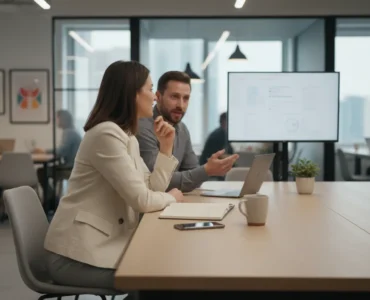
Culture is often described as the “connective tissue” of an organization. While digital tools can help maintain existing relationships, they are notoriously difficult for building new ones from scratch. Physical space allows for spontaneous interactions—the “hallway conversations”—that lead to unexpected solutions and creative breakthroughs.
At Workbox, we prioritize Member Connection. This isn’t just about being in the same room; it’s about high-quality member-to-member interactions. Whether it’s through weekly community-based engagements or quarterly mixers, a shared office environment creates a ecosystem where leaders can share insights and founders can find common ground. When you are surrounded by other innovators and investors, the “why” of office space becomes clear: it is about proximity to excellence.
The Operational Advantage of Managed Office Space
One of the most significant reasons why office space is important—and specifically why flexible office space is preferred by growing teams—is the reduction of administrative burden. Running a traditional office is, in many ways, like running a second business. You have to coordinate internet service, janitorial schedules, furniture procurement, and endless supplies.
For a small team transitioning out of a home office or a coffee shop, the sudden weight of office management can stifle growth. By choosing a managed environment, you gain a “seamless operational backbone.” This allows you to focus entirely on your core business goals while we handle the logistics of the workplace.
Bundled Essentials and Reduced Overhead
In a traditional lease model, a company is often required to make a massive upfront commitment. This typically involves several months of rent as a security deposit and a lease term that can span seven to ten years. For a rapidly scaling startup or a boutique consulting firm, predicting where you will be in a decade is nearly impossible.
In contrast, the flexible workspace model allows for a much lower upfront commitment—often just one month of rent with a two-month minimum lease. This agility is a key reason why office space is important for companies that need to remain nimble. The value of a bundled workplace environment includes:
- Fast, Secure Connectivity: Reliable Wi-Fi and Ethernet are ready from day one, avoiding the weeks-long lead times often associated with setting up a private commercial line.
- Professional Staffing: A dedicated community manager ensures the space runs smoothly, acting as an extension of your own team.
- All-Inclusive Amenities: From filtered water and complimentary coffee to professional cleaning and printing, the operational overhead is integrated into a single, predictable monthly cost.
Professionalism and Brand Identity
For any professional service provider or growing brand, perception matters. Why office space is important is often tied directly to how you are viewed by your clients and partners. Meeting a high-value client in a noisy public space or a cluttered home office can subtly undermine your authority.
A dedicated office space provides a professional presence. At Workbox, we understand that your office is your home base. That is why we include company logo placement on the office door at no additional cost for our private office members. It is a small detail that makes a significant difference in establishing your brand’s physical footprint.
Meeting Rooms as a Strategic Tool
Not every interaction requires a private office, but many require a professional meeting room. For a consultant juggling client meetings and deep work, reserving a professional meeting room when needed—while using a membership for focused work—creates a predictable weekly rhythm.
Our meeting rooms start at $60 per hour and provide a polished environment equipped with the necessary technology for presentations and collaborative sessions. This access allows professionals to scale their space usage based on their specific needs, ensuring they always have the right environment for the task at hand.
Enhancing Productivity Through Purpose-Built Design
Productivity is more than just hours spent at a desk; it is about the quality of those hours. A common challenge in modern work is the constant struggle to find “flow.” Why office space is important here is because it provides a variety of environments tailored to different modes of work.
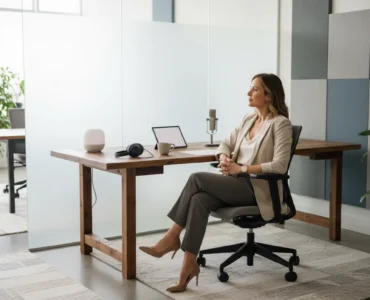
While we avoid the distractions of a traditional “open office,” we provide spaces designed to facilitate focus and collaboration. For instance, when a member needs to take a private call or jump into a video conference, they can utilize phone booths or a quieter environment in a private space. These design choices are intentional, ensuring that members can move through their day without the constant interruptions found in less structured environments.
The Power of Routine
Humans are creatures of habit. The physical act of “going to work” creates a psychological boundary between professional and personal life. This separation is vital for long-term mental health and sustained productivity. When you enter a Workbox location, you are entering a space where everyone else is also focused on professional growth. This shared energy is a powerful motivator that is nearly impossible to replicate in isolation.
The Business Development Layer
At Workbox, we believe that “Success Takes More” than just a desk and a chair. This is where the concept of a “Business Development Layer” comes into play. Why office space is important in our locations is because we view the workspace as a platform for growth.
We provide our members with more than just a place to work; we provide access to a powerful network of other innovators and leaders. This includes purposeful programming and access to partnership events across the country. These engagements are designed to support greater professional connection and business-development opportunities.
Beyond Networking: Resources for Growth
The business development aspect of our model includes:
- Virtual Platform Access: A digital space to connect with members across all our locations nationwide.
- Resource Access: We offer business-development resources, including vendor discounts and cloud credits, to help reduce the costs of running your operation.
- Programming: Events featuring capital partners, business leaders, and successful founders provide insights that can’t be found in a textbook.
For founders looking to scale, these connections can be transformative. While we never guarantee funding or specific outcomes, we create the environment where those connections are most likely to happen. For some, this might even involve proximity to the discussions within our broader ecosystem, which includes voices from the investment and innovation sectors.
Choosing the Right Membership for Your Needs
Because every professional journey is different, we offer a range of options that reflect why office space is important at different stages of growth. Whether you are an individual freelancer or a team of fifty, there is a configuration that fits your specific workflow.
Private Offices & Suites
Starting at $500/month, our private offices and suites are the premier choice for teams that need a dedicated, branded home base. These spaces offer 24/7 access to your home-base location and include all the operational support benefits, from mail handling to logo placement.
Desk Memberships
For the professional who needs a consistent place to land every day, desk memberships start at $350/month. This provides a dedicated spot within the larger community, allowing for a focused routine while remaining fully integrated into the community events and networking opportunities.
Floating Memberships
Starting at $250/month, floating memberships offer the ultimate flexibility. This is perfect for those who don’t need a permanent desk but want 24/7 access to a professional environment and all the perks of being a Workbox member, including access to our national network of locations during staffed hours.
Day Passes and Meeting Rooms
For those who only need space occasionally, our day passes are available for $35/day. These provide access to our common areas during staffed hours (8:30 am – 5:00 pm, Monday through Friday); you can purchase day passes for $35/day. It is a perfect solution for the remote worker who needs a change of scenery or a professional base for a day of intensive meetings.
The Strategic Importance of Location and Community
A significant part of why office space is important is where that space is located. Being in a central business district or a vibrant neighborhood puts you in the path of opportunity. Workbox locations are strategically chosen to be hubs for leaders and innovators.
Furthermore, being a member at one location often means you have access to a broader network. While members have 24/7 access to their home-base, they also have the ability to work from any other Workbox location nationwide from 8:30 am to 5:00 pm on weekdays. This is invaluable for professionals who travel frequently or have distributed clients.
Community Managers: The Heart of the Space
The difference between a generic office and a Workbox office is the people. Our dedicated community managers are not just there to troubleshoot the printer; they are there to facilitate Member Success. They make the introductions that matter, curate the programming that inspires, and ensure that the operational backbone of your office remains invisible so you can focus on your work.
Long-Term Growth and Scalability
As your business grows, your needs will change. A traditional office lease is a rigid structure that often forces companies to either pay for more space than they need or outgrow their space long before the lease is up. Why office space is important in the flexible model is that it allows for seamless scaling.
A small team transitioning out of a few desks can easily move into a private office as they hire more staff. Conversely, if a company shifts to a more hybrid model, they can adjust their footprint without the catastrophic legal and financial hurdles associated with breaking a commercial lease. This flexibility is a form of risk management that allows business leaders to deploy capital into their product or their team rather than into static real estate.
Wellness and the Workplace
We also recognize that a productive professional is a healthy professional. The design of our spaces includes elements that support well-being, such as wellness rooms and spaces designed to facilitate a quieter environment when needed. We provide the basics—filtered water, complimentary coffee and tea, and even draft or bottled beer at select locations—to ensure that the day-to-day experience of working is as comfortable as it is productive.
For those who commute by bike, several of our locations offer bike storage, encouraging sustainable and healthy habits. By taking care of these small but important details, we help reduce the cognitive load on our members, allowing them to bring their best selves to their work.
Conclusion
When we examine why office space is important, we find that it serves as the physical foundation for a company’s success. It provides the social capital necessary for culture, the professional environment necessary for branding, and the operational support necessary for focus. It is more than just a real estate transaction; it is a strategic decision to invest in a community and a platform that supports your growth.
At Workbox, we are committed to the success of our members. Our “Workspace with a Purpose” approach ensures that you are not just renting an office—you are joining a network of leaders and innovators. From our Business Development layer to our seamless operational support, everything we do is designed to help you operate more smoothly and connect more deeply.
Whether you are looking for a private suite to serve as your corporate headquarters or a floating membership to give you a professional base, the right workspace can transform the way you work. It provides the routine, the connections, and the resources that are essential for long-term professional fulfillment.
Ready to see how a purposeful workspace can impact your growth? Explore our locations, discover our community, and find the membership that fits your goals. Reach out to our team today to schedule a tour and experience the Workbox difference firsthand.
FAQ
Why is office space important for remote-first teams?
Even for remote-first teams, a physical office serves as a vital hub for intentional collaboration and culture building. It provides a professional “home base” for meetings, mail handling, and onboarding, while giving employees a designated space to work when their home environment isn’t ideal. Having a centralized location helps maintain brand identity and allows for high-quality member-to-member interactions that are difficult to replicate digitally.
How does flexible office space reduce operational costs?
Flexible office space reduces costs by bundling workplace essentials—like internet, cleaning, utilities, and furniture—into a single, predictable monthly fee. This eliminates the need to hire an office manager or coordinate with multiple vendors. Furthermore, the lower upfront commitment (often 1 month of rent vs. 6 months in a traditional lease) and shorter minimum lease terms provide significant capital flexibility, allowing businesses to reinvest that money back into their growth.
What is the “Business Development Layer” in a workspace?
The Business Development Layer refers to the additional resources and networking opportunities provided beyond the physical desk. At Workbox, this includes access to a virtual platform, purposeful programming with capital partners and founders, and vendor discounts. These resources are designed to facilitate professional connections and business-development opportunities, helping members grow their companies through community connectivity.
Can I access other office locations if I have a membership?
Yes. At Workbox, private office, desk, and floating members have 24/7 access to their designated home-base location. Additionally, they have access to any other Workbox location nationwide during staffed hours, which are 8:30 am to 5:00 pm, Monday through Friday. This is ideal for professionals who need a consistent, professional environment while traveling or meeting clients in different cities.