skip to main content
 Understanding the Modern Workspace: What is Creative Office Space?
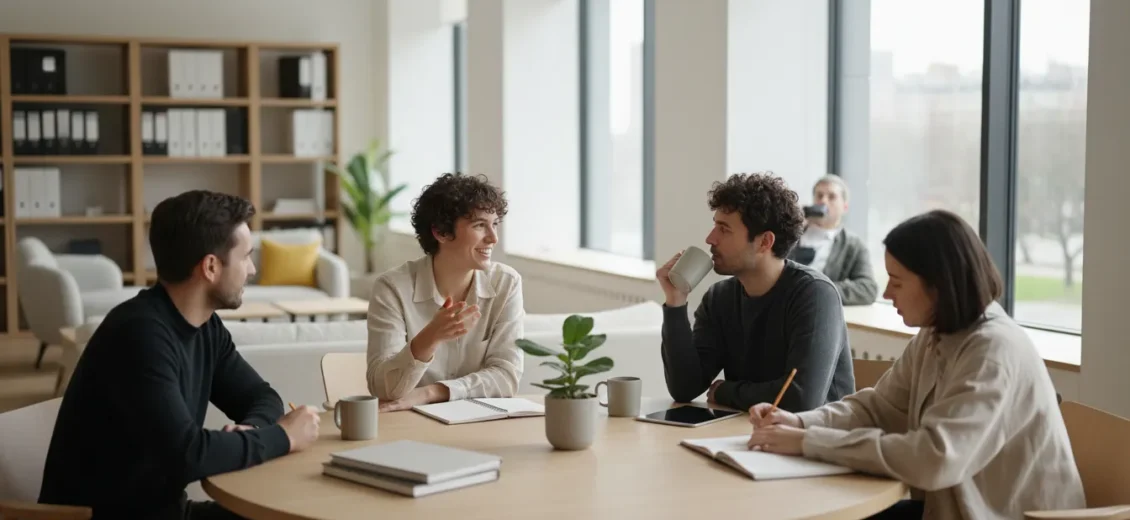

Table of Contents
- Introduction
- Defining Creative Office Space: More Than Just Exposed Brick
- The Shift from Traditional to Creative Environments
- Core Characteristics of Creative Office Space
- The Business Case for Creative Space
- Creative Office Space vs. Traditional Real Estate: The Operational Reality
- Member Success: The True Purpose of Creative Workspace
- Is Creative Office Space Right for Your Team?
- Choosing the Right Creative Environment with Workbox
- Conclusion
- FAQ
Introduction
Imagine walking into a workplace where the ceilings soar toward exposed timber beams, sunlight floods through oversized industrial windows, and the sound of collaborative brainstorming hums from a nearby lounge instead of the rhythmic tapping of keys in a sterile cubicle farm. This isn’t just a trendy aesthetic choice; it is a fundamental shift in how professionals interact with their environment. As businesses move away from the rigid structures of the 20th century, a new question has become central to the search for a corporate headquarters: what is creative office space, and how does it actually impact a team’s bottom line?
For many founders and leaders, “creative office” has become a shorthand for any space that doesn’t look like a traditional doctor’s office. However, true creative office space is defined by its ability to foster innovation, connectivity, and flexibility. It is a strategic tool designed to attract top-tier talent and facilitate the kind of high-quality member-to-member interactions that drive business growth. In this guide, we will explore the defining characteristics of these environments, the operational realities of maintaining them, and why the Workbox model of “Workspace with a Purpose” is the gold standard for teams looking to leverage their office as a catalyst for success.
Our goal is to move beyond the surface-level definitions and look at the functional philosophy of creative workspaces. We will examine how these spaces reduce the administrative burden of running a business and how the combination of physical design and a powerful network of innovators can transform a simple office into a hub for business development.
Defining Creative Office Space: More Than Just Exposed Brick
At its core, creative office space is an architectural and functional departure from the “Class A” glass-and-steel high-rises that dominated the corporate landscape for decades. While traditional offices prioritize hierarchy and uniformity—often placing executives in perimeter offices and staff in a central grid—creative spaces prioritize openness, transparency, and communal energy.
The Architectural Aesthetic
The visual hallmarks of creative office space are often industrial or historic. You will frequently find these spaces in repurposed warehouses, former factories, or heritage buildings. Common elements include:
- High Ceilings: The removal of drop-ceiling tiles reveals the building’s skeleton, including ductwork and structural beams, creating a sense of volume and “breathing room.”
- Natural Light: Large, often floor-to-ceiling windows are a staple, reducing the reliance on artificial fluorescent lighting and improving the overall well-being of those inside.
- Raw Materials: Polished concrete floors, reclaimed wood accents, and exposed brick walls provide a tactile, authentic feel that resonates with modern brands.
The Functional Philosophy
Beyond the look, the “creative” label refers to how the space functions. These environments are designed to be fluid. Instead of fixed walls that dictate how a team must work, creative offices often feature modular layouts. This allows for a mix of private suites and flexible workspace memberships for deep focus and large communal areas for spontaneous collaboration. At Workbox, we see this as an essential part of Member Success. A space should not just hold people; it should enable them to operate smoothly and grow their professional network.
The Shift from Traditional to Creative Environments
The rise of creative office space is a direct response to the changing needs of the modern workforce. For years, the traditional office was a place of “presenteeism,” where the goal was to fit as many desks as possible into a footprint. This model focused on the landlord-tenant relationship as a simple real estate transaction.
The Legacy of the Cubicle Farm
In a traditional office, the environment is often static. If a company grows, they are forced to deal with the complexities of lease negotiations, which can take months and cost thousands in legal fees. If they need to change their layout, they must hire contractors and navigate permits. This rigid model places a massive administrative burden on the business owner.
Why Modern Teams Demand More
Today’s leaders recognize that the office is a recruitment tool. Nearly two-thirds of our member companies choose Workbox as their corporate headquarters because they need a space that reflects their brand’s innovation. They want a destination where leaders and investors feel at home, and where their teams are energized by the environment. Creative office space provides a professional presence that a standard office suite simply cannot match.
Core Characteristics of Creative Office Space
When evaluating whether a space truly fits the “creative” definition, look for these three pillars of design: openness, industrial heritage, and collision zones.
Openness and Transparency
Creative office space intentionally breaks down barriers. Glass partitions in private offices and suites allow light to penetrate the interior of the floor while maintaining a professional level of privacy for calls and sensitive meetings. This transparency fosters a sense of being part of something larger—a community of innovators rather than a siloed department.
Industrial and Raw Elements
There is a psychological benefit to working in a space that feels “real.” The use of raw materials like steel and brick grounds the professional experience. It suggests a “maker” mentality, even for digital-first companies. For a small team transitioning out of coffee shops, moving into a furnished private suite with these design elements gives them immediate consistency and a home base that feels established from day one.
Collaborative “Collision” Zones
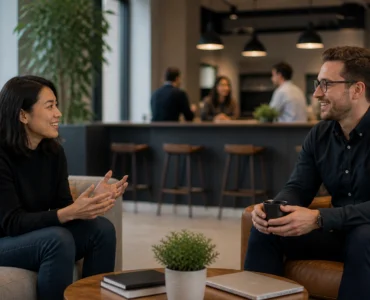
A hallmark of creative office design is the inclusion of “collision zones”—areas like lounges, shared kitchens, and open seating where members from different companies can naturally interact. At Workbox, we enhance these physical zones with purposeful programming. High-quality member-to-member interactions aren’t left to chance; they are facilitated through weekly community-based engagements and quarterly mixers.
The Business Case for Creative Space
Is a creative office a luxury? For a growing company, it is often a strategic necessity. The benefits extend far beyond aesthetics into the realms of talent and innovation.
Talent Acquisition and Retention
In a competitive hiring market, the physical environment is a differentiator. Top-tier talent expects more than just a paycheck; they want a workspace that supports their productivity and provides a sense of community. Providing a wellness room for a midday reset or phone booths for private calls shows a commitment to the employee experience.
Sparking Innovation Through Design
Research consistently shows that physical environment impacts cognitive function. The high ceilings and open vistas found in creative offices are linked to more expansive thinking. When you remove the literal and figurative walls of a traditional office, you create the conditions for cross-pollination. A founder might strike up a conversation with a venture partner over complimentary coffee, leading to a business-development opportunity that never would have happened in a closed-off corporate suite.
Creative Office Space vs. Traditional Real Estate: The Operational Reality
While the look of a creative office is appealing, the management of one can be a nightmare for a business that tries to do it alone through a traditional lease.
The Hidden Burdens of a Conventional Lease
If you were to lease a raw warehouse space to create your own “creative office,” you would immediately be hit with a mountain of workplace overhead. You would need to coordinate:
- Fast, secure Wi-Fi and Ethernet installation.
- Janitorial and professional cleaning services.
- Furniture procurement (desks and chairs for the entire team).
- Utilities and HVAC maintenance.
- Mailing and packaging services.
- Staffing a reception desk.
These are not just costs; they are distractions. Every hour a founder spends fixing the printer or negotiating with an internet provider is an hour taken away from scaling their business.
How Workbox Solves the Administrative Puzzle
Workbox provides a seamless operational backbone. We take the beautiful, inspiring elements of creative office space and bundle them with a level of support that traditional landlords don’t offer. Our members enjoy a bundled workplace environment that reduces day-to-day office administration.
For example, for a consultant juggling client meetings and deep work, the ability to walk into a professionally managed space where the coffee is ready, the Wi-Fi is secure, and a dedicated community manager is on-site to handle logistics creates a predictable and productive weekly rhythm. We remove the friction of running an office so our members can focus on their “Member Success.”
Member Success: The True Purpose of Creative Workspace
The Workbox philosophy is “Workspace with a Purpose.” We believe that the best creative office space is one that functions as a platform for growth. This is achieved through two primary layers: Member Connection and the Business Development layer.
Building Member Connections
A space is only as good as the people in it. We curate a powerful network of other innovators and leaders. By choosing a space designed for connectivity, you aren’t just renting square footage; you are gaining access to a community. Our spaces are designed to facilitate network building, ensuring that you are surrounded by potential partners, clients, and mentors.
The Business Development Layer
This is where the Workbox model truly deviates from the “coworking” norm. We provide an enabling layer of resources and support. This includes:
- Access to a virtual platform and business-development resources.
- Programming and networking events with capital partners, business leaders, and founders.
- Vendor discounts and cloud credits to help stretch your runway.
- Purposeful programming that supports greater professional connection.
By situating your business in an environment that prioritizes these resources, you are placing your team in a position to capitalize on opportunities that simply don’t exist in a traditional, isolated office building.
Is Creative Office Space Right for Your Team?
Not every business needs high ceilings and exposed brick, but almost every modern business needs the benefits that creative office space provides.
Assessing Your Culture
If your company values collaboration, speed, and transparency, a creative environment is likely a perfect fit. This is particularly true for:
- Startups and Scale-ups: Who need the flexibility to grow their footprint without a 7-to-10-year lease commitment.
- Professional Services: Who want a sophisticated, modern destination to host clients.
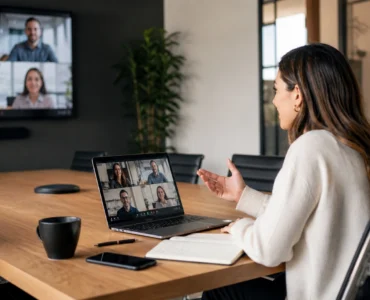
- Remote-First Teams: Who need a “hub” for quarterly mixers and weekly team syncs to maintain company culture.
Practical Scenarios
The Scaling Tech Team: Consider a software company that has just closed a round of funding. They need to hire ten people quickly. In a traditional office, they would be stuck in a space that is either too big (paying for empty desks) or too small (stifling growth). By choosing a private suite at Workbox, they get a furnished space that includes their company logo on the door at no additional cost. They have 24/7 access to their home base and can utilize meeting rooms for sprint planning, all while we handle the cleaning and utilities.
The Solo Consultant or Founder: For a professional who spends most of their time in meetings or traveling, a Floating Membership provides a home base with a professional presence. They can work from a different Workbox location nationwide during staffed hours (8:30 am–5:00 pm) and have 24/7 access to their local site. When they need to impress a potential investor, they can book a private conference room starting at $60/hr (subject to availability), ensuring a high-quality client experience without the overhead of a full-time office.
Choosing the Right Creative Environment with Workbox
We offer a range of workspace types to fit every stage of a professional’s journey. Our pricing is transparent and designed to offer a lower upfront commitment than a conventional office model.
Flexible Membership Tiers
- Private Offices & Suites: Starting at $500/mo. These are perfect for teams that need a dedicated, secure space while still wanting to be part of a broader professional community.
- Desk Memberships: Starting at $350/mo. A dedicated desk in a shared creative environment, providing a consistent place to leave your monitor (if you bring your own) and gear.
- Floating Memberships: Starting at $250/mo. Ideal for the flexible professional who needs access to high-speed Wi-Fi, coffee, and a professional lounge.
- Day Passes: $35/day. For those who need a professional environment for a single day of focused work during staffed hours.
Note: Pricing and availability vary by location.
National Access and Professional Amenities
All Workbox members (Floating Membership and higher) benefit from our comprehensive member benefits and amenity list, which is designed to support both your operational needs and your physical well-being:
- Fast, Secure Wi-Fi & Ethernet: The backbone of any modern business.
- Unlimited Printing: No more worrying about ink or maintenance.
- Mailing & Packaging Services: Available for members (Floating and higher), though details vary by location.
- Wellness Room & Phone Booths: Spaces designed for a quieter environment in a private space or for taking confidential calls.
- Complimentary Coffee, Tea, & Filtered Water: Keeping your team fueled throughout the day.
- Draft & Bottled Beer: Available at select locations for those post-work community happy hours.
Conclusion
So, what is creative office space? It is more than just a design trend. It is a strategic approach to the workplace that prioritizes the success of the people within it. By combining an inspiring physical environment with a seamless operational backbone and a powerful business-development layer, Workbox has redefined what an office can be.
We help leaders and innovators move away from the administrative burdens of traditional real estate and into a model where “Success Takes More.” Whether you are a solo founder looking for your first Floating Membership or a growing team in need of a custom private suite, our goal is to provide the space, community, and resources you need to grow.
Don’t settle for a sterile, traditional office that drains your time and energy. Experience a workspace with a purpose.
Ready to find your next creative office space? Explore Workbox locations near you and schedule a tour today to see how our Member Success platform can help your business thrive.
FAQ
What is creative office space compared to a traditional office?
Creative office space typically features open floor plans, high ceilings, and industrial design elements like exposed brick and natural light. Unlike traditional offices that use rigid cubicle layouts and long-term leases, creative offices emphasize flexibility, collaborative zones, and a professional community. Workbox enhances this by providing an operational backbone and business-development resources that traditional offices lack.
What amenities are included in a creative office space at Workbox?
Workbox memberships include a wide range of professional amenities such as fast, secure Wi-Fi and Ethernet, unlimited printing, and access to private conference rooms. Members also enjoy communal perks like complimentary coffee and tea, filtered water, draft and bottled beer (where applicable), and access to a wellness room and phone booths. Our locations also feature dedicated community managers and professional cleaning services to ensure a seamless experience.
Does creative office space help with business growth?
Yes, a creative office space can be a significant driver of growth. By providing a professional presence, it helps with talent acquisition and retention. Furthermore, the Workbox model provides a “Business Development” layer, offering members access to a virtual platform, networking events with capital partners, and high-quality member-to-member interactions that can lead to new partnerships and opportunities.
Can I access other Workbox locations if I have a membership?
Yes. Members with a Floating Membership, Desk Membership, or Private Office have 24/7 access to their home-base location. Additionally, they have access to any other Workbox location nationwide during staffed business hours, which are 8:30 am to 5:00 pm, Monday through Friday. This allows for maximum flexibility for professionals who travel or have teams in multiple cities.