skip to main content
 How to Decorate Small Office Space for Maximum Impact
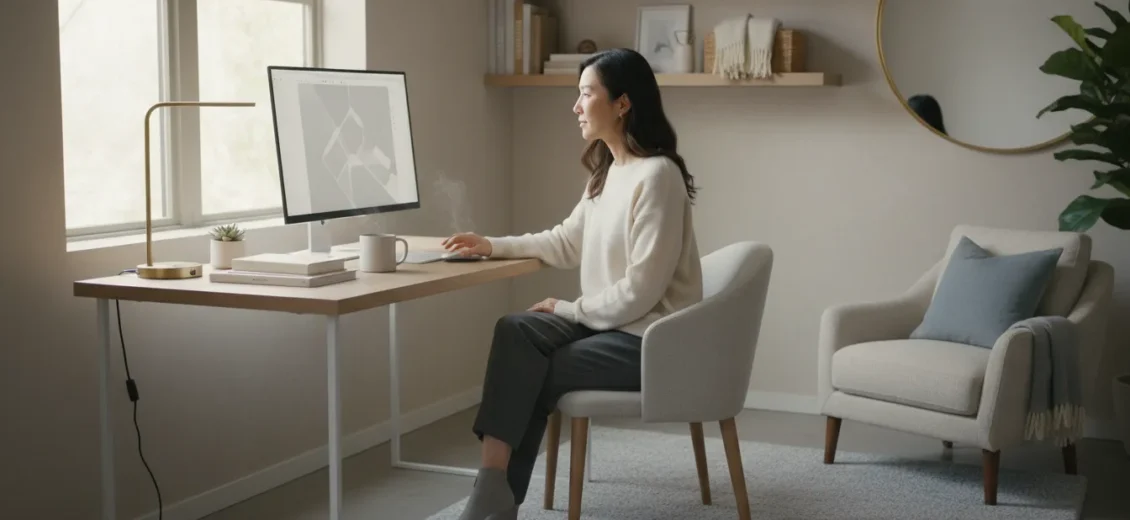
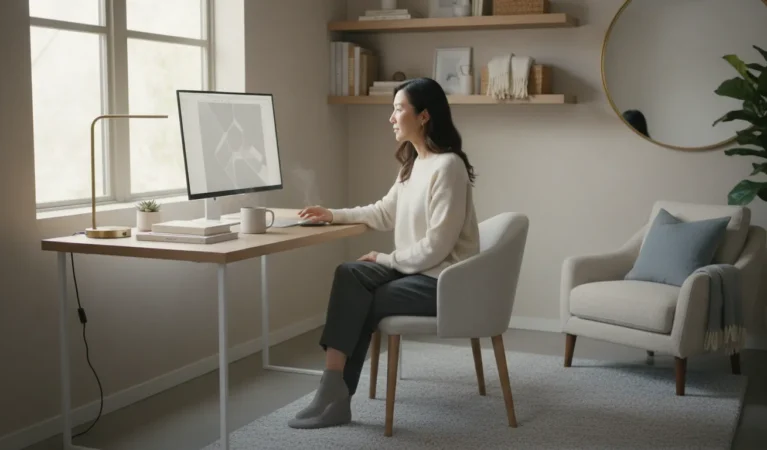
Table of Contents
- Introduction
- The Strategy of Small Space Design
- Light and Color: The Foundation of Atmosphere
- Furniture Selection: Scaling for Success
- Integrating Branding and Professional Presence
- The Role of Greenery and Biophilic Design
- Operational Support and the “Clutter-Free” Office
- Practical Scenarios in Small Office Decoration
- Creating Connectivity through Design
- The Financial Logic of the Flexible Model
- Physical Design and Environment: The Final Touches
- Conclusion
- FAQ
Introduction
Does your current workspace feel like a strategic headquarters or a cramped afterthought? For many founders and small team leaders, the transition from a home office or a local coffee shop into a dedicated professional environment is a major milestone. However, once you secure that private suite or office, a new challenge arises: how to decorate small office space in a way that reflects your brand, inspires your team, and maximizes every square inch of the footprint. The environment where you spend forty or more hours a week should not just be functional; it should be a physical manifestation of your company’s mission and a tool for your professional growth.
In this guide, we will move beyond basic aesthetics to explore a comprehensive strategy for office design that prioritizes “Workspace with a Purpose.” We will cover everything from the psychology of color and the science of lighting to the practicalities of furniture placement and the integration of your company’s identity. More importantly, we will look at how your physical environment interacts with the broader ecosystem of support—what we call Member Success—at Workbox.
Our thesis is simple: decorating a small office space is not about how much furniture you can fit, but about how you can use design to reduce administrative friction and foster high-quality professional connections. By the end of this article, you will have a blueprint for creating an office that feels expansive, operates smoothly, and positions your business for its next stage of growth.
The Strategy of Small Space Design
When you are working with a compact footprint, every decision carries more weight. In a massive corporate headquarters, a misplaced chair or a dark corner might go unnoticed. In a small private office, those same choices can lead to a cluttered environment that hampers productivity. The first step in learning how to decorate small office space is shifting your mindset from “filling the room” to “curating the experience.”
Defining Your Functional Zones
Even in a single-room office, you can create distinct zones for different types of work. This is a core part of our philosophy at Workbox, where we believe that a workspace should support a holistic range of professional activities.
- The Focus Zone: This is centered around your primary desk. It should be positioned to minimize distractions.
- The Collaborative Zone: Even if it’s just two chairs and a small side table, having a space away from the computer screen allows for better member-to-member interaction and creative brainstorming.
- The Brand Zone: This is the area your visitors or video call participants see first. It should communicate your professional presence immediately.
By mentally dividing the space, you avoid the trap of the “monolithic office” where every activity happens in the same square foot. This zoning helps create a sense of order and purpose, which is essential for Member Success.
Embracing the “Command Position”
In interior design, the “command position” involves placing your desk so that you have a clear view of the door without being directly in line with it. In a small office, this can be tricky, but it is worth the effort. Facing the door provides a sense of security and awareness, while having a solid wall behind you can improve your presence during virtual meetings. If your small office layout doesn’t allow for this, consider using mirrors or reflective decor to open up your line of sight, making the room feel twice as large.
Light and Color: The Foundation of Atmosphere
One of the most effective ways to influence the perceived size and mood of a room is through the strategic use of light and color. When you decorate small office space, you are essentially manipulating how light hits various surfaces.
The Power of Neutral Palettes with Intentional Accents
In a smaller environment, heavy, dark colors can make walls feel like they are closing in. To keep the space feeling airy and expansive, prioritize a palette of light neutrals—whites, soft greys, or pale beiges. However, a purely white room can feel clinical and uninspiring.
The key is to use accent colors that align with your brand. A single accent wall in a deep navy or a vibrant forest green can add depth without overwhelming the senses. If you are a member at Workbox, you might draw inspiration from our community spaces, which often balance professional sophistication with warm, inviting tones.
Layering Your Lighting
Relying solely on overhead fluorescent lighting is a common mistake that leads to eye strain and a “flat” office feel. Instead, think of lighting in three layers:
- Ambient Light: The general overhead light provided by the building.
- Task Light: Desk lamps that provide focused illumination for reading and writing.
- Accent Light: Small floor lamps or LED strips that highlight a plant or a piece of art.
At Workbox, we ensure our locations have high-quality lighting infrastructure, but adding your own lamp can personalize the space. A warm-toned bulb in a desk lamp can make your private suite feel like a high-end executive study rather than a standard cubicle.
Furniture Selection: Scaling for Success
In a small office, the scale of your furniture is paramount. Bulky, oversized desks may look impressive in a showroom, but they will swallow your floor space and make movement difficult.
Prioritizing Flexibility and Verticality
When choosing how to decorate small office space, look for furniture with “light” visual footprints—pieces with thin legs and open bases that allow the eye to see the floor underneath. This creates an illusion of more space.
Furthermore, do not forget your walls. Vertical space is often the most underutilized asset in a small office. Floating shelves can hold books, awards, and decorative items without taking up valuable square footage. This keeps your desk clear of clutter, which is vital for maintaining a focused mindset.
The Workbox Advantage: Move-In Ready Suites
One of the primary benefits of joining the Workbox community is that our private offices and suites come furnished with desks and chairs. This eliminates the upfront cost and the logistical headache of sourcing furniture that fits the dimensions of the room. Because our spaces are designed with professionals in mind, you can focus your energy on the “finishing touches”—the decor that makes the space truly yours—while we provide the functional foundation.
Integrating Branding and Professional Presence
Your office is more than just a place to work; it is a tool for business development. Whether you are hosting a potential investor or a high-value client, the decor should signal that you are a leader in your field.
Personalized Logo Placement
At Workbox, we understand the importance of identity. That is why we include company logo placement on the office door at no additional cost for our private office members. Inside the office, you can reinforce this by incorporating brand-colored textiles, framed mission statements, or even a digital display that showcases your latest projects.
Curating a Professional Background for Virtual Meetings
In the era of remote connectivity, your office “backdrop” is often the only part of your business that clients see. When decorating, pay special attention to what is visible behind your chair. A well-organized bookshelf, a piece of local art, or a healthy indoor plant can convey stability and attention to detail. Avoid cluttered backgrounds or visible storage bins, which can detract from your professional authority.
The Role of Greenery and Biophilic Design
Biophilic design—the practice of incorporating nature into the built environment—is a proven way to reduce stress and improve cognitive function. In a small office, a little greenery goes a long way.
Low-Maintenance Office Plants
If you don’t have a green thumb, consider resilient plants like Snake Plants, ZZ Plants, or Pothos. These thrive in office environments and don’t require constant attention. Placing a plant on a shelf or in a corner softens the hard lines of office furniture and adds a layer of “life” to the space. At Workbox, our community managers often curate our shared spaces with greenery to create a welcoming atmosphere; extending this into your private office helps bridge the gap between your personal workspace and our vibrant community.
Operational Support and the “Clutter-Free” Office
One of the biggest challenges in a small office is managing the “stuff” that accumulates—paperwork, supplies, and equipment. This is where the Workbox operational backbone truly shines.
Outsourcing Your Infrastructure
When you are in a traditional office lease, you have to find space for a printer, a coffee station, a mailing area, and cleaning supplies. In a 200-square-foot office, these items can easily take up 25% of your space.
By choosing a Workbox membership, you essentially “outsource” these requirements to our shared amenities and member benefits. You don’t need a bulky printer in your office because you have access to unlimited printing in our common areas. You don’t need a coffee maker or a stash of tea because we provide complimentary coffee and tea (and sometimes draft or bottled beer) in our kitchen. You don’t even need a large trash can or cleaning supplies because professional cleaning services are part of your membership.
This operational support allows you to dedicate your entire office space to your team and your work, rather than your chores. It transforms a “small” office into a highly efficient executive suite.
Practical Scenarios in Small Office Decoration
To help you visualize these concepts, let’s look at how two different types of professionals might approach decorating their Workbox suites.
Scenario 1: The Boutique Consultant
A consultant who frequently hosts high-level client meetings needs a space that feels sophisticated and calm.
- Layout: They position two comfortable guest chairs across from their desk to facilitate face-to-face conversation.
- Decor: They use a high-pile rug to dampen sound and add a sense of luxury. A single, large-scale piece of abstract art hangs on the main wall, serving as a conversation starter.
- Workbox Integration: They utilize their 24/7 access to prepare for early morning international calls and use the private conference rooms for larger board presentations.
Scenario 2: The Fast-Growing Tech Team
A team of three developers and a founder needs a workspace that maximizes collaboration and energy.
- Layout: They arrange their desks in a “U” shape to allow for easy communication while keeping the center of the room open for movement.
- Decor: They use a whiteboard wall or a large framed whiteboard for tracking sprints and brainstorming. They add a few “pop culture” touches like desk figurines to reflect their team culture.
- Workbox Integration: They frequently participate in our weekly community-based engagements and quarterly mixers to meet potential capital partners or technical collaborators, using their office as a “home base” between networking events.
Creating Connectivity through Design
Decorating your small office shouldn’t isolate you; it should prepare you to connect. Our Member Connection philosophy is built around the idea that your workspace is a springboard for professional introductions.
When your office is well-decorated and professional, you feel more confident inviting other members in for a quick introduction or a business development discussion. Whether it is a fellow founder you met at a Workbox community breakfast or a potential vendor you connected with through our virtual platform, a thoughtfully designed office serves as the perfect setting for high-quality member-to-member interactions.
The Financial Logic of the Flexible Model
While we focus on decor, it is worth noting why this model makes sense for your bottom line. In a traditional office, you might spend thousands of dollars on lease negotiations, furniture, and technology hardware before you even sit down to work.
In the Workbox model, the upfront commitment is significantly lower. This “cost value” means you can reallocate your budget from “buying desks and paying for internet setup” to “investing in the branding and decor that actually grows your business.” By avoiding the administrative burden of running a traditional office—where you’d have to manage everything from janitorial services to lease setup—you gain more than just a beautiful space; you gain the time to focus on your company’s success.
Physical Design and Environment: The Final Touches
As you finalize your office decor, remember the small details that contribute to a “Workspace with a Purpose”:
- Acoustics: In a small office, sound can bounce. Using soft materials like curtains, rugs, or acoustic panels can make your phone calls much clearer.
- Organization: Use cable management sleeves to hide the “spaghetti” of wires under your desk. A clean floor makes a room feel much larger.
- Personalization: Don’t be afraid to show some personality. A framed photo or a souvenir from a significant business trip reminds you—and your clients—of the journey your company is on.
Conclusion
Decorating a small office space is an exercise in intentionality. It is about creating an environment that supports your focus, communicates your brand, and leverages the resources around you. By focusing on light, scale, and professional presence—and by taking full advantage of the operational support and community connectivity offered at Workbox—you can turn a modest square footage into a powerful engine for Member Success.
At Workbox, we believe that success takes more than just a desk; it takes a community and a platform designed to help you grow. Our spaces are built to be the corporate headquarters for leaders and innovators, offering a seamless blend of high-quality workspace and business development opportunities.
If you are ready to move your team into a space that offers more than just four walls, we invite you to explore our locations. From our private offices and suites to our desk memberships, we provide the backbone your business needs to thrive.
Take the next step in your professional journey. Visit our website to view our locations across the country and book a tour of your new “Workspace with a Purpose” today.
FAQ
How do I make a small office look professional?
To achieve a professional look in a small office, prioritize a clutter-free environment and cohesive branding. Start with a neutral color palette and add professional touches like company logo placement (which is included at Workbox). Use high-quality lighting, ensure your video call background is organized, and take advantage of the furnished desks and chairs provided in our suites to maintain a consistent, high-end aesthetic.
What is the best color for a small office?
Light neutrals are generally the best choice for small offices as they reflect more light and make the space feel larger. Whites, light greys, and soft beiges provide a clean, professional backdrop. To prevent the space from feeling too sterile, incorporate your brand colors through accent pieces like a single painted wall, throw pillows, or framed art.
How do I organize a small office with no storage?
When floor space is limited, the best strategy is to go vertical. Install floating shelves to keep books and supplies off your desk. Additionally, choosing a workspace provider like Workbox reduces your storage needs significantly, as we provide shared amenities for printing, mailing, and kitchen supplies, meaning you don’t have to store those items within your private office.
Can I add my own branding to a flexible office suite?
Absolutely. At Workbox, we encourage members to make their space their own. While we provide the furniture and handle the operational backbone, you can personalize your suite with your own decor, plants, and branding elements. We even provide complimentary logo placement on your office door to ensure your business has a distinct and professional identity from the moment clients arrive.