skip to main content
 How to Create a Zen Office Space for Peak Success
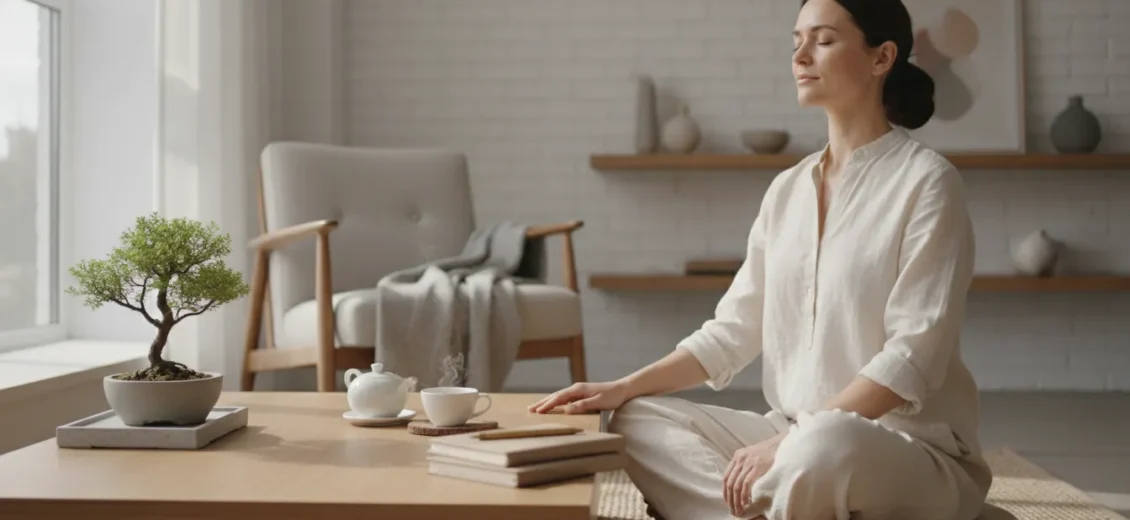

Table of Contents
- Introduction
- The Modern Definition of a Zen Office Space
- Physical Design: The Foundation of Calm
- Functional Zoning for Mental Clarity
- Operational Support: The Secret to True Zen
- Member Connection: Peace Through Community
- Practical Scenarios for a Zen Experience
- Integrating Zen into Your Company Culture
- The Cost of Traditional vs. Zen Flex Space
- Growth and Innovation: The Workbox Ventures Layer
- Creating Your Own Zen: A Step-by-Step Checklist
- Why “Success Takes More” Than Just a Desk
- Conclusion: Finding Your Flow at Workbox
- FAQ
Introduction
Does your workday feel like a constant battle against distraction? Imagine walking into an environment where the clutter of administrative tasks is handled for you, the physical space promotes clarity of thought, and your only responsibility is to focus on the work that matters. Many professionals mistake a “zen” office for a simple aesthetic choice involving a few plants and a desk lamp. In reality, a truly balanced workspace is a strategic asset that combines physical design, operational ease, and intentional community connection.
The purpose of this guide is to explore how to create a zen office space that goes beyond surface-level decor to support deep work and professional growth. We will cover the essential design principles of a calm environment, the importance of removing operational friction, and how a purposeful community can actually enhance your mental clarity. At Workbox, our philosophy is centered on Member Success—the idea that a workspace should be a platform for growth, not just a place to sit. By the end of this article, you will understand how to curate a professional environment that fosters both peace of mind and business momentum.
The Modern Definition of a Zen Office Space
When we discuss how to create a zen office space in a professional context, we are talking about the removal of “noise.” This noise can be physical—like a messy desk or a loud hallway—but it can also be cognitive. Cognitive noise includes the stress of managing a lease, fixing a broken printer, or feeling isolated in your professional journey.
A zen workspace is one where “Workspace with a Purpose” is the guiding principle. It is an environment designed to minimize distractions and maximize “flow,” a state of high productivity and focused engagement. This requires a holistic approach: the space itself, the community that surrounds you, and the enabling layer of resources that support your business.
Physical Design: The Foundation of Calm
The most immediate way to influence your headspace is through your physical surroundings. A zen office space should feel open, clean, and intentional.
Prioritizing Natural Light and Air
One of the most effective ways to foster a sense of peace is to maximize exposure to natural light. Studies have consistently shown that natural light improves mood and energy levels, which are critical for maintaining a calm demeanor during a high-stakes workday. When selecting a workspace, we prioritize locations with large windows and open layouts that allow light to permeate the floor.
If you are in a private office or suite, consider how you position your furnished desks and chairs to take advantage of the sun’s path throughout the day. Complementing this with greenery—live plants that improve air quality and provide a visual “reset”—can further ground the environment in nature.
Minimalism and Intentionality
A zen space is a minimalist space. This doesn’t mean the room must be empty, but rather that every item in it should serve a purpose.
- Declutter the Desk: Keep only the essentials on your surface.
- Digital Organization: Zen extends to your screen. A cluttered desktop can be just as stressful as a cluttered room.
- Company Identity: In our private offices and suites, we include company logo placement on the office door at no additional cost. This provides a sense of belonging and professional identity without cluttering the internal workspace with unnecessary signage.
Functional Zoning for Mental Clarity
A common challenge in modern offices is the “one-size-fits-all” approach to space. A zen office space requires variety. You cannot expect to find mental peace if you are trying to conduct a sensitive client call in the same spot where you are trying to do deep data analysis.
Leveraging Phone Booths and Meeting Rooms
To maintain a calm atmosphere in the main work areas, it is essential to have dedicated spaces for high-energy or vocal tasks.
- Phone Booths: These are perfect for quick calls or moments when you need a tighter, more enclosed environment to focus.
- Private Meeting Rooms: For collaborative sessions or formal presentations, using a dedicated meeting room (starting at $60/hr for non-members) ensures that the energy of a group discussion doesn’t bleed into the shared workspace.
For a consultant juggling client meetings and deep work, reserving a professional meeting room when needed—while using a membership for focused work—creates a predictable weekly rhythm that reduces the stress of “finding a spot” to talk. Explore our meeting rooms and event spaces to see options and hourly rates. (https://www.workboxcompany.com/host-an-event/)
The Wellness Room as a Reset Button
Sometimes, creating a zen office space means stepping away from the “office” part entirely for a few minutes. We offer wellness rooms across our locations to provide members with a private space for a mental reset, whether that involves meditation, prayer, or simply five minutes of silence. Having a dedicated room for personal well-being is a cornerstone of a balanced professional life.
Operational Support: The Secret to True Zen
You can have the most beautiful, light-filled office in the world, but if the internet is down or the coffee has run out, your “zen” will evaporate instantly. This is where the distinction between a traditional office and a managed workspace becomes clear.
Removing the Administrative Burden
Traditional office models often force founders and team leads to act as part-time office managers. Coordinating internet, utilities, cleaning, and supplies is a significant cognitive load. At Workbox, we provide a seamless operational backbone.
- Fast, Secure Wi-Fi & Ethernet: Reliability is the ultimate stress-reducer.
- Professional Cleaning: A clean environment is a calm environment.
- Stocked Amenities: Complimentary coffee, tea, and filtered water are always available, ensuring you never have to worry about the logistics of the breakroom.
By bundling these essentials, we reduce the day-to-day office administration that often plagues growing companies. This operational support allows you to focus entirely on your “Member Success” rather than the minutiae of facility management. Learn more about our all-inclusive membership benefits. (https://www.workboxcompany.com/workspace/#member-benefits)
Flexibility and Lower Commitment
Financial stress is a major barrier to a zen mindset. Conventional office leases often require 7–10 year commitments and massive upfront costs for furniture and setup. In contrast, our model offers much lower upfront commitments, with private offices and suites starting at $500/mo. This flexibility allows your workspace to scale with your business, providing a sense of security and adaptability that a rigid, long-term lease cannot offer.
If you’re evaluating options, our workspace memberships and pricing page outlines private offices, desk memberships, and floating membership tiers. (https://www.workboxcompany.com/workspace/#workspace-memberships-pricing)
Member Connection: Peace Through Community
Isolation is the enemy of a zen work-life balance. Being a “leader at the top” or a “solopreneur” can be incredibly taxing. A zen office space should connect you to a powerful network of other innovators and leaders, providing a sense of shared journey and support.
High-Quality Member-to-Member Interactions
We design our spaces to facilitate network building. This isn’t about forced networking; it’s about purposeful programming and high-quality interactions.
- Weekly Community-Based Engagements: These provide consistent touchpoints to meet your neighbors.
- Quarterly Mixers: Larger events that allow for deeper professional connection.
- A Destination for Leaders: Nearly two-thirds of our member companies choose us as their corporate headquarters, creating an environment filled with serious professionals, investors, and innovators.
When you are surrounded by people who are also striving for success, the “noise” of self-doubt is often replaced by the “signal” of collective motivation. This is a key component of our Member Connection pillar.
Access to Business Development Resources
True peace of mind comes from knowing you have the resources to succeed. Our “Business Development” layer provides members with more than just a desk.
- Virtual Platform: Access to resources and a network of innovators across the country.
- Capital Partner Connections: For those in the growth stage, we offer programming and networking events with capital partners and founders. (Note: While we provide connectivity to these networks, there are no guarantees of funding).
- Vendor Discounts and Cloud Credits: These practical resources reduce the “burn” of running a startup, further contributing to a zen operational state.
Practical Scenarios for a Zen Experience
The Transitioning Team
For a small team transitioning out of coffee shops or a home basement, a private office gives them consistency, privacy for calls, and a home base while still staying connected to a broader professional community. The move from a chaotic, unpredictable environment to a managed suite with their logo on the door creates an immediate shift in the team’s professional presence and internal focus.
The National Professional
For a professional who travels frequently between cities, having a home base with 24/7 access—and 8:30am–5:00pm access to any other Workbox location nationwide—provides a “zen” consistency. No matter which city they are in, they know they have a professional, clean, and reliable place to work. Check our locations to find a Workbox near you. (https://www.workboxcompany.com/locations/)
Integrating Zen into Your Company Culture
Creating a zen office space is as much about the “how” as it is about the “where.” Once the physical and operational foundations are in place, how you use the space matters.
Establishing Boundaries
Encourage your team to use the designated areas for their intended purposes. Use phone booths for calls so that the main workspace remains a place of relative calm for those doing deep work. Utilize the wellness room when a “reset” is needed.
Leveraging Professional Support
Take advantage of the dedicated community manager on-site. Their role is to ensure the environment is functioning perfectly, so you don’t have to. If a lightbulb needs changing or you need help with mailing and packaging services (available to members with a Floating Membership or higher), let the operational support team handle it.
Purposeful Engagement
Zen isn’t just about sitting still; it’s about moving with purpose. Engage in the community events that align with your business goals. Whether it’s a quarterly mixer or a business development workshop, these activities should feel like a natural extension of your growth strategy, not a distraction from it.
The Cost of Traditional vs. Zen Flex Space
While we don’t focus solely on the bottom line, it’s worth noting that a “zen” traditional office is incredibly expensive to build and maintain. To get the same level of design, cleanliness, and amenities in a traditional lease, a company would have to manage multiple vendors and pay high premiums for small-scale services.
In our flex model, those costs are distributed across the community, giving you access to premium amenities—like filtered water, draft beer (where applicable), and fast, secure Wi-Fi—at a fraction of the operational cost and zero of the operational headache. This “bundled” approach is a fundamental part of providing a stress-free environment for our members.
Growth and Innovation: The Workbox Ventures Layer
For members who are specifically focused on the startup and innovation ecosystem, the presence of Workbox Ventures adds another layer of “purpose” to the workspace. While we are a coworking and office space platform first, we are also a destination for investors and founders.
Knowing that your workspace is a hub for capital partners and business leaders provides a unique professional advantage. (As a reminder, our ventures-related content is for informational purposes only and does not constitute investment advice or a guarantee of funding). Being in an environment where success is the common denominator helps quiet the “noise” of the competitive landscape, allowing you to focus on your own business milestones.
Creating Your Own Zen: A Step-by-Step Checklist
If you are looking to transform your current work life into a more “zen” experience, consider these steps:
- Audit Your Friction: Identify the things that stress you out daily. Is it the slow internet? The messy kitchen? The lack of a place to take a private call?
- Choose a Managed Solution: Move your operations to a space where these friction points are managed for you.
- Optimize Your Immediate Space: If you have a private office, keep it minimalist. Use the included furniture to create an open, airy feel.
- Schedule Your “Social Zen”: Don’t wait for community to happen to you. Mark the weekly engagements and quarterly mixers on your calendar as part of your professional development.
- Utilize Zoning: Stop trying to do everything at one desk. Use the conference rooms for meetings, phone booths for calls, and wellness rooms for breaks.
If you’d like to see how these options map to real offerings, review our workspace membership tiers and pricing. (https://www.workboxcompany.com/workspace/#workspace-memberships-pricing)
Why “Success Takes More” Than Just a Desk
The reason we emphasize Member Connection, Operational Support, and (where relevant) Capital Access is that we know a desk and a chair are not enough to build a successful company. A “zen” office is not a place where you go to hide from the world; it is a place where the world is filtered into its most useful, productive parts.
By providing a professional presence, a seamless operational backbone, and a community of innovators, we allow our members to operate at their highest level. That is the true meaning of “Workspace with a Purpose.”
Conclusion: Finding Your Flow at Workbox
Creating a zen office space is a strategic decision that impacts your productivity, your team’s morale, and your business’s bottom line. It requires more than just a minimalist desk; it requires a supportive ecosystem that removes administrative burdens and connects you with a meaningful professional community.
By focusing on functional design, operational support, and member connectivity, you can create an environment where focus becomes your natural state. At Workbox, we are dedicated to providing that environment through our unique Member Success philosophy. We handle the “noise” of running an office so you can focus on the “signal” of growing your business.
Are you ready to experience a workspace that actually supports your success? Whether you are a solopreneur looking for a Floating Membership or a scaling team in need of a Private Suite, we have a solution designed for your professional journey.
Explore our locations today, schedule a tour, and see how a “Workspace with a Purpose” can transform your workday. We are here to help you navigate your office needs and connect you with a community of leaders and innovators. Book a tour to get started. (https://www.workboxcompany.com/#booktour)
FAQ
How to create a zen office space in a shared environment?
In a shared environment, creating “zen” is about utilizing the different zones of the workspace effectively. Use phone booths for private calls to maintain the tranquility of the main area, and keep your personal desk minimalist and clutter-free. Leveraging the operational support of the community manager ensures that you don’t have to deal with the stress of facility maintenance, allowing you to stay in a focused “flow” state.
What are the best zen office decor ideas for a private suite?
For a private suite, focus on biophilic design—incorporating plants and maximizing natural light. Since we provide furnished desks and chairs, you can focus on adding personal touches like a small desk fountain, a high-quality lamp with warm lighting, or minimal art. Remember, we also include your company logo on the door, which helps establish a professional, grounded identity for your team.
What are the benefits of a peaceful workspace for business growth?
A peaceful workspace reduces cognitive load, meaning you have more mental energy to solve complex problems and make strategic decisions. By removing “operational friction”—like managing utilities or fixing technology—you can dedicate your time to business development and member connection. A calm environment also improves team retention and satisfaction, as employees feel less “frazzled” by their surroundings.
Can a coworking space really be zen?
Yes, if it is designed with “Member Success” in mind. A zen coworking space is one that prioritizes functional zoning and professional community. At Workbox, we ensure that while there are plenty of opportunities for high-quality member-to-member interactions and networking, there are also private offices, meeting rooms, and wellness rooms available for those moments when you need a quieter environment in a private space.