skip to main content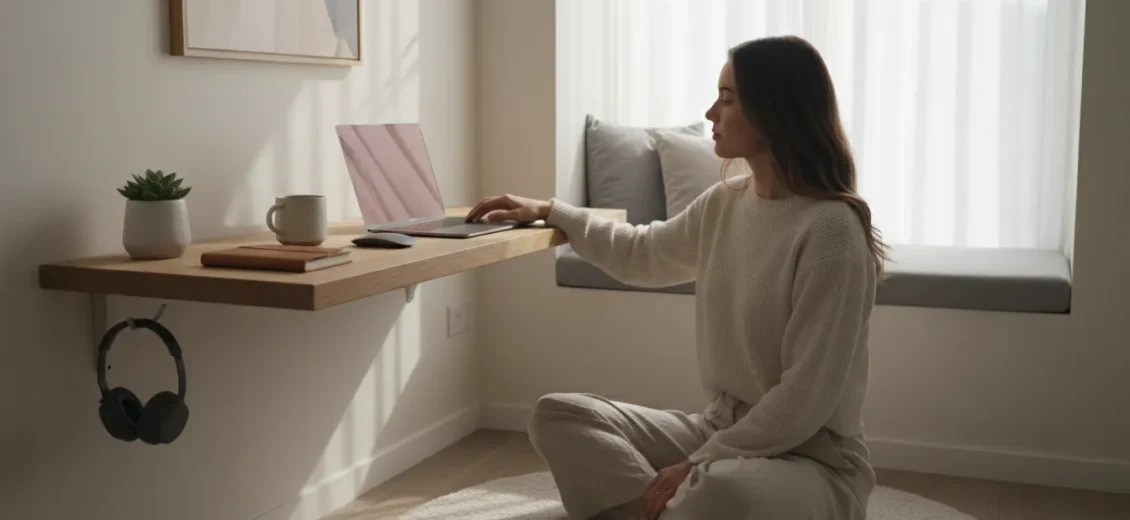
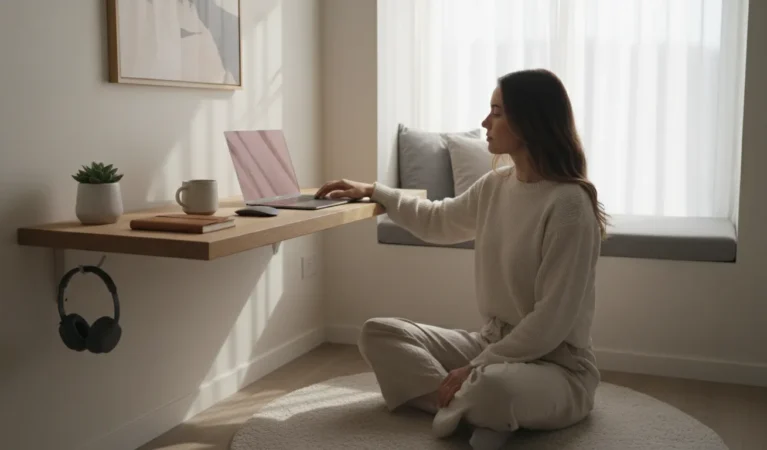
Table of Contents
- Introduction
- Evaluating Your Available Space
- Selecting Furniture with a Purpose
- Mastering Vertical Storage and Organization
- Lighting and Aesthetic Choices
- Managing the Technical Infrastructure
- When Small Spaces Limit Growth
- Scaling Your Professional Presence
- The Business Development Layer
- Making the Practical Choice
- Conclusion
- FAQ
Introduction
Have you ever found yourself mid-video call, strategically angling your webcam to hide a pile of laundry or a half-finished kitchen project? For many founders, freelancers, and remote teams, the “office” is often a reclaimed corner of a bedroom, a narrow hallway, or even a converted closet. The challenge isn’t just about physical square footage; it is about creating an environment that fosters professional focus without letting the clutter of daily life bleed into your work.
In this guide, we will explore the practical strategies for setting up an office in a small space, from choosing the right furniture to mastering vertical storage. We will also examine the transition point where a DIY setup might start to hinder your professional growth. Ultimately, success in a compact workspace requires a balance of smart design, intentional boundaries, and a supportive operational backbone that allows you to focus on what matters most: your business.
Evaluating Your Available Space
Before purchasing a single piece of furniture, the first step is to audit your environment. A common mistake is assuming that any flat surface can become a productive desk. Instead, you must look for areas that offer three critical elements: access to power, decent lighting, and a sense of “destination.”
The “Cloffice” and the Nook
One of the most popular trends for small-space living is the “cloffice”—a closet office conversion. By removing the doors or using a slim-profile desk inside the frame, you can create a dedicated zone that “closes” at the end of the day. Similarly, under-stair nooks or hallway alcoves can be utilized. These areas are often architectural “dead zones” that, when properly outfitted, provide a surprising amount of privacy.
Delineating Boundaries
In an open-concept studio or shared living room, visual cues are essential. We recommend using a rug or a different paint color to “anchor” the office zone. This creates a psychological boundary that signals to your brain—and anyone you live with—that you are now in a workspace.
Selecting Furniture with a Purpose
In a small office, every inch of furniture must earn its keep. Oversized executive desks are the enemy of productivity in tight quarters. Instead, focus on pieces that prioritize a minimal footprint and maximum utility.
Compact and Floating Desks
A floating desk, mounted directly to the wall, is a game-changer for small rooms. By eliminating desk legs, you free up floor space for a trash bin or a small rolling file cabinet, making the room feel larger. If wall-mounting isn’t an option, look for a “writing desk” or “apartment-sized” desk, which typically has a depth of 20 to 24 inches—enough for a laptop and a notepad without encroaching on walkways.
Adjustable Seating
While it is tempting to use a dining chair to save space, your back will likely pay the price. We suggest a slim task chair or an armless model that can tuck completely under the desk when not in use. The goal is to find a chair that provides support for long hours of focus while maintaining a light visual profile.
Multi-Functional Layouts
For those who need more surface area, an L-shaped corner desk can utilize under-used corner space. Another option is the Murphy desk—a wall-mounted unit that folds down to reveal a work surface and folds back up to look like a simple cabinet. This “now-you-see-it, now-you-don’t” approach is ideal for multi-purpose rooms.
Mastering Vertical Storage and Organization
When you cannot expand horizontally, you must build up. Vertical space is the most underutilized asset in a small office.
Shelving and Pegboards
Install floating shelves above your desk for items you don’t need every hour, such as reference books or decorative touches. For the items you do use frequently, a wall-mounted pegboard is a professional-grade solution. It allows you to hang cables, headphones, scissors, and planners, keeping your desk surface entirely clear for deep work.
The “Purge” Mindset
Clutter is the primary reason small offices fail. We advocate for a “daily reset” routine. At the end of every workday, clear your desk of everything except the absolute essentials. Use small trays or decorative boxes to corral loose items like pens and paperclips. If a document hasn’t been touched in a month, it should be filed away or shredded. In a small space, your desk is a “deal-with-it-now” zone.
Lighting and Aesthetic Choices
The right lighting can transform a cramped corner into an inspiring workspace. Poorly lit spaces often feel smaller and can lead to eye strain and fatigue.
Layered Lighting
Relying solely on overhead lighting often creates harsh shadows. We recommend a combination of natural light and task lighting. Position your desk near a window if possible, but ensure the light hits your screen from the side to avoid glare. Add a small, adjustable desk lamp for focused work. If desk space is at a premium, look for clip-on lamps or LED strips that can be mounted under your shelves to illuminate the desk surface without taking up any footprint.
Color and Perception
Light, neutral tones like off-white, light gray, or beige can help a small room feel more open and airy. However, don’t be afraid of a “bold” accent wall. A single wall in a deep navy or forest green can add depth and a professional backdrop for video calls. To further enhance the sense of space, consider adding a mirror opposite a window to reflect light and create the illusion of more square footage.
Managing the Technical Infrastructure
Cables are the “spider’s nest” of a small office. A tangle of wires on the floor or desk not only looks unprofessional but also creates physical clutter that makes the space feel smaller.
Cable Management
Mount a power strip to the underside of your desk using adhesive strips. Use cable clips or sleeves to guide cords down a single desk leg. For a truly clean look, wireless peripherals—like a Bluetooth mouse and keyboard—can significantly reduce the number of wires crossing your desk.
The Problem with DIY Infrastructure
While setting up a small office at home is a great starting point, it comes with a hidden “operational burden.” Managing your own high-speed internet, coordinating cleaning, and handling your own mail and package logistics can eat into the time you should be spending on business development. This is where many professionals begin to look for a more streamlined solution.
When Small Spaces Limit Growth
For a consultant juggling client meetings and deep work, or a small team transitioning out of a “cloffice” or coffee shop environment, there comes a point where a home setup is no longer sufficient. Perhaps you need a more professional address for your corporate headquarters, or you find that the lack of community connection is stifling your creativity.
This is where a flexible workspace model becomes a strategic asset. Moving from a cramped home office to a professional environment like Workbox’s flexible workspace isn’t just about getting a bigger desk; it is about shifting the operational burden off your shoulders.
The Operational Support Advantage
One of the primary benefits of transitioning to a flexible workspace is our seamless operational backbone. Instead of spending your weekends coordinating with internet providers, janitorial services, or utility companies, we handle all the workplace overhead from day one. Our members enjoy included membership benefits and amenities:
- Fast, secure Wi-Fi and Ethernet
- Professional cleaning services
- Mailing and packaging services (available for Floating Memberships and higher)
- Access to private conference rooms for high-stakes meetings
- A dedicated community manager to assist with day-to-day needs
By bundling these essentials, you reduce the administrative burden of running an office, allowing you to focus entirely on your “Member Success.”
Scaling Your Professional Presence
As your business grows, your workspace should grow with you. Many of our members start with a Desk Membership and eventually transition into Private Offices or Suites.
A Destination for Leaders
At Workbox, we view workspace as “Workspace with a Purpose.” It is more than just a place to sit; it is a platform for connection. Nearly two-thirds of our member companies choose Workbox as their corporate headquarters because we provide the professional presence they need to attract talent and impress clients. This includes the option for company logo placement on your office door at no additional cost—a small touch that makes a significant impact on brand identity.
Member Connection and Connectivity
Working in a small space at home can often feel isolating. We solve this by facilitating high-quality member-to-member interactions. Through weekly community-based engagements and quarterly mixers, our spaces are designed to facilitate network building. Our members have access to a powerful network of other innovators and leaders, creating opportunities for collaboration that simply don’t happen at a kitchen table.
The Business Development Layer
What truly differentiates the Workbox experience from a traditional small-office setup is our “Business Development” layer. We provide more than just four walls and a desk; we provide resources to help you scale.
Resources for Growth
Our members have access to a virtual platform filled with business-development resources, including vendor discounts and cloud credits. We also host purposeful programming and provide access to partnership events across the country. These connections support greater professional growth and provide access to a network of capital partners, business leaders, and founders. For those in the innovation and startup space, our connectivity to the broader ecosystem—including Workbox Ventures for relevant fundraising and innovation topics—provides a layer of support that a DIY home office cannot match.
Making the Practical Choice
Setting up an office in a small space is a valuable skill for any professional, but it is important to recognize when “small” becomes “stifling.” If you find that you are spending more time managing your workspace than your business, or if you miss the energy of a professional community, it may be time to consider a change.
Transitioning to a flexible workspace allows you to trade the high upfront commitments and 7-to-10-year leases of traditional offices for a more agile model. At Workbox, our Private Offices and Suites start at $500/mo, Desk Memberships start at $350/mo, and Floating Memberships start at $250/mo (pricing varies by location and availability). This flexibility allows you to scale your space as your team grows, without the headache of a long-term lease negotiation or the cost of furnishing a full office from scratch.
Conclusion
Creating a functional office in a small space is a masterclass in intentionality. By prioritizing vertical storage, selecting multi-functional furniture, and managing your technical infrastructure, you can build a productive sanctuary even in the tightest of quarters. However, the most successful leaders know that a workspace should be an engine for growth, not a source of administrative stress.
Whether you are just starting out in a “cloffice” or you are ready to move your team into a professional suite, focus on a setup that supports your health, your focus, and your professional connections. At Workbox, we are committed to helping our members find that balance through a combination of beautiful spaces, a supportive community, and an enabling layer of resources.
Ready to take your workspace to the next level? Explore our Workbox locations and book a tour to see how our Member Success philosophy can help your business thrive.
FAQ
How do I choose the best desk for a very small room?
In a small room, you should prioritize a desk with a slim profile or a floating design. A “writing desk” with a depth of about 20–24 inches is usually sufficient for a laptop setup without blocking walkways. If you need the space to serve multiple purposes, a fold-down Murphy desk or a wall-mounted unit can reclaim floor space when you aren’t working.
Can a closet really function as a professional office?
Yes, a “cloffice” is a highly effective way to separate work from life in a small home. To make it professional, ensure you have adequate layered lighting (such as LED strips under shelves) and proper ventilation, such as a small USB fan. Using vertical organizers like pegboards will help keep the limited desk surface clear for your work essentials.
What is the most important factor in a small office layout?
The most important factor is the management of physical and visual clutter. In a small footprint, clutter makes the space feel smaller and increases stress. Prioritize vertical storage to get items off the floor and desk, and implement a “daily reset” routine where you clear your workspace every evening to maintain a professional environment.
When should I move my small office into a professional workspace?
You should consider moving when your current space limits your productivity, professional growth, or ability to connect with others. Common signs include a lack of privacy for calls, a growing team that no longer fits in a home setting, or a desire for a professional corporate address. A flexible workspace like Workbox provides the operational support and community connectivity that a home office lacks.