skip to main content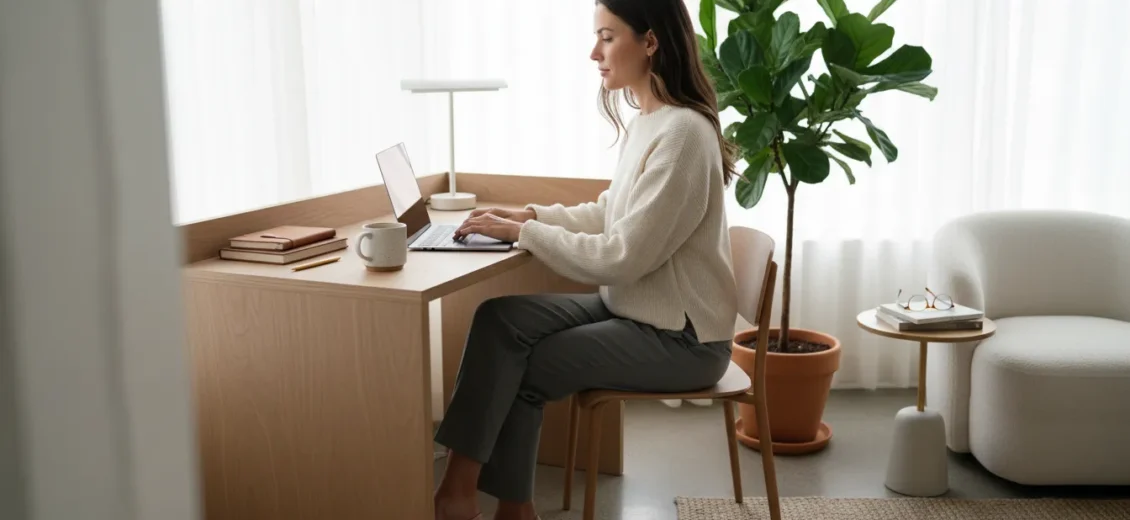
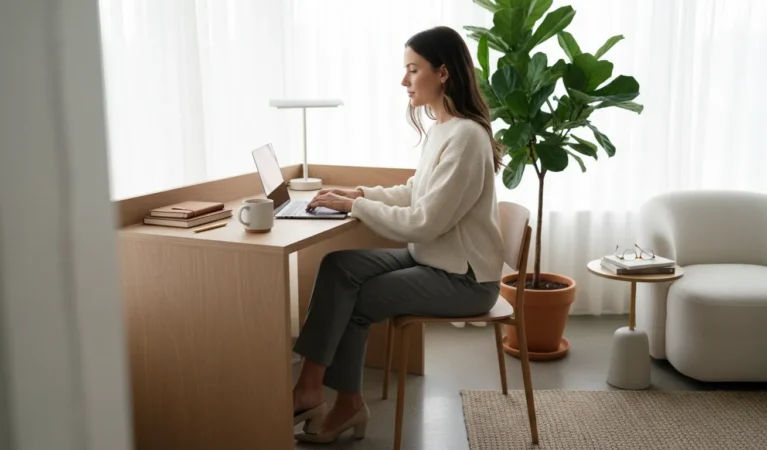
Table of Contents
- Introduction
- Prioritizing the Purpose of Your Space
- Maximizing the Physical Footprint
- The Technical Backbone of a Small Office
- Creating a Professional Presence
- The Psychological Challenges of Small Spaces
- Operational Support: Reducing the Administrative Burden
- Scalability: When the Small Space is No Longer Enough
- Designing for Success: A Practical Scenario
- Enhancing Productivity with Purposeful Programming
- Practical Tips Summary for Your Small Office
- Conclusion
- FAQ
Introduction
Can a closet, a corner of a bedroom, or a repurposed hallway truly function as a high-performance workspace? Many professionals have found themselves staring at a few square feet of unused real estate, wondering if it is possible to transition from a temporary “work-from-home” setup to a legitimate professional headquarters. The challenge of a small office is not just about where the desk fits; it is about how the environment supports deep work, professional credibility, and long-term growth.
The purpose of this guide is to provide a blueprint for transforming limited physical footprints into productive environments. We will explore everything from spatial optimization and technical requirements to the psychological boundaries necessary for success. However, we will also look at the limitations of the “micro-office” and how professionals can leverage a broader ecosystem of support to ensure their business thrives. At Workbox, we believe that success takes more than just a desk and a chair. It requires a strategic approach to workspace that balances individual focus with professional connectivity.
Ultimately, turning a small space into an office is a lesson in intentionality. By focusing on essential layout principles, reducing administrative friction, and staying connected to a wider network, you can create a workspace that doesn’t just fit your current needs but scales with your ambitions.
Prioritizing the Purpose of Your Space
Before picking up a measuring tape or ordering furniture, it is essential to define what “work” actually looks like for you. A small office for a software developer looks very different from one for a consultant or a creative director. In a limited area, every inch must be justified by its utility.
Identifying High-Impact Activities
We suggest starting with an audit of your daily routine. Do you spend most of your day on video calls? If so, lighting and background professionality become your primary concerns. Are you performing deep, focused work that requires zero distractions? In that case, physical boundaries and acoustic management are the priority.
For many of our members, the workday is a hybrid of these needs. They might spend the morning in a private office for focused tasks and the afternoon in collaborative environments or meeting rooms. When you are working within a small footprint at home or in a satellite location, you must decide which of these activities is the “hero” of the space and which ones should be externalized to a professional environment.
The Myth of Doing Everything in One Spot
One of the biggest mistakes in small-office design is trying to make a four-by-four-foot area do everything. A small space is often best served as a “focus hub” rather than a multipurpose suite. By acknowledging that certain tasks—like hosting clients or holding large team brainstorms—are better suited for external professional spaces, you can simplify your small-office design significantly. This approach allows you to focus your limited budget and space on the tools you use most frequently.
Maximizing the Physical Footprint
When you are learning how to turn a small space into an office, you have to think like an architect. Standard office furniture is often too bulky for tight quarters, and traditional layouts can quickly make a room feel claustrophobic.
Vertical Thinking
When floor space is at a premium, the walls are your best friend. Floating shelves, wall-mounted organizers, and vertical filing systems keep the desk surface clear. A cluttered desk in a small room can lead to a cluttered mind, which hampers productivity. By moving non-essential items—like reference books, extra stationery, or hardware—to higher shelving, you maintain a sense of openness.
Choosing the Right Furniture
In a small office, we recommend selecting pieces that are proportional to the room. A massive executive desk will overwhelm a small corner. Instead, look for streamlined, furnished desks that provide enough surface area for your primary devices without protruding too far into the walking path.
Lighting is another critical physical component. Natural light is ideal for maintaining focus and mood, but in a small space, it can also cause glare on screens. Using a combination of overhead lighting and adjustable desk lamps allows you to control the environment throughout the day. Avoid bulky floor lamps that take up valuable real estate; instead, opt for clip-on lights or integrated desk lighting.
Defining Boundaries
In a small office, especially one within a residence, physical boundaries are psychological cues. Even a rug can serve as a “zone” that signals to your brain that you are now in work mode. If your small office is in a multi-use room, consider using a high-quality room divider or even a bookshelf to create a visual barrier. This separation is vital for maintaining work-life balance and ensuring that “home” doesn’t bleed into “office” and vice versa.
The Technical Backbone of a Small Office
A beautiful office is useless if the technology doesn’t support your workflow. In a small space, cable management and connectivity are the two most common hurdles.
Secure and Reliable Connectivity
Fast, secure Wi-Fi is the lifeblood of the modern professional. In a small office, you might be tempted to rely on a standard home router, but as your business grows, the need for a more robust connection becomes apparent. We often see professionals struggle with signal drops or slow speeds when they are tucked away in a back room or a converted garage. If you are serious about your professional presence, investing in a dedicated mesh network or a wired Ethernet connection is a non-negotiable step.
Managing the “Cable Nest”
Nothing makes a small space feel smaller than a tangle of wires under the desk. We recommend using cable trays, zip ties, and under-desk mounts to keep everything organized. This isn’t just about aesthetics; it’s about operational efficiency. When you need to swap out a piece of hardware or move your setup, you shouldn’t have to spend an hour untangling cords.
Reducing Hardware Drag
In a small office, bulky printers, scanners, and external drives can quickly consume your desk space. This is where a managed environment provides significant value. For many of our members, the ability to access unlimited printing and mailing services at a Workbox location means they don’t have to house that equipment in their private workspace. By externalizing the “hardware drag,” they keep their personal office lean and focused on their primary work tools.
Creating a Professional Presence
One of the most difficult aspects of turning a small space into an office is maintaining a high level of professional credibility. If you are a founder or a consultant, your workspace often serves as the backdrop for your interactions with the outside world.
The Virtual Backdrop vs. Reality
While video call backgrounds can hide a laundry basket or a bed, they can sometimes feel impersonal or glitchy. Creating a “pro corner” within your small space—with a clean wall, a few professional books, or a simple piece of art—ensures that you project the right image.
Business Address and Mail Handling
Using a residential address for a business can sometimes create friction with clients, banks, or state agencies. For professionals operating out of a small home space, a major step in “turning it into an office” is securing a professional business address. At Workbox, we provide mailing and packaging services for our members (Floating Membership or higher), which allows them to use a prestigious commercial address rather than their home location. This simple shift in operational support can have a profound impact on how your business is perceived.
Client Meetings
A small office is rarely the right place to host a client. When you need to move from a “heads-down” work mode to a “presentation” mode, having access to private conference rooms is essential. Imagine a consultant who spends four days a week working from a meticulously organized home-office nook but spends Fridays in a professional Workbox meeting room to review strategies with clients. This hybrid approach provides the best of both worlds: the convenience of a small personal space and the credibility of a premium office environment.
The Psychological Challenges of Small Spaces
Working in a confined area for eight to ten hours a day can lead to a sense of isolation or “cabin fever.” To be successful in a small office, you must proactively manage your mental environment.
The Importance of Variety
Research suggests that a change of scenery can boost creativity and prevent burnout. If your office is small, make it a point to step away regularly. At Workbox, our members have the flexibility to move between their private desks and our vibrant community areas. Even if you are dedicated to your small space for deep work, knowing you have access to 8:30 am to 5:00 pm access at any Workbox location nationwide allows for the variety that keeps a professional mind sharp.
Combatting Isolation through Member Connection
One of the hidden costs of a small, private office is the loss of spontaneous interaction. When you are tucked away, you miss out on the “water cooler” moments that often lead to new business opportunities or professional breakthroughs. We tackle this by prioritizing Member Connection.
Through weekly community-based engagements and quarterly mixers, we ensure that even those who work in small, private suites are part of a larger, powerful network of innovators and leaders. Turning a small space into an office shouldn’t mean turning your back on the professional community.
Operational Support: Reducing the Administrative Burden
The most successful offices are the ones where the occupant spends the most time on their core business and the least time on “office management.” When you are running an office in a small space, the administrative burden can be surprisingly high.
The Hidden Tasks of Office Management
Who fixes the Wi-Fi when it goes down? Who orders the printer paper? Who ensures the space is cleaned and the coffee is stocked? In a traditional or home-office model, these tasks fall on your shoulders. This takes away from your “Member Success”—the actual growth of your business.
We frame our operational support as a seamless backbone that reduces this burden. By providing professional cleaning services, a dedicated community manager, and a fully stocked kitchen with complimentary coffee and tea, we handle the logistics. For a small team transitioning out of a cramped, makeshift setup, moving into a private office or suite at Workbox means they can operate smoothly from day one without the overhead of lease negotiations, utility setup, or furniture procurement.
Bundled Value vs. Traditional Overhead
When building a small office, many people underestimate the ongoing costs of supplies, technology, and maintenance. By choosing a flexible workspace model, these essentials are bundled into a single membership. This reduces the upfront commitment significantly—often moving from a multi-year traditional lease requirement to a much more flexible arrangement. This financial agility is crucial for startups and growing teams who need to keep their capital focused on business development rather than office overhead.
Scalability: When the Small Space is No Longer Enough
The goal of every professional is growth. Eventually, the small space you turned into an office will likely become too small. Recognizing the signs that you’ve outgrown your space is as important as the initial setup.
Signs of the “Ceiling”
- Hiring Needs: You can’t add a team member without someone sitting on a literal stool.
- Client Perception: You find yourself making excuses for why you can’t meet in person.
- Operational Drag: You are spending more time managing your small space than doing your actual job.
- Innovation Plateau: You feel isolated from the industry trends and connections that drive growth.
The Workbox Path to Success
For many companies, Workbox is their corporate headquarters because we allow for this transition. A founder might start with a Floating Membership, using our space for its professional address and community connectivity. As they grow, they might move to a Desk Membership, and eventually into one of our Private Offices or Suites, which start at $500/mo (depending on location).
Because we offer a destination for leaders and investors, the move from a small personal space to a Workbox suite isn’t just about getting more square footage; it’s about gaining access to a Business Development layer. This includes purposeful programming and access to partnership events that support professional connection.
Designing for Success: A Practical Scenario
Consider a freelance marketing strategist who has just turned a small spare closet into a “cloffice.” Physically, the space is perfect: a floating desk, great lighting, and organized shelving. However, six months in, they find they are struggling to land larger corporate contracts.
The challenge isn’t their talent or their desk; it’s the lack of an enabling layer. By joining a professional community, they gain:
- Professional Presence: Their business cards now list a recognized business district address.
- Operational Ease: They stop wasting time running to the local print shop for high-volume pitch decks because they have unlimited printing at their home-base location.
- Network Building: At a quarterly mixer, they meet a founder who needs exactly their skillset, a connection they never would have made from their closet office.
In this scenario, the “small space” was the starting line, but the flexible workspace platform was the engine for their success.
Enhancing Productivity with Purposeful Programming
A workspace should be more than just a place to sit; it should be a place that actively helps you work smarter. When you turn a small space into an office, you have to be your own “Head of Culture.” In a larger professional ecosystem, that role is handled for you.
Leveraging Resources
At Workbox, we provide access to a virtual platform and business-development resources that a standalone small office simply cannot replicate. This includes vendor discounts and cloud credits that help lower your operational costs. We also offer programming with capital partners and business leaders, giving you the kind of “Success Takes More” edge that usually requires a large corporate infrastructure.
The Role of the Community Manager
One of our most valued amenities is the dedicated community manager. If you are working in a small space alone, you are the IT department, the receptionist, and the janitor. In our locations, the community manager is there to facilitate introductions, manage the day-to-day operations of the building, and ensure that your experience is seamless. This allows you to stay in “founder mode” rather than “office manager mode.”
Practical Tips Summary for Your Small Office
If you are currently in the process of turning a small space into an office, here is a checklist of practical moves:
- Audit your gear: If you haven’t used a piece of equipment in three months, it doesn’t belong in a small office.
- Go wireless where possible: Reduce the “cable nest” to keep the area feeling open.
- Invest in “The Zoom Corner”: Ensure the three feet behind your chair look as professional as your work.
- Set a schedule: Since the space is small, you need to “leave” the office mentally even if you can’t move far physically.
- Outsource the heavy lifting: Use professional services for mail, printing, and meeting space to keep your physical footprint small but your professional footprint large.
Conclusion
Learning how to turn a small space into an office is a vital skill for the modern professional, but it is only the first step. While you can optimize a corner for maximum efficiency, true professional growth often requires more than just a well-organized desk. It requires a supportive operational backbone, a community of peers, and a professional presence that commands respect.
At Workbox, we specialize in helping professionals navigate this journey. Whether you are looking for a private suite to serve as your corporate headquarters or a desk membership that gets you out of the house and into a high-energy environment, we provide the “Workspace with a Purpose” that you need to succeed. Our holistic approach combines high-quality space with an enabling layer of resources, ensuring that your office—no matter how small it starts—is a launchpad for your greatest ambitions.
Ready to take your workspace to the next level? Success takes more, and we are here to provide it. Explore our locations and find the professional home that fits your business today.
FAQ
What is the best way to organize a small office?
To maximize a small office, focus on vertical storage and clear desk surfaces. Use floating shelves for books and hardware, and implement a robust cable management system to reduce visual clutter. Additionally, choosing furniture that is proportional to the space—such as a streamlined, furnished desk—can prevent the room from feeling cramped.
How do I maintain professional credibility in a small workspace?
Professional credibility is often maintained through external operational support. Using a professional business address for mail and LLC registration, rather than a home address, is a significant first step. Furthermore, having access to professional meeting rooms for client interactions ensures that you project a polished image that a small personal space might not provide.
When should I move from a home office to a professional suite?
You should consider moving when your current space limits your growth. Common indicators include the need to hire team members, a desire for a more professional environment to host clients, or feeling the negative effects of professional isolation. A private suite in a managed workspace like Workbox offers a seamless transition with lower upfront commitment than a traditional lease.
What are the technical requirements for a small home office?
A successful small office requires fast, secure Wi-Fi or Ethernet connectivity to handle video calls and large data transfers. You should also prioritize a dedicated “video-ready” area with good lighting. For professionals who need more, joining a workspace with unlimited printing and technical support can reduce the amount of bulky hardware you need to store in your small space.