skip to main content
 Smart Strategies to Maximize Space in a Small Office
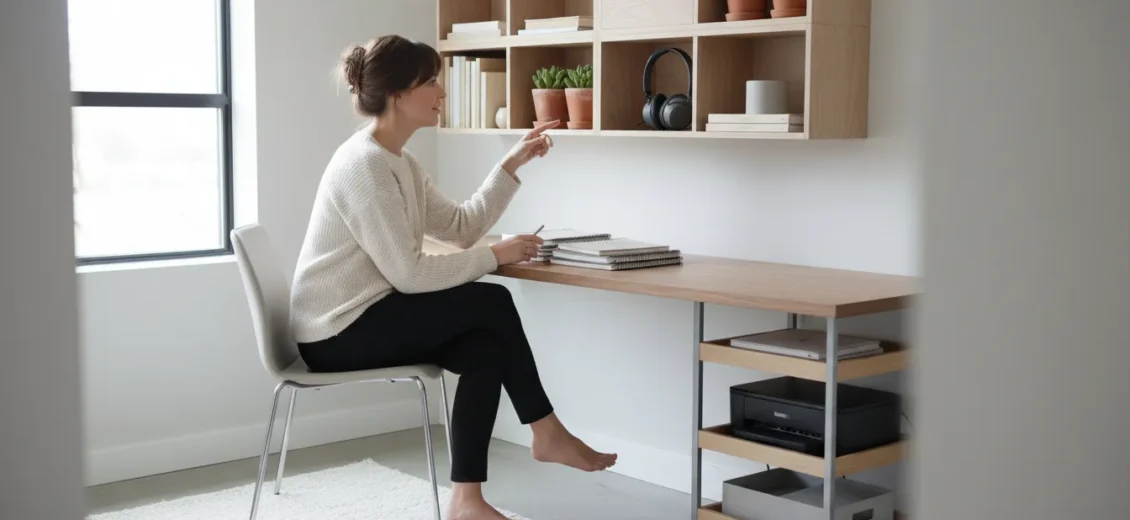
Table of Contents
- Introduction
- The Psychology of the Small Office
- Strategic Layouts and Design Principles
- Decluttering as a Strategic Tool
- Leveraging Shared Amenities
- Operational Support and Member Success
- Member Connection and Business Development
- Practical Scenarios: Maximizing Space in Action
- Technology: The Great Space Multiplier
- Creating a Professional Presence
- Sustaining Growth Through Operational Support
- Conclusion
- FAQ
Introduction
Is your office working for you, or are you working around your office? For many founders and small team leaders, the physical workspace often feels like a puzzle with missing pieces. You have the talent and the vision, but as your team grows or your needs shift, the walls can feel like they are closing in. The challenge isn’t just about fitting more desks into a room; it’s about creating an environment that fosters high-level productivity, maintains professional polish, and supports the well-being of every team member.
In this guide, we will explore how to maximize space in a small office through strategic design, digital transformation, and a shift in how we view the “corporate headquarters.” We will move beyond basic organization tips to look at how workspace choice, operational support, and community connectivity play a fundamental role in your company’s success. Whether you are a consultant transitioning out of a home office or a scaling startup team of ten, the goal is to transform every square foot into a strategic asset.
At Workbox, we view workspace as a platform for Member Success. We believe that a well-optimized office is the foundation of a “Workspace with a Purpose,” allowing you to focus on your core mission while the environment handles the friction of daily operations. By the end of this article, you will have a clear roadmap for maximizing your physical footprint and understanding why nearly two-thirds of our member companies choose us as their primary corporate headquarters.
The Psychology of the Small Office
Before moving a single piece of furniture, it is crucial to understand the psychological impact of a small workspace. A cluttered or cramped environment doesn’t just look unprofessional; it can actually impede cognitive function and increase stress levels. When space is limited, every visual distraction is magnified.
To maximize space effectively, we must first address the “perceived” space. This involves using light, transparency, and intentional layout to create a feeling of openness. For instance, replacing solid partitions with glass or utilizing a quieter environment in a private space that still offers views of a larger communal area can make a small room feel expansive. At Workbox, our spaces are designed to facilitate this balance, providing private suites that feel connected to a broader, high-energy professional network.
Zones Over Rooms
In a small office, traditional rooms are a luxury. Instead, think in “zones.” A zone-based layout designates specific areas for different types of work: deep focus, collaborative brainstorming, and administrative tasks. By defining these areas, even within a single room, you create a mental shift for your team. This prevents the “desk-bound” fatigue that often plagues small offices.
Strategic Layouts and Design Principles
When considering how to maximize space in a small office, your layout is your most powerful tool. A common mistake is pushing all furniture against the walls, which can actually make the center of the room feel like dead space.
The Vertical Advantage
In a small footprint, the floor is your most precious commodity. To free it up, look up. Vertical storage solutions—such as tall shelving units, wall-mounted organizers, and overhead cabinets—allow you to store essential files and supplies without sacrificing floor space. However, it is important to keep vertical storage organized. Use uniform bins and clear labels to maintain a professional aesthetic.
Multi-Functional Furniture
The era of the heavy, single-purpose mahogany desk is over. Modern small offices thrive on flexibility. Look for furniture that can pull double duty. This might include:
- Nesting tables that can be expanded for team meetings and tucked away for individual work.
- Mobile pedestals that serve as both filing cabinets and extra seating for quick huddles.
- Modular desks that can be reconfigured as your team size fluctuates.
At Workbox, our private offices and suites come furnished with desks and chairs, removing the upfront burden of sourcing and assembly while ensuring a cohesive, professional look from day one.
Lighting and Color Palette
Lighting can make or break a small office. Natural light is the gold standard, as it opens up the space and improves mood. If your small office lacks large windows, use high-quality LED lighting that mimics natural daylight.
Color choice is equally vital. Light, neutral tones like soft whites, grays, and beiges reflect light and make walls appear to recede. You can add brand personality through smaller accents, but keeping the primary surfaces light will prevent the space from feeling cave-like.
Decluttering as a Strategic Tool
You cannot maximize space in a small office if it is filled with things you don’t need. Decluttering is not a one-time event; it is a strategic habit.
The “Paperless” Transition
The biggest space-taker in most traditional offices is paper. Filing cabinets, stacks of mail, and overflowing printers consume vast amounts of square footage. Moving toward a digital-first workflow is the most effective way to reclaim that space. Cloud-based storage and project management tools allow your “filing cabinets” to live in the cloud, accessible from anywhere.
Cable Management
Nothing makes a small space feel more chaotic than a “spaghetti” of power cords and Ethernet cables under every desk. Use cable trays, clips, and cord sleeves to keep technology organized and out of sight. A clean floor line instantly makes a room feel larger and more professional.
Leveraging Shared Amenities
One of the most effective strategies to maximize your private office space is to stop using it for things that can happen elsewhere. This is where the flexible workspace model provides a distinct advantage over a traditional lease.
In a traditional office, you pay for every square foot, including the kitchen, the hallway, and the conference room that you might only use three hours a week. In a bundled workplace environment like Workbox, you maximize your private suite for your team’s specific needs while leveraging our shared infrastructure for everything else.
The Power of the “Third Space”
When your small office feels too tight for a long brainstorming session, you shouldn’t have to leave the building. Our members have access to private conference rooms (available to book starting at $60/hr for non-members) and phone booths for private calls. By moving these activities out of your private office, you effectively double or triple your usable square footage. Workbox also provides meeting and event spaces for larger gatherings and collaborative sessions.
Shared Operational Backbone
A significant portion of office “clutter” comes from the machines and supplies needed to run a business. Printers, coffee machines, water filters, and mail sorting areas all take up space. By utilizing a shared operational backbone, you eliminate these items from your private footprint. At Workbox, our membership benefits include:
- Fast, secure Wi-Fi and Ethernet
- Unlimited printing
- Filtered water, complimentary coffee, and tea
- Draft and bottled beer (where applicable)
- Professional cleaning services
By offloading these requirements to us, you reduce the administrative burden of running an office and ensure that your private space is dedicated 100% to your team’s output.
Operational Support and Member Success
Success in a small office is about more than just the desk; it’s about the support system around it. Traditional office models often leave founders acting as their own office managers, janitors, and IT support. This is a drain on time and energy.
Reducing the Administrative Burden
When we talk about “Operational Support” at Workbox, we mean a seamless experience from the moment you move in. We handle the lease setup, utilities, internet, and daily maintenance. There is no need to coordinate with multiple vendors or worry about who is going to clean the floors at the end of the week. This allows you to operate smoothly and reduces the overhead typically associated with a conventional office model.
Flexible Commitments for Growth
Traditional leases often require a 7–10 year minimum commitment and significant upfront capital for build-outs. For a growing company, this is a risky use of resources. A small office today might be too small in six months. Our flexible model allows for a much lower upfront commitment, typically starting with a one-month rent deposit and a two-month minimum lease. This flexibility is a strategic tool for maximizing your capital, allowing you to scale your space as your business scales.
Member Connection and Business Development
Maximizing your office isn’t just about physical space; it’s about the professional space you occupy. A small office in a secluded building can feel isolating. At Workbox, we emphasize “Member Connection” to ensure your office is a gateway to a larger ecosystem.
A Destination for Leaders
Our community is intentionally designed as a destination for leaders, innovators, and investors. We facilitate high-quality member-to-member interactions through:
- Weekly community-based engagements: Opportunities to connect with other professionals in the building.
- Quarterly mixers: Larger events designed to broaden your network across the Workbox platform.
- Purposeful programming: Access to partnership events across the country that support professional connection and business-development opportunities.
The Business Development Layer
Beyond the physical walls, our members have access to a virtual platform and business-development resources. This includes vendor discounts, cloud credits, and networking events with capital partners and business leaders. For founders, this “enabling layer” of resources is often more valuable than the office itself. It provides the connectivity needed to grow a business without the need for a massive, expensive headquarters.
Practical Scenarios: Maximizing Space in Action
To understand how these principles work in the real world, consider these common scenarios:
Scenario 1: The Consultant’s Pivot
Imagine a consultant who has been working from home but finds that client meetings at coffee shops are undermining their professional image. By taking a floating membership (starting at $250/mo, varying by location), they gain a professional business address for mail and packaging services (details vary by location) and access to professional meeting rooms. They no longer need to dedicate a room in their home to a full office. They maximize their home space by moving their “professional life” to a Workbox location, where they can work from 8:30 am to 5:00 pm at any of our locations nationwide.
Scenario 2: The Scaling Tech Team
A five-person startup is outgrowing their current cramped setup. They need consistency and privacy for sensitive calls but aren’t ready to manage a full suite. By choosing a private office (starting at $500/mo, varying by location), they get a home base with their company logo on the door (included at no extra cost). They utilize the Workbox phone booths for individual focus and the communal lounge for team lunches. They have 24/7 access to their home location, allowing them to work on their own schedule while having the operational support of a dedicated community manager to handle the “heavy lifting” of office logistics.
Technology: The Great Space Multiplier
In the modern workplace, your digital setup is just as important as your physical one. To truly maximize space in a small office, you must leverage technology to its fullest extent.
Dual-Purpose Displays
If you need a screen for presentations but don’t have room for a dedicated media center, consider a wall-mounted display that can serve as an extended monitor for deep work or a video conferencing hub for team meetings. (Note: While Workbox provides the infrastructure and meeting room tech, members typically bring their own specialized hardware for private offices).
Wireless Everything
The more you can move toward wireless peripherals—keyboards, mice, and headphones—the cleaner your desks will look. A clean desk is a more productive desk. Utilize the fast, secure Wi-Fi provided at our locations to eliminate the need for cumbersome cabling across the floor.
Creating a Professional Presence
Even in a small office, your brand should be front and center. A small space doesn’t have to look “small-time.”
Branding and Identity
At Workbox, we understand that your office is your corporate headquarters. That’s why we include company logo placement on the office door at no additional cost. This small detail provides a sense of permanent ownership and professional legitimacy that is often missing from shared environments.
The Impact of a Managed Lobby
When clients visit, their experience begins long before they walk into your specific office. An upscale, staffed lobby (during hours of 8:30 am–5:00 pm) provides a level of professionalism that a small team usually couldn’t afford on their own. This shared professional presence allows you to “punch above your weight class” in terms of your business image.
Sustaining Growth Through Operational Support
Maximizing space is a continuous process of refinement. As your team grows, your needs will change. The beauty of a flexible workspace with a dedicated operational support team is that you don’t have to solve these problems alone.
Your community manager is there to help you navigate your growth. Whether you need to move to a larger suite or add a desk membership (starting at $350/mo) for a new hire, the transition is seamless. You avoid the “moving day” nightmare of traditional real estate because the infrastructure is already in place.
Capital Access and Innovation
For companies focused on fundraising or rapid scale, the proximity to capital partners and other innovators is a key differentiator. While we offer a powerful network and purposeful programming, it is the combination of this network and a high-functioning, optimized workspace that creates the environment for success. Access to business-development resources through our platform ensures that while your physical office may be small, your business reach is massive.
Conclusion
Maximizing space in a small office is a blend of smart design, digital savvy, and strategic outsourcing. By focusing on vertical storage, multi-functional furniture, and a “paperless” workflow, you can make any footprint feel larger and more functional. However, the most effective way to maximize your space is to choose a workspace that provides a “Success Takes More” approach—combining a private home base with a vast array of shared amenities and professional support.
At Workbox, we are more than just a place to put a desk. We provide the operational backbone and the community connectivity that allow leaders to focus on what matters most: growing their business. Our members benefit from a professional presence, high-quality member-to-member interactions, and a platform designed for Member Success.
Ready to transform your workday and find a workspace that scales with your ambition? Explore our diverse locations and see how our private offices, suites, and memberships can provide the “Workspace with a Purpose” your team deserves.
View our locations and find your new headquarters today.
FAQ
How do I maximize space in a small office on a budget?
Maximizing space on a budget starts with decluttering and vertical thinking. Utilize wall-mounted shelves and organizers to keep the floor clear. Transitioning to a digital filing system eliminates the need for expensive and bulky filing cabinets. Additionally, choosing a flexible workspace like Workbox can be more cost-effective than a traditional lease, as it bundles essentials like furniture, internet, and utilities into one predictable monthly cost, reducing the need for large upfront capital expenditures.
What are the best furniture choices to maximize space in a small office?
The best furniture for small offices is modular and multi-functional. Look for desks that can be reconfigured or mobile pedestals that can serve as both storage and extra seating. At Workbox, our private offices come with furnished desks and chairs, ensuring that the layout is already optimized for the room’s dimensions. This allows you to avoid the cost and spatial guesswork of buying and assembling your own furniture.
How can I make a small office feel bigger and more productive?
To make a small office feel larger, prioritize natural light and a light color palette. Use glass partitions instead of solid walls where possible to maintain sightlines. Maintaining a clean, “cable-free” environment also reduces visual clutter, which helps with focus. In a Workbox environment, members also have the advantage of “third spaces”—like communal lounges and phone booths—which allow them to step out of their private office for a change of scenery, keeping their primary workspace feeling fresh and productive.
Does flexible workspace help maximize space in a small office?
Yes, flexible workspace is one of the most efficient ways to maximize your office footprint. In a traditional office, you pay for underutilized square footage like kitchens and reception areas. In a flexible model like Workbox, you only pay for the private space you need, while gaining access to premium shared amenities. This “bundled” approach reduces your administrative burden and allows you to put more of your budget toward your team’s growth rather than unused floor space.