skip to main content
 Designing for Impact: How to Decorate Your Corporate Office Space
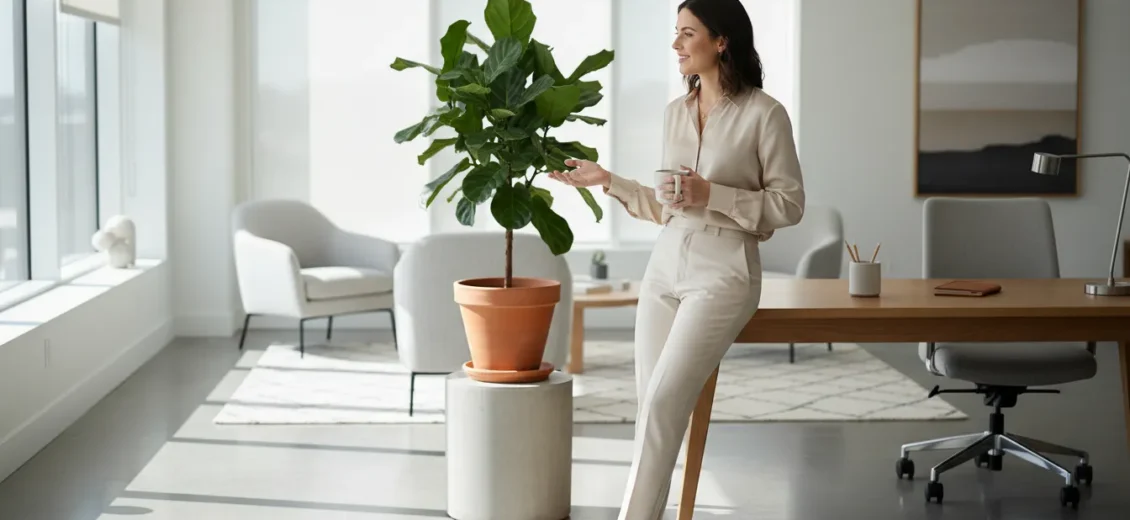
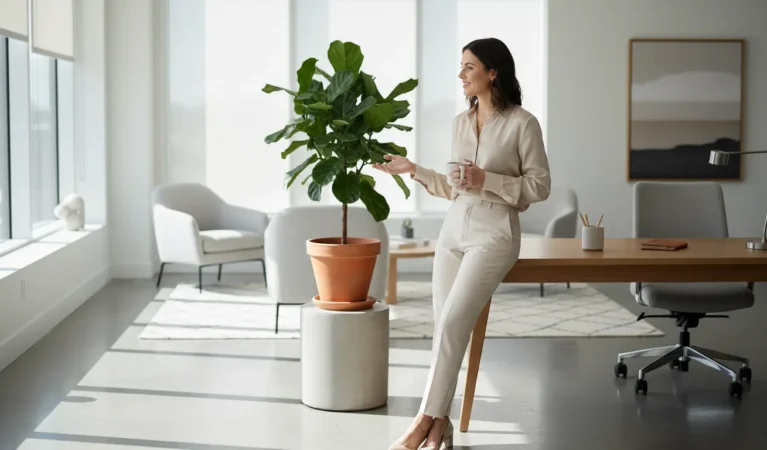
Table of Contents
- Introduction
- The Psychology of a Productive Workspace
- How to Decorate Your Corporate Office Space: A Step-by-Step Strategy
- The Advantage of Flexible Workspace Decoration
- Creating a Destination for Connection
- Practical Scenarios: Decoration in Action
- Essential Amenities to Complement Your Decor
- Final Touches: Maintaining Your Office Environment
- Conclusion
- FAQ
Introduction
Does your current office environment inspire your team to do their best work, or is it simply a collection of desks and chairs under fluorescent lights? For many leaders, the physical workspace is often viewed as a secondary concern—a box to check once the lease is signed. However, the way you choose to decorate your corporate office space is a direct reflection of your company culture and a critical component of what we call Member Success. A well-designed office does more than just look professional; it functions as a tool for retention, a magnet for talent, and a catalyst for high-quality member-to-member interactions.
The purpose of this post is to provide a roadmap for professionals, founders, and team leaders who want to create a workspace that balances aesthetic appeal with operational functionality. We will explore the psychology of workspace design, practical strategies for branding your environment, and how choosing a flexible workspace partner can simplify the logistical burden of office management. By the end of this guide, you will understand how to transform a standard office into a destination for innovation and growth.
At Workbox, we believe in “Workspace with a Purpose.” Our philosophy centers on the idea that success takes more than just a desk; it requires a holistic approach that combines high-quality space with community connectivity and a robust layer of resources. Whether you are moving into your first private suite or workspace membership or redesigning a corporate headquarters, the strategy remains the same: create an environment that removes friction and fosters connection.
The Psychology of a Productive Workspace
Before picking out paint colors or furniture, it is essential to understand how physical environments influence human behavior. Corporate office decoration is not just about fashion; it is about performance. A workspace that feels cluttered or sterile can lead to mental fatigue, whereas a space designed with intention can improve focus and morale.
Color Theory in the Office
The colors you choose for your office can subtly influence the energy of the room. While many corporate offices default to “off-white” or “beige,” these can often feel institutional and uninspiring. Instead, consider how different hues can support different types of work:
- Blue and Green: Often associated with focus and calmness, these colors are excellent for areas where deep work and concentration are required.
- Yellow and Orange: These energetic colors can stimulate creativity and are ideal for collaborative spaces or breakrooms.
- Neutral Tones with Accents: A sophisticated palette of grays and wood tones, punctuated by vibrant brand colors, can create a professional yet modern feel.
At Workbox, our spaces are designed with a balance of professional neutrals and warm, inviting elements. This allows our members to add their own personal touches without having to worry about clashing with a poorly designed base layer.
Lighting and Atmosphere
Lighting is perhaps the most underrated element of office decoration. Harsh overhead lighting can cause eye strain and headaches, while a well-lit space can improve mood and circadian rhythms. Whenever possible, maximize natural light. If your office layout limits access to windows, consider adding task lighting or lamps with warm-toned bulbs to create a more residential, “hospitality-forward” feel.
In our locations, we prioritize layouts that allow light to flow through common areas and into private offices. This openness supports a healthier work environment and makes the space feel larger and more inviting for both your team and visiting clients.
How to Decorate Your Corporate Office Space: A Step-by-Step Strategy
Decorating a corporate space requires a balance between your unique brand identity and the professional standards of a high-growth environment. Here is how to approach the process systematically.
1. Define the Function of Each Area
A common mistake in office decoration is treating every square foot the same way. In reality, a productive office needs to support a variety of “work modes.”
- Focus Zones: These should be kept relatively minimalist to avoid distractions. In a private office or suite, this might mean keeping desks clear and using simple, professional decor.
- Collaboration Hubs: These areas can be more expressive. Use comfortable seating, whiteboards, and more vibrant art to signal that these are places for brainstorming and conversation.
- Restorative Spaces: Every office needs a place for a mental reset. At Workbox, we provide wellness rooms and phone booths to ensure that members have access to a quieter environment in a private space when they need to step away from the communal hum.
2. Integrate Your Brand Identity
Your office should tell the story of who you are. For the nearly two-thirds of member companies that choose Workbox as their corporate headquarters, branding the space is a top priority.
One of the most effective ways to establish your presence is through logo placement. We include company logo placement on the office door at no additional cost, ensuring that your team and clients feel a sense of ownership and professional arrival from the moment they walk down the hall.
Inside your office, you can further reinforce your brand by:
- Using your brand’s color palette in accent pieces like pillows, rugs, or desk accessories.
- Displaying awards, industry publications, or products that showcase your team’s achievements.
- Hanging art that aligns with your company’s mission—whether that’s minimalist and tech-forward or classic and authoritative.
3. Prioritize Operational Support through Design
When you are figuring out how to decorate your corporate office space, don’t overlook the “unseen” elements that make an office functional. A beautiful office that lacks a printer or reliable internet is just a gallery.
This is where the benefit of a flexible workspace becomes clear. When you choose a private suite at Workbox, the “operational backbone” is already in place. We handle the fast, secure Wi-Fi and Ethernet, unlimited printing, and professional cleaning services. This means you don’t have to waste time or budget on the “boring” parts of office setup. Instead, you can focus your energy and resources on the decorative elements that actually drive culture and team happiness.
4. Incorporate Greenery and Biophilic Design
Bringing the outdoors in is a proven way to boost productivity and reduce stress. Adding plants to your corporate office space is a cost-effective way to add color, texture, and a sense of life to the environment.
Consider low-maintenance options like snake plants, pothos, or ZZ plants that thrive in indoor environments. Grouping plants in corners or placing them on shelving can soften the sharp lines of office furniture and make the suite feel more established.
The Advantage of Flexible Workspace Decoration
One of the biggest hurdles to decorating a traditional office is the massive upfront commitment. In a conventional model, you are often responsible for sourcing everything from the desks and chairs to the kitchen appliances and reception furniture. This can lead to a significant “capital drain” before your team has even moved in.
Bundled Value and Reduced Friction
At Workbox, we offer a bundled workplace environment that simplifies the transition. Our private offices and suites come furnished with desks and chairs, providing a high-quality foundation that you can then personalize. This model significantly lowers the upfront commitment compared to a traditional office, where you might face a 7-10 year lease and thousands of dollars in furniture and technology costs.
By choosing a flexible model, you gain:
- Lower Upfront Commitment: Typically a 1-month rent equivalent with a 2-month minimum lease, rather than the massive deposits required for traditional long-term leases.
- No Administrative Burden: You don’t have to coordinate internet installation, utility setup, or janitorial contracts. Our dedicated community managers handle the day-to-day operations, allowing you to focus on your business development.
- Professional Presence: You get the benefit of beautifully designed common areas, meeting rooms, and kitchens without having to build or decorate them yourself.
Scaling Your Space as You Grow
As your team grows, your decoration and space needs will change. In a traditional office, you might be stuck in a space that is either too big (wasting money) or too small (stifling growth). Workbox provides the flexibility to scale. Whether you start with a few desk memberships or a small private office (starting at $500/mo, varying by location), you can easily transition into a larger suite as your headcount increases. This “right-sizing” capability ensures that your office always feels “just right”—neither empty nor overcrowded.
Creating a Destination for Connection
Decoration is not just about the items inside your four walls; it’s about how your space connects to the broader professional ecosystem. A “Workspace with a Purpose” is one that facilitates high-quality member-to-member interactions and provides a platform for growth.
Leveraging Community Spaces
When you occupy a suite at Workbox, your “office” extends far beyond your private door. Our common areas are designed as social hubs where leaders, innovators, and investors converge.
- Weekly Community-Based Engagements: These are opportunities to step out of your decorated suite and connect with other founders and professionals.
- Quarterly Mixers: Larger-scale networking events that help build the “Member Connection” which is central to our philosophy.
- Business Development Layer: Members have access to purposeful programming and partnership events across the country. This provides professional connection opportunities that a standalone traditional office simply cannot offer.
By decorating your private office to reflect your brand while utilizing our expertly designed common areas, you create a holistic “headquarters” experience. You get the privacy you need for deep work and sensitive meetings, combined with the energy of a vibrant professional community.
Practical Scenarios: Decoration in Action
To better understand how these principles apply in the real world, let’s look at two common scenarios we see at Workbox.
Scenario A: The Scaling Tech Team
A small software team is transitioning out of a “work-from-home” phase and into their first professional suite. They need a space that feels like a “home base” but doesn’t require them to hire an office manager or interior designer.
- The Strategy: They choose a private suite at Workbox. Because the desks and chairs are already provided, they spend their modest “decor budget” on a high-quality rug in their brand’s primary color and a series of framed prints showcasing their software’s user interface.
- The Outcome: They get a professional-looking office in a single day. They benefit from 24/7 access to their home-base location, allowing them to work on their own schedule, while the “operational support” of Workbox handles the cleaning and coffee. Their logo is on the door, giving them instant credibility when meeting with potential investors.
Scenario B: The Consultant Building a National Presence
A senior consultant needs a professional place to meet clients and a home base for their administrative work. They travel frequently between cities and need a consistent experience.
- The Strategy: They utilize a desk membership for focused work but frequently book professional meeting rooms (starting at $60/hr) for client presentations. They decorate their “virtual” presence by using the Workbox mailing and packaging services, ensuring they have a prestigious business address.
- The Outcome: When in their home city, they have a dedicated, familiar spot. When traveling, they use their membership to access other Workbox locations nationwide during staffed hours (8:30 am – 5:00 pm). Their “decoration” is their professional presence—high-quality meeting spaces and a powerful network of other innovators.
Essential Amenities to Complement Your Decor
A well-decorated office is only as good as the amenities that support it. At Workbox, we ensure that every member has access to the essentials that keep a business running smoothly. When you aren’t worrying about these items, you can spend more time on your team’s culture and environment.
- Complimentary Coffee & Tea: A central feature of our community kitchens, providing a natural gathering spot for members.
- Filtered Water: Essential for staying hydrated and focused throughout the day.
- Draft & Bottled Beer: Available at select locations for those afternoon brainstorms or after-hours wind-downs.
- Mailing & Packaging Services: Available to members (Floating Membership or higher), providing a professional way to handle correspondence and logistics.
- Bike Storage: Available at select locations for those who prefer an active commute.
By integrating these amenities into your daily routine, you reinforce the member benefits and included amenities that make a flexible workspace so valuable. You aren’t just decorating a room; you are joining a platform built for success.
Final Touches: Maintaining Your Office Environment
Once you have successfully decorated your corporate office space, the next challenge is maintaining it. A cluttered or messy office quickly loses its professional appeal.
One of the greatest advantages of the Workbox model is our professional cleaning services. In a traditional office, you would be responsible for hiring and managing a janitorial crew, which can be both expensive and a significant administrative headache. At Workbox, we ensure that the common areas, restrooms, and your private suite are kept to a high standard of cleanliness.
This allows you to focus on the “fine-tuning” of your space:
- Regular De-cluttering: Encourage your team to keep desks organized to maintain the aesthetic of the room.
- Updating Art: Don’t be afraid to rotate your art or brand displays as your company evolves.
- Soliciting Feedback: Ask your team what they think of the space. Do they need more plants? Is the lighting working for them? A space that evolves with its occupants is a space that supports long-term success.
Conclusion
Learning how to decorate your corporate office space is an investment in your company’s most valuable asset: its people. By moving beyond the generic and embracing a design strategy that prioritizes focus, branding, and community, you create an environment where your team can truly thrive.
The traditional office model—with its high upfront costs, long-term leases, and heavy administrative burdens—is increasingly being replaced by more agile, “Member Success”-focused alternatives. Workbox offers the perfect middle ground: the privacy and branding opportunities of a traditional office, with the flexibility and “operational backbone” of a modern coworking platform.
When you join Workbox, you aren’t just renting a room. You are gaining access to a destination for leaders and innovators, supported by a dedicated community manager and a powerful network of resources. From our weekly engagements to our business development resources, every aspect of our platform is designed to help you grow.
Ready to find your next headquarters? Explore our diverse range of private offices and suites, and discover how our “Workspace with a Purpose” can support your journey. Whether you are looking for a desk membership to get started or a full corporate suite for your growing team, we have the space and the community to help you succeed.
Visit our locations page today to book a tour and see the Workbox difference for yourself.
FAQ
How can I make my corporate office space feel more like my brand?
The most effective way to brand your space at Workbox is through our complimentary logo placement on your office door. Inside your suite, you can use your brand’s color palette for furniture accents, hang mission-aligned artwork, and display your products or awards to create a sense of identity and professional arrival.
What are the benefits of decorating a flexible office versus a traditional one?
Decorating a flexible office like those at Workbox is much simpler because the “operational backbone” is already provided. We supply the desks and chairs, high-speed internet, and professional cleaning. This reduces your upfront capital commitment and allows you to focus your budget on personalizing the space rather than buying basic infrastructure.
Does Workbox provide help with the logistical side of setting up an office?
Yes. Our “Operational Support” includes a seamless backbone that manages your internet, utilities, cleaning, and printing. Our dedicated community managers are on-site during staffed hours (8:30 am – 5:00 pm) to ensure everything runs smoothly, reducing the administrative burden on your team.
Can I access my decorated office at any time?
Members with Private Offices, Suites, Desk Memberships, or Floating Memberships have 24/7 access to their home-base location. This allows you and your team to work whenever inspiration strikes. For other Workbox locations nationwide, members have access during staffed hours from 8:30 am to 5:00 pm, Monday through Friday.